Geopolitical Flashpoint: Trump Threatens Iran and Houthis Following US Site Strikes in Kuwait
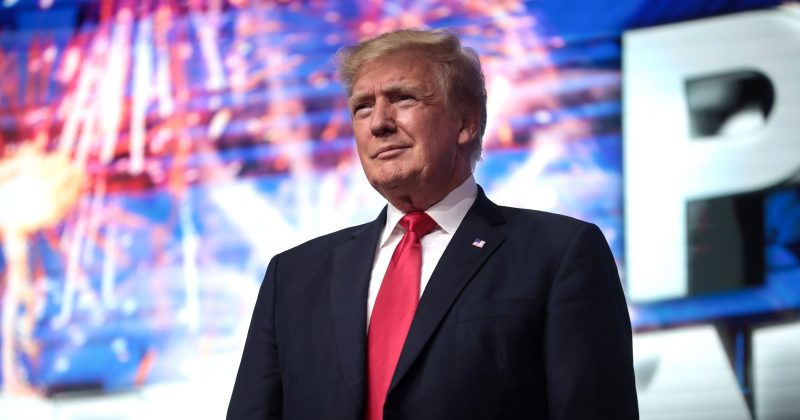
The global geopolitical landscape has reached a boiling point as Donald Trump issues direct threats against Iran and the Houthis following strikes on US-affiliated sites in Kuwait. This aggressive stance marks a significant escalation in Middle East tensions, potentially triggering widespread market volatility and reshaping US foreign policy dynamics.
Amidst the military posturing, emerging data suggests a complex diplomatic backdrop, with US-Iran deal terms regarding reconstruction funding for 2026 currently sitting at a 29% approval rate. The intersection of immediate military threats and long-term reconstruction negotiations creates a high-stakes environment for global stability and economic forecasting.
Donald Trump has issued stern threats against Iran and the Houthi rebels following recent strikes on US sites in Kuwait. This escalation heightens fears of a broader regional conflict. In a parallel development, reports indicate that the terms for a potential US-Iran deal concerning reconstruction funding in 2026 have reached a 29% 'yes' threshold, highlighting the delicate balance between military confrontation and future diplomatic reconstruction.
This is a summarized and adapted version by Artificial Intelligence. To read the complete original story, visit the official source.
Read Full Article at Crypto BriefingSupport Jornal Bitcoin
Independent journalism, curated by AI, no clickbait. Keep the flame alive with any amount of BTC.
jonata@walletofsatoshi.comDaily Crypto Brief 📬
Subscribe to receive the curation of the most important Bitcoin and crypto news, summarized by AI. No spam.
Join more than 10,000 smart readers.
Related News

Gulf Escalation: Bahrain and Kuwait Launch Unprecedented Direct Strikes on Iran
Beyond the immediate military conflict, these strikes carry serious implications for oil markets and global economic volatility. As energy supplies face potential disruption, the ripple effects are expected to hit crypto markets and traditional finance alike, forcing a reassessment of risk management in an increasingly unstable world.

Bitcoin ETF Inflows Snap: $225M Exit as Iran-US Tensions Shake Crypto Markets
Despite the immediate sell-off led by BlackRock's IBIT, the broader market context remains cautiously optimistic, as the week managed to close in the green. This volatility highlights the sensitive correlation between crypto assets and global political stability, as institutional players recalibrate their positions in response to Middle East tensions.
War Escalation: Ukrainian Drones Strike Moscow as Russia Bombs Kyiv Defense Exhibition
As the battlefield evolves, market analysts are monitoring long-term geopolitical shifts, including a marginal 9.5% probability of Ukraine recapturing Crimea by late 2026. These military developments continue to create volatility that could impact global markets and the broader macroeconomic landscape.

Victory or Half-Measure? White House Urges Dems to Accept Trump's Crypto Limits
Despite this progress, a rift is forming as many Democrats argue that the current restrictions under the Clarity Act fall short of true accountability. As the battle over crypto regulation intensifies, the outcome will heavily influence how digital assets are governed and how executive transparency is maintained in the U.S.
Mass Return: Residents Reclaim Zawtar al-Gharbiyeh Following Israeli Troop Withdrawal
With a 35% probability of a full withdrawal beyond the Litani River by December 31, analysts are closely monitoring the potential for further de-escalation or renewed tension. Such geopolitical shifts remain a primary driver of global risk sentiment and market volatility.
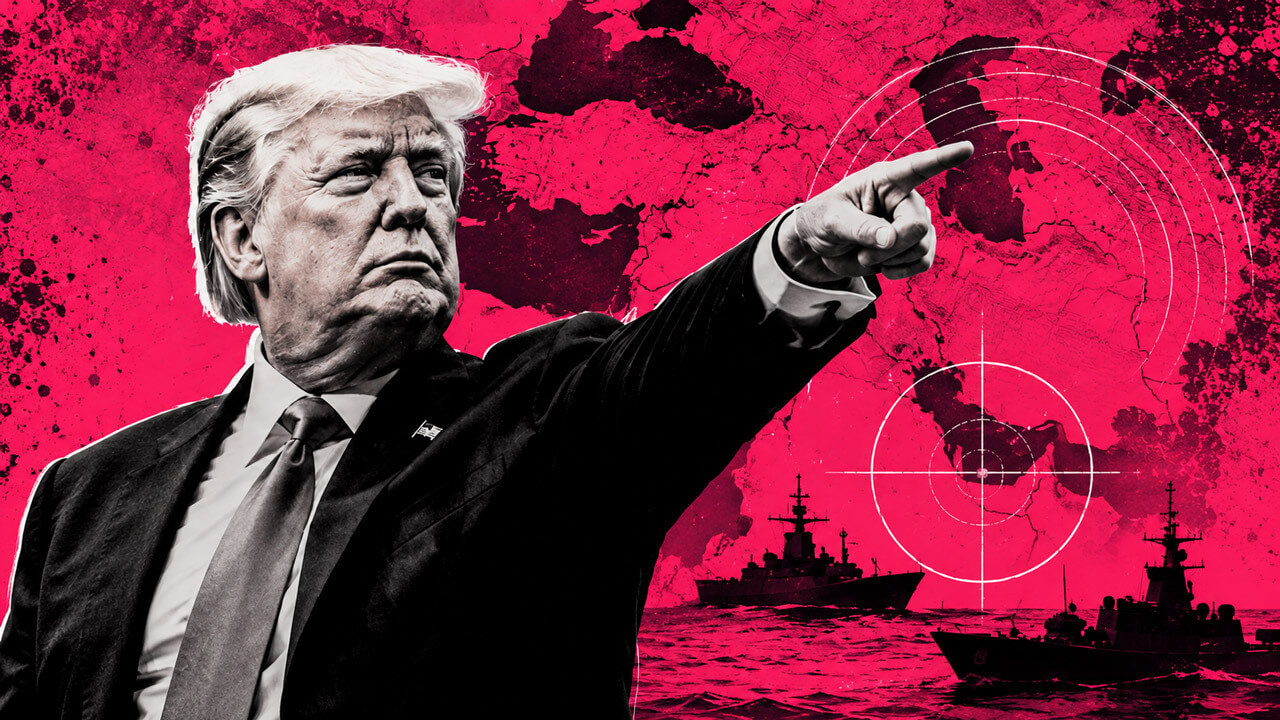
Bitcoin Plummets Below $65,000 as Oil Surges Over $100 Amid Trump-Iran Tensions
Geopolitical friction has reached a boiling point, with Trump threatening Iran following tanker attacks that pushed Brent crude above the $100 mark. As oil prices climb toward weekly gains of 10%, the resulting inflationary fears and risk aversion are driving significant downward pressure on Bitcoin and the broader digital asset landscape.
