Strategic Pivot: Trump Scraps Hormuz Toll Plan to Court Gulf Investment for U.S. Economy
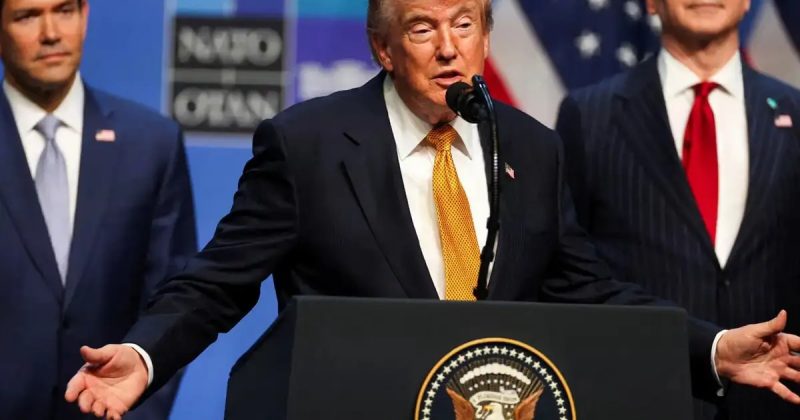
In a major strategic pivot, Donald Trump has dropped his proposal for a Hormuz toll, shifting his focus toward securing massive Gulf investments to bolster the U.S. economy. This move marks a departure from confrontational maritime policies toward a strategy centered on high-stakes financial diplomacy.
This policy shift is expected to enhance U.S.-Gulf economic ties, potentially reducing long-standing regional tensions. By prioritizing capital inflow over transit fees, Trump's approach could significantly influence global market dynamics and reshape the economic landscape of the Middle East and the West.
Donald Trump has signaled a major shift in policy by abandoning plans to implement a toll in the Strait of Hormuz. Instead of pursuing maritime levies, the former president is now looking to court significant investments from Gulf nations to fuel the U.S. economy.
This strategic realignment aims to strengthen economic ties between the United States and the Gulf region, potentially lowering regional tensions that have historically impacted global trade. Analysts suggest that this move could have far-reaching consequences for global market dynamics and international energy security.
This is a summarized and adapted version by Artificial Intelligence. To read the complete original story, visit the official source.
Read Full Article at Crypto BriefingSupport Jornal Bitcoin
Independent journalism, curated by AI, no clickbait. Keep the flame alive with any amount of BTC.
jonata@walletofsatoshi.comDaily Crypto Brief 📬
Subscribe to receive the curation of the most important Bitcoin and crypto news, summarized by AI. No spam.
Join more than 10,000 smart readers.
Related News
Volatility Alert: Slumping Services, Iran Escalation, and the Threat of US Tariffs
Beyond geopolitical instability, markets are closely monitoring the looming threat of a massive US tariff hike, which could directly impact the Brazilian economy and emerging markets. Navigating these market shifts is vital for protecting capital against imminent volatility and shifting global trade policies.
War Alert: Polymarket Odds for US-Iran Invasion Surge to 18.5% Amid Naval Blockade and Strikes
The escalation follows reports that the US military has reimposed a blockade on Iranian ports and conducted hours-long strikes against dozens of strategic targets. This aggressive military posture marks a significant shift in the regional landscape, heightening fears of a broader maritime and territorial conflict.
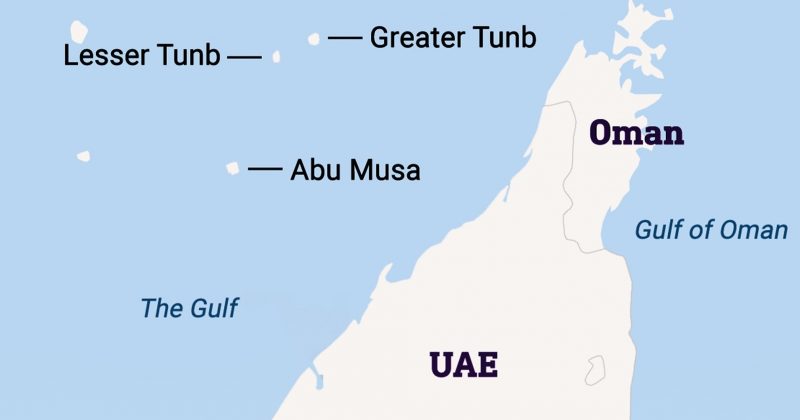
Geopolitical Shockwave: US Forces Strike Iranian Defenses, Threatening Global Energy Supply
The fallout from this strike could lead to a massive disruption in the global oil supply, sending shockwaves through energy markets. As geopolitical instability rises, the resulting volatility is expected to impact global economic stability and influence risk appetite across all financial sectors.
Geopolitical Flashpoint: Tehran Billboard Depicts Trump in Coffin Amid US-Iran Escalation
Such rising tensions could destabilize the entire region, creating a ripple effect that impacts global markets and investor confidence. As the potential for further conflict grows, the global economy faces increased uncertainty regarding regional safety and the stability of critical trade corridors.
Trump’s New Iran Strategy Leaked: Is Bitcoin Destined for Another Crash?
The restart of war in the Middle East introduces significant systemic risk to global markets. For Bitcoin holders, the intersection of Trump's foreign policy and Middle East instability represents a critical inflection point that could either drive a flight to safety or trigger a massive sell-off in risk assets.
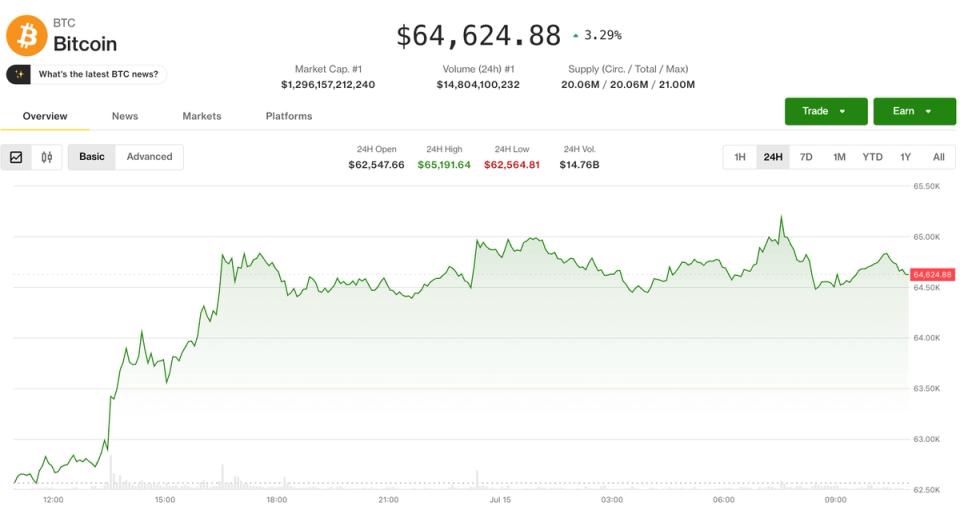
Crypto Standoff: Middle East Tensions Neutralize U.S. Inflation Boost
This geopolitical friction acts as a direct counterforce to the positive macroeconomic signals coming out of Washington. As investors weigh the impact of cooling inflation against the risks of Middle East instability, the immediate trajectory for Bitcoin remains highly sensitive to international developments.
