TRON Enters Deflationary Era as Token Burns Ignite New Value Flywheel
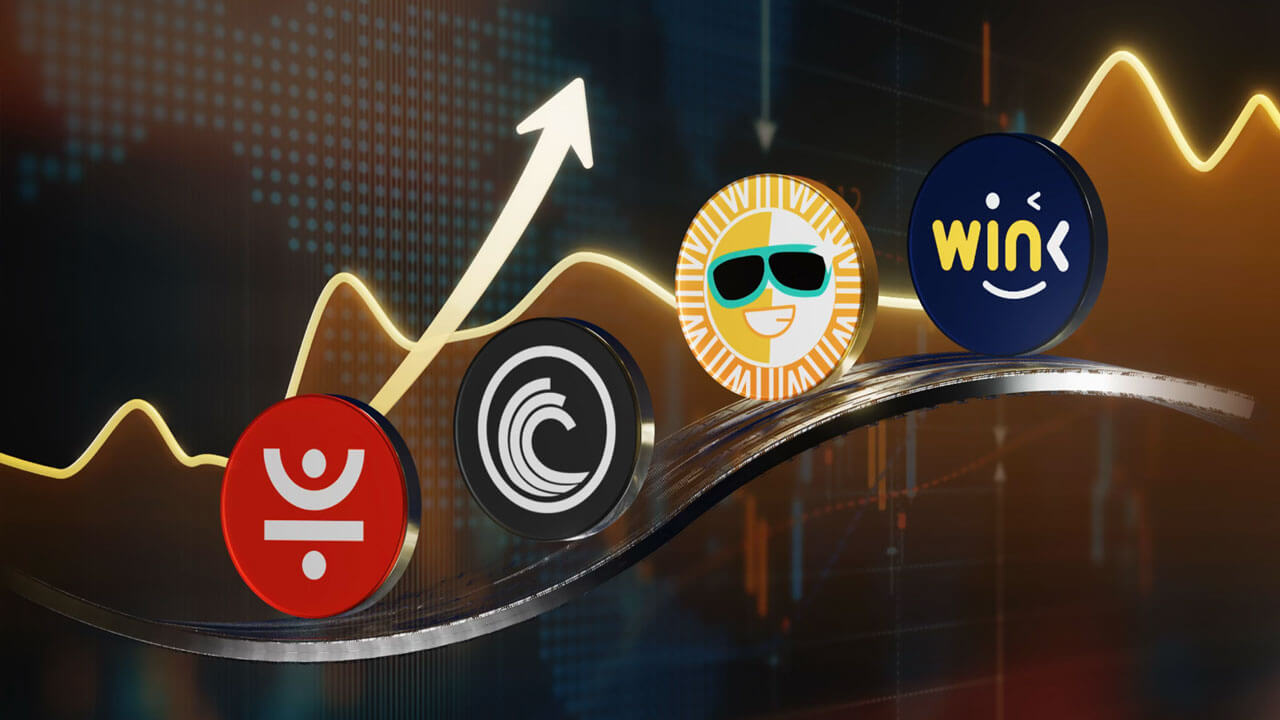
TRON has officially entered its deflationary era as successful implementation of buyback-and-burn programs for its flagship digital tokens now drives a new value cycle. With JST completing its fourth major token burn and SUN rolling out a comprehensive upgrade to its buyback mechanism, the network is now positioned to potentially redefine the TRON ecosystem through reduced supply and increased demand. This aggressive deflationary strategy involving BTT, WIN, JST, and SUN tokens creates a positive flywheel effect that could increase the intrinsic value of assets and attract more investors to the TRON ecosystem. By adopting a deflationary approach, TRON is sending a clear message to the broader crypto market that it's committed to sustainable value creation and reducing circulating supply, potentially driving up both demand and token prices across the network.
This is a summarized and adapted version by Artificial Intelligence. To read the complete original story, visit the official source.
Read Full Article at CryptoSlateSupport Jornal Bitcoin
Independent journalism, curated by AI, no clickbait. Keep the flame alive with any amount of BTC.
jonata@walletofsatoshi.comDaily Crypto Brief 📬
Subscribe to receive the curation of the most important Bitcoin and crypto news, summarized by AI. No spam.
Join more than 10,000 smart readers.
Related News
Shiba Inu (SHIB) Price Prediction: 52% Burn Rate Spike as Technical Pattern Signals Market Shift

Ethereum's Major Upgrade Slams Into 2026, Two-Week Panic to Save 2027 Roadmap
This delay presents a considerable challenge for the Ethereum ecosystem, affecting developer and investor planning. Token burning and external payment transparency are critical issues that could impact network value and governance. The community is working tirelessly to find solutions that keep Ethereum on track for its scalability and efficiency goals.
Tron Captures 52% of Global Low-Value USDT Transfers
This dominance in low-value transfers positions Tron as a viable alternative to traditional financial systems, particularly in regions with limited banking access. The ecosystem's continued growth, driven by USDT adoption as its flagship token, reflects a significant shift in the cryptocurrency landscape where practical utility and accessibility are outpacing pure speculation.

Solana's Fee Revolution: Heavy Transactions to Cost More as SOL Burn Accelerates
Led by Cavey, a researcher at Temporal, this initiative represents a direct response to criticisms that the current fee model doesn't adequately reflect resource consumption on the network. For investors and users, this change means a more efficient and sustainable ecosystem where "resource hogs" - those who excessively consume resources - will pay their fair share, while users with simple transactions will benefit from reduced costs. The measure could further strengthen SOL's intrinsic value by decreasing its circulating supply through gradual increases in the burn rate.
TronBid: The Game-Changing Marketplace for Renting TRON Energy - Save on Every Transaction!
This innovation directly impacts user experience, eliminating concerns about unpredictable transaction costs and optimizing resource utilization. TronBid democratizes access to TRON energy, allowing both small and large users to leverage ecosystem benefits without worries. With the increasing adoption of stablecoins like USDT on the TRON network, tools like TronBid become essential for blockchain sustainability and scalability.
Crypto valuations could double as protocols link revenue to tokens: Bitwise CIO
According to Hougan, the crypto market outside of Bitcoin is becoming revenue-driven, with network activity directly feeding into native token value. The Bitwise CIO believes investors have not yet priced in this transformative change, leaving many crypto assets undervalued. As DeFi applications and layer-1 networks adopt similar models over the next 12-24 months, the entire crypto valuation landscape could be reshaped, fundamentally changing how investors assess crypto project value.
