Tokenized TradFi Credit Keeps 68% of Buyers After One Year, While Crypto-Native Products Hemorrhage Interest
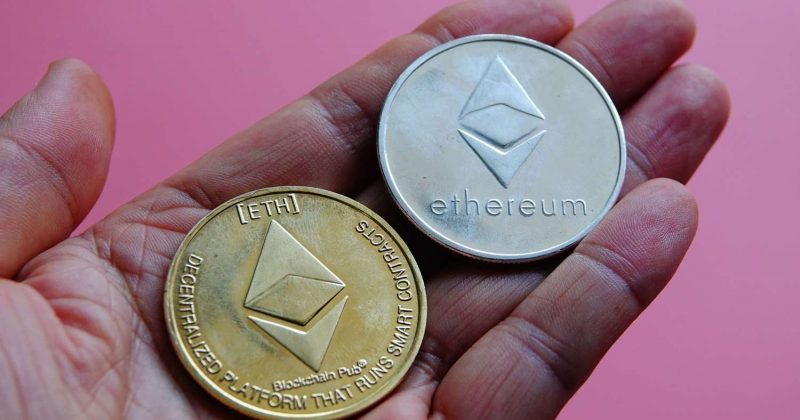
Data reveals that tokenized traditional finance (TradFi) credit products maintain an impressive 68% of their buyers after one year, highlighting remarkable stability in the crypto market. This retention rate starkly contrasts with crypto-native products, which struggle to maintain investor interest amid market volatility.
Tokenization of TradFi assets represents a crucial bridge between the traditional financial world and the crypto ecosystem, offering familiarity and security to market participants. While crypto-native products battle to retain capital, tokenized traditional credit emerges as a viable alternative, suggesting sector maturation and a potential shift in investor behavior toward more stable and regulated solutions.
This is a summarized and adapted version by Artificial Intelligence. To read the complete original story, visit the official source.
Read Full Article at Crypto BriefingSupport Jornal Bitcoin
Independent journalism, curated by AI, no clickbait. Keep the flame alive with any amount of BTC.
jonata@walletofsatoshi.comDaily Crypto Brief 📬
Subscribe to receive the curation of the most important Bitcoin and crypto news, summarized by AI. No spam.
Join more than 10,000 smart readers.
Related News

Trump-linked Bitcoin miner hits record production as losses narrow
American Bitcoin's results come as institutional interest in cryptocurrency mining continues to grow, with the involvement of high-profile Trump family members drawing significant attention to the sector. The combination of record production and reduced losses suggests the company is successfully optimizing its mining operations, though the competitive Bitcoin mining landscape continues to present substantial challenges for all industry participants.

Women Brazilian Hackers Create Revolutionary Bitcoin Solutions for Real-World Problems

Bernstein Warns: CLARITY Act Failure Could Speed Up SEC, CFTC Rulemaking

AI Agents Can Bypass Robinhood's Stock Token Restrictions, Report Reveals
This finding, highlighted by Coinfello, raises critical questions about the effectiveness of geographical barriers in permissionless blockchain environments. While Robinhood Chain launched on July 1 with much hype, its inability to effectively restrict access through AI exposes the challenges of balancing financial innovation with regulation. The development could lead to increased regulatory scrutiny and question the viability of stock tokenization solutions in controlled environments.

CEO Spends $10,000 on AI Tokens Hunting Bitcoin Vulnerabilities: The New Crypto Threat Landscape
The search for flaws using AI representation represents a fundamental shift in crypto security, challenging traditional defenses and reshaping financial incentives. As hackers explore Bitcoin vulnerabilities, developers and companies are adopting AI technologies to anticipate threats, creating an emerging market for security tokens and proactive defense solutions in the crypto space.

South Korean Giant Bithumb Exchange Sets Sights on 2028 IPO After Accounting Overhaul
This strategic move positions Bithumb to compete on a global scale and could accelerate institutional adoption of cryptocurrencies in the Asian market. The shift to international accounting standards will enhance financial transparency, a critical factor for attracting institutional investors and strengthening confidence in South Korea's burgeoning crypto ecosystem.
