Texas Grandmother Loses $100,000 in Brutal Bank Scam Leading to Couple's Arrest

A Texas grandmother has been defrauded of $100,000 in a sophisticated bank scam involving impersonation of both financial and law enforcement officials. Scammers manipulated the victim into handing over large sums of cash, leading to a high-stakes investigation and the eventual arrest of a couple involved in the scheme.
This incident underscores the rising threat of social engineering and impersonation fraud targeting vulnerable populations. As authorities crack down on these criminal networks, the case highlights the critical importance of verifying identities and maintaining strict financial security protocols to prevent devastating losses.
A grandmother in Texas lost $100,000 after scammers impersonating bank and police officials directed her to hand over cash in person. The elaborate scam, which relied heavily on psychological manipulation, has led to the arrest of a couple linked to the fraudulent activity. This case serves as a stark reminder of the evolving tactics used in impersonation scams and the urgent need for heightened awareness regarding financial security.
This is a summarized and adapted version by Artificial Intelligence. To read the complete original story, visit the official source.
Read Full Article at The Daily HodlSupport Jornal Bitcoin
Independent journalism, curated by AI, no clickbait. Keep the flame alive with any amount of BTC.
jonata@walletofsatoshi.comDaily Crypto Brief 📬
Subscribe to receive the curation of the most important Bitcoin and crypto news, summarized by AI. No spam.
Join more than 10,000 smart readers.
Related News

Impersonation Scam: Gang Convicted After Stealing £4 Million in Crypto Assets in the UK
The impact of this crime is massive, with the stolen funds being used to finance lavish lifestyles. This case underscores the urgent need for heightened security awareness among crypto holders and serves as a stark reminder of how criminals leverage authority impersonation to exploit the cryptocurrency market.

Social Engineering Alert: 86-Year-Old Woman Loses $11,500 to Fake Wells Fargo Employee
This incident serves as a stark warning regarding the rising sophistication of phishing scams and fake security alerts. As cybercriminals increasingly use psychological pressure to bypass traditional security, understanding these digital fraud tactics is essential to protecting personal assets and preventing similar banking scams in the future.

Enterprise AI Breakthrough: NEAR AI Integrates Private Inference into Corbits Platform
This development is a game-changer for the widespread adoption of confidential computing in the corporate sector. By addressing critical privacy concerns, NEAR AI is building the necessary trust for enterprises to integrate decentralized AI solutions into their core operations without compromising data integrity.

US Senate Unanimously Declares Sam Bankman-Fried Should Never Receive a Presidential Pardon
While the resolution lacks binding legal authority, its unanimous nature carries significant political weight and sets a clear precedent for the crypto industry. By targeting the possibility of executive clemency, the Senate is reinforcing the necessity of accountability and ensuring that the fallout from the FTX scandal remains a cornerstone of discussions regarding regulation and justice in the digital asset space.
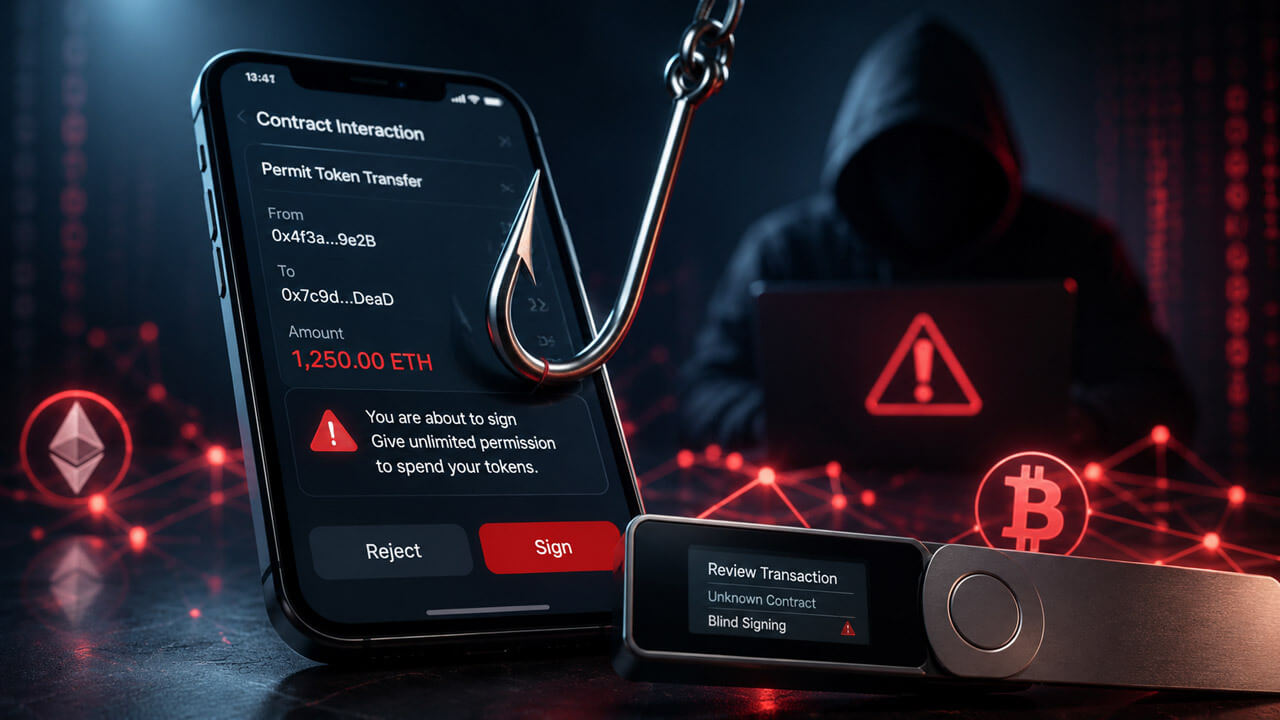
Is an Old iPhone Safer Than a Hardware Wallet? ZachXBT’s Controversial Take Splits Crypto Community
This controversial stance challenges the long-held industry belief that hardware wallets are the ultimate shield for digital assets. By shifting the focus from the physical device to the consequences of a signature, ZachXBT highlights a critical gap in how the crypto community perceives security and smart contract permissions.

Gaming Malware Scam: South Florida Man Charged with Draining $220,000 in Crypto
The FBI's involvement underscores the severity of this conspiracy to obtain information by computer for private financial gain. This incident highlights the growing intersection between gaming vulnerabilities and crypto theft, serving as a stark warning about the risks of malware and the importance of securing digital assets within online gaming environments.
