Tether's USDT Under Siege: The 2-Year Countdown Threatening U.S. Dominance
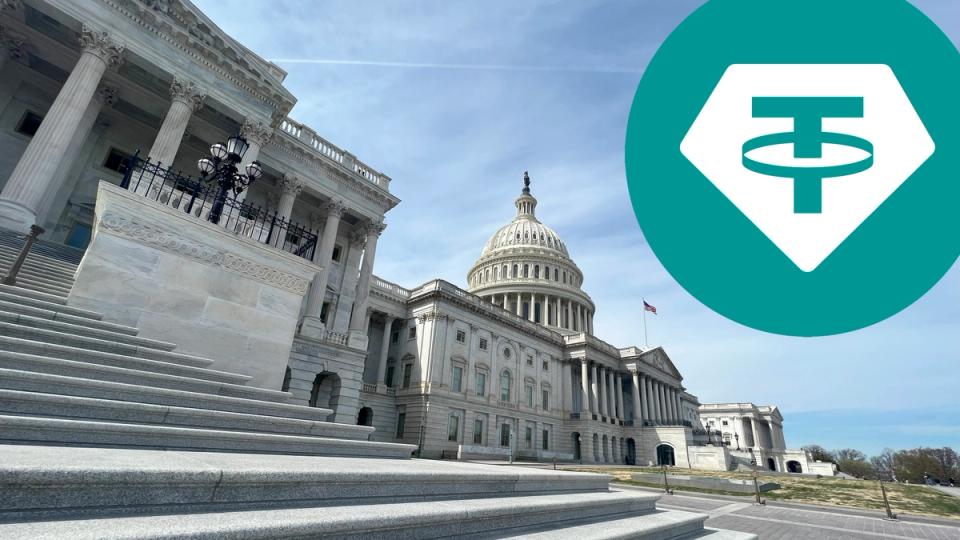
Tether's USDT is facing a high-stakes countdown as the GENIUS Act approaches critical milestones. Despite the legislation reaching its first anniversary, U.S. regulators have yet to meet the deadlines for drafting essential regulations, leaving the future of the world's largest stablecoin in a state of regulatory limbo.
As the industry prepares for full compliance by July 2028, the pressure is mounting on Tether to adapt to the evolving U.S. crypto landscape. The delay in rule-making creates a volatile window that could force a massive shift in liquidity across major American crypto platforms.
Tether's USDT has entered a two-year countdown that threatens its dominant position on U.S. crypto platforms. The GENIUS Act has reached its first anniversary without U.S. regulators meeting the mandated deadlines to draft specific regulations. While the rules are set to be in full effect by July 2028, the current regulatory vacuum poses a significant strategic challenge for Tether's operations within the United States.
This is a summarized and adapted version by Artificial Intelligence. To read the complete original story, visit the official source.
Read Full Article at CoinDeskSupport Jornal Bitcoin
Independent journalism, curated by AI, no clickbait. Keep the flame alive with any amount of BTC.
jonata@walletofsatoshi.comDaily Crypto Brief 📬
Subscribe to receive the curation of the most important Bitcoin and crypto news, summarized by AI. No spam.
Join more than 10,000 smart readers.
Related News

Commodity Surge: Soybeans and Corn Rally as US-Iran Tensions Drive Energy Costs Up
This surge highlights the critical link between geopolitical instability and commodity pricing. As crude oil approaches new all-time highs, the resulting spike in energy expenses is driving up production costs, signaling a period of heightened volatility for both agricultural and energy sectors.

Allbridge Core Halts Operations Following $1.65M Cross-Chain Bridge Exploit
Technical analysis suggests the attacker leveraged a flash loan and rapid swaps to manipulate stablecoin exchange rates. Once the funds were extracted from Solana, the perpetrator bridged the stolen assets to Ethereum and funneled them into privacy pools to obfuscate the trail.

War Alert: Polymarket Odds for US-Iran Invasion Surge to 29.5% Amid Strike Reports
With reports suggesting US forces have conducted strikes for nine consecutive nights and explosions being heard in multiple Iranian cities, the risk of a full-scale conflict is mounting. This volatility in geopolitical forecasting highlights how real-world military escalations immediately impact prediction markets and global sentiment.
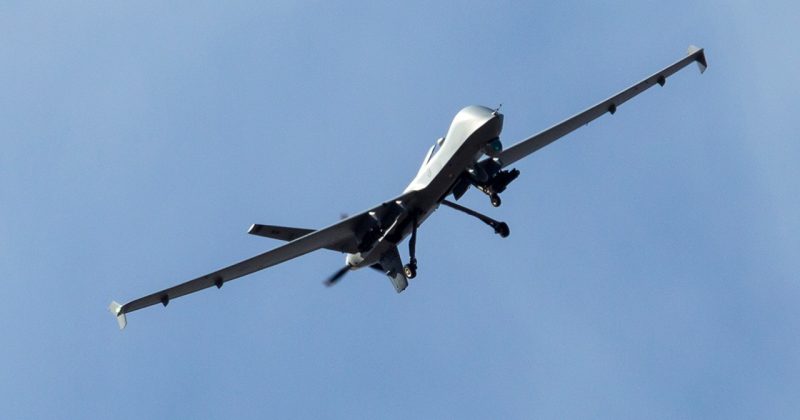
Geopolitical Flashpoint: Iran Downs US MQ-9 Reaper Drone in Kermanshah
As the situation evolves, data suggests a significant escalation in airspace restrictions, with projections showing a 33.5% closure by July 31 and a surge to 50.5% by August 31. This looming airspace lockdown could disrupt global logistics and intensify the uncertainty currently surrounding international security and digital asset stability.

Geopolitical Escalation: Iran Strikes US Aircraft in Jordan Using Ballistic Missiles
Such high-stakes military maneuvers inevitably trigger massive volatility across global markets, including the crypto sector. As the world watches for a US response, the intersection of geopolitical warfare and market stability remains a primary concern for institutional investors and retail traders alike.
Geopolitical Crisis: US Soldier Killed in Iraq Triggers Trump's New Strikes on Iran
This military surge heightens global market uncertainty and fuels speculation regarding long-term regional stability. Market analysts are closely watching the 30.5% probability of a full-scale U.S. invasion of Iran before 2027, a factor that could trigger massive volatility across crypto and traditional finance sectors.
