CoinDesk

Tether Posts $1.5B Q2 Profit as Reserves Plummet by Half

July 31, 202603:24 PM
Tether Posts $1.5B Q2 Profit as Reserves Plummet by Half

Tether, the world's largest stablecoin issuer, reported a staggering $1.5 billion operating profit in Q2, even as its reserve buffer fell by half. The company added 14 metric tons of gold and approximately 1,800 bitcoin to its reserves during the quarter, showcasing a diversified reserve strategy amid market turbulence. This development comes at a critical time for the cryptocurrency market, where stablecoin transparency faces intense scrutiny. Tether's robust profit contrasts sharply with its shrinking reserve, raising questions about the long-term sustainability of the stablecoin model. The strategic moves into gold and bitcoin may signal preparation for future volatility or an attempt to bolster investor confidence amid increasing regulatory pressures.

This is a summarized and adapted version by Artificial Intelligence. To read the complete original story, visit the official source.

Read Full Article at CoinDesk
QR Code Lightning

Support Jornal Bitcoin

Independent journalism, curated by AI, no clickbait. Keep the flame alive with any amount of BTC.

Wallet of Satoshi
jonata@walletofsatoshi.com

Daily Crypto Brief 📬

Subscribe to receive the curation of the most important Bitcoin and crypto news, summarized by AI. No spam.

Join more than 10,000 smart readers.

Related News
Tesla-SpaceX Merger Could Be a Disaster for Shareholders, Warns Analyst
Crypto Briefing

Tesla-SpaceX Merger Could Be a Disaster for Shareholders, Warns Analyst

A prominent analyst has identified significant risks in a potential Tesla-SpaceX merger, warning that such a deal could dilute shareholder value, face substantial regulatory hurdles, and redirect Tesla's capital to fund SpaceX's ambitious space exploration projects. The columnist's analysis suggests that combining these two high-profile companies could create unprecedented governance challenges, potentially undermining Tesla's core automotive business while diverting resources away from electric vehicle innovation in a market increasingly focused on sustainable technology and digital assets.
Bitcoin Magazine

Younger Democrats Back Clarity Act as Coinbase Policy Chief Insists Bill Should Pass

Coinbase's Chief Policy Officer Faryar Shirzad asserts that the Clarity Act will likely pass despite resistance from some older Democrats, highlighting crypto as 'maybe the most bipartisan issue in Washington.' During an appearance on The Hill's 'Rising' show, Shirzad emphasized the growing political support for cryptocurrency regulation, suggesting younger Democrats understand the importance of clear legal frameworks for digital assets.

Shirzad's comments come at a pivotal moment for cryptocurrency regulation in the United States, where legislative clarity has been elusive. The backing from younger Democrats signals a generational shift in digital asset perception, potentially reshaping the future landscape for Bitcoin and other cryptocurrencies in the American market. Passage of the Clarity Act could provide much-needed regulatory certainty and accelerate institutional adoption of crypto assets.
Pump.fun Fires Workers Before They Could Claim Millions in PUMP Tokens
CoinTelegraph★ Featured

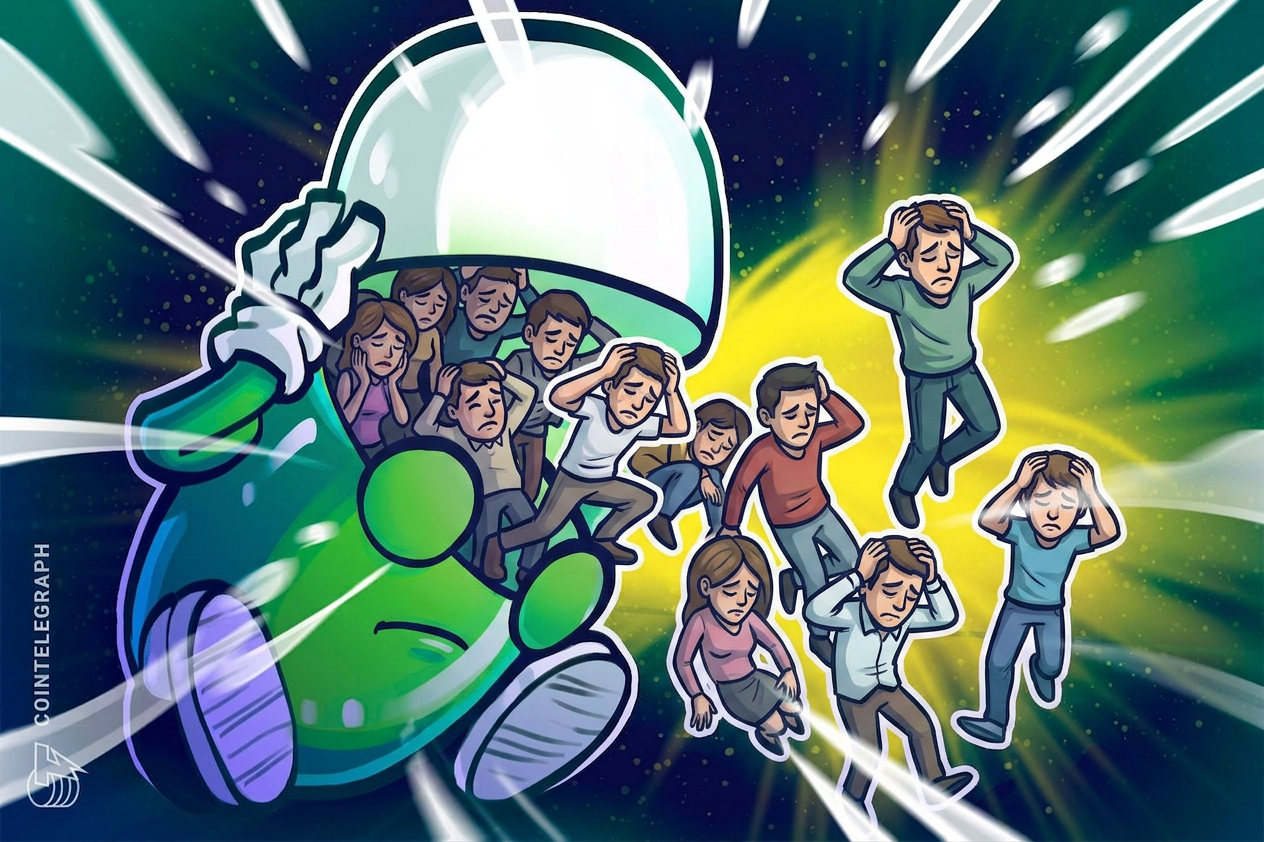
Pump.fun Fires Workers Before They Could Claim Millions in PUMP Tokens

Pump.fun, the Solana-based memecoin launchpad, reportedly fired employees two months before they were due to receive millions in PUMP tokens, according to a Sandmark report. Co-founder Noah Tweedale attributed the layoffs to the company growing 'too quickly,' leaving employees without the tokens promised in agreements signed for 2025. The situation raises questions about corporate governance and transparency in the crypto ecosystem, particularly in memecoin projects that have seen exponential growth. The laid-off employees, who were set to receive a quarter of their allocated tokens in June 2026, now face significant financial uncertainties as the cryptocurrency market remains volatile.
BitMEX Shuts Down After 11 Years: Regulatory Pressure and Competition Force Closure
Crypto Briefing

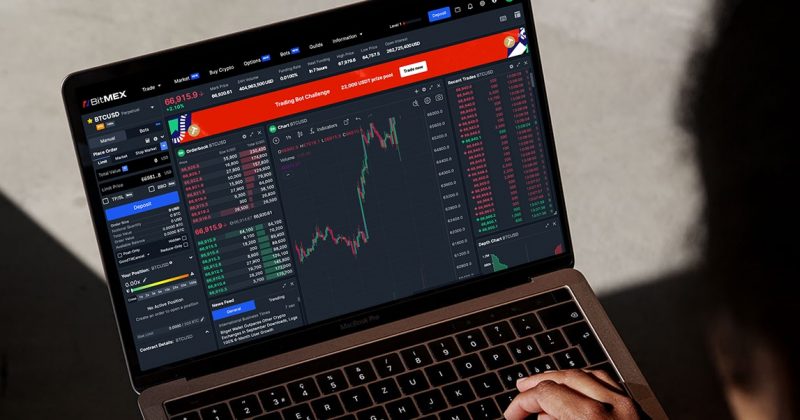
BitMEX Shuts Down After 11 Years: Regulatory Pressure and Competition Force Closure

Crypto derivatives giant BitMEX has announced its shutdown after 11 years of operation, marking a turning point in the exchange industry. The decision reflects the increasing regulatory scrutiny and intensifying competition that are reshaping the global cryptocurrency landscape, with significant implications for the crypto derivatives market.

BitMEX's closure serves as a warning to other cryptocurrency exchanges about the regulatory challenges they face. With the rise of global oversight and the entry of new players into the market, the crypto derivatives sector is undergoing significant transformation, potentially leading to consolidation and changes in business strategies across the crypto ecosystem.

Griffin's Citadel Snags AI Portfolio from Wounded Hedge Fund After Massive Losses
The Daily Hodl

Griffin's Citadel Snags AI Portfolio from Wounded Hedge Fund After Massive Losses

Billionaire Ken Griffin's Citadel has seized the artificial intelligence portfolio from struggling hedge fund Situational Awareness after the fund incurred substantial losses in AI investments. The deal came as Situational Awareness was forced to offload most of its public equity holdings to Citadel while retaining private stakes, particularly in Anthropic, amid a challenging market environment. This strategic acquisition occurs during a period of market turbulence in both cryptocurrency and AI stocks, where major financial players are capitalizing on the struggles of smaller funds. Griffin's move highlights how institutional investors are navigating the current market volatility, with AI investments continuing to attract billions in funding despite recent corrections, as the sector remains a focal point for long-term growth strategies in the evolving landscape of digital assets and technology.
Bitcoin Study: Strongest Liquidation Warnings Can't Predict Individual Crashes
CryptoSlate

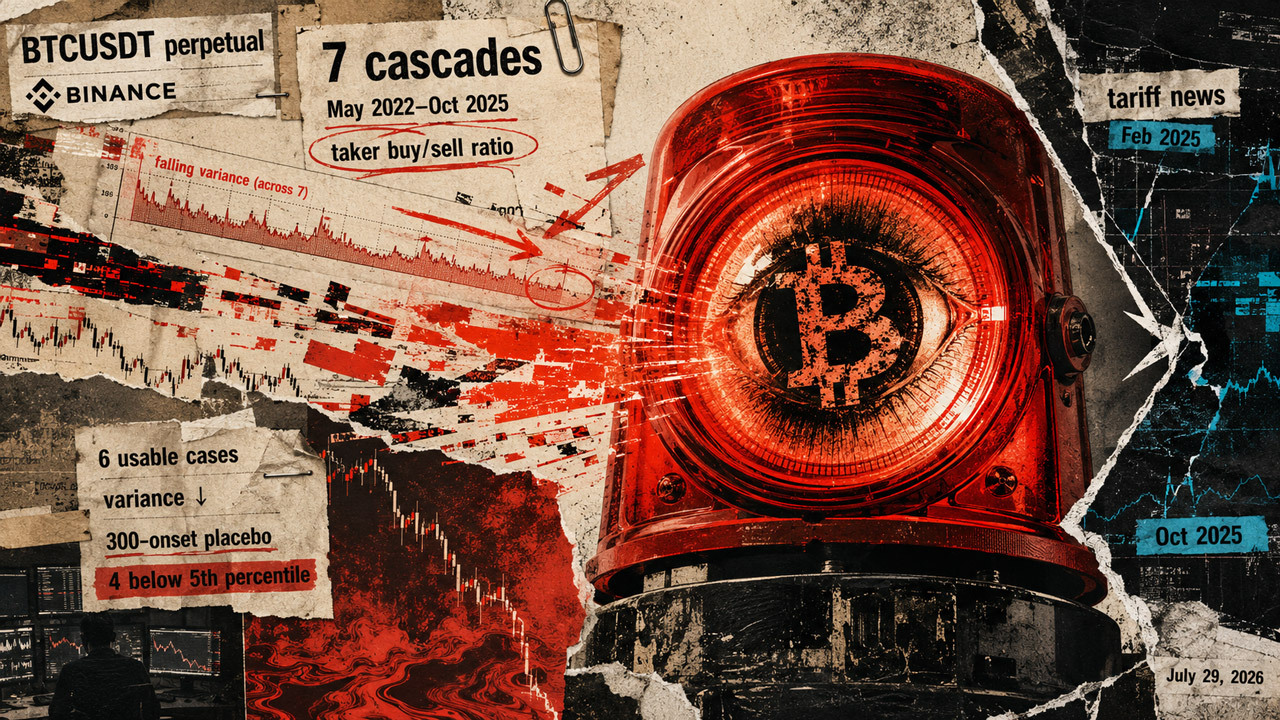
Bitcoin Study: Strongest Liquidation Warnings Can't Predict Individual Crashes

A groundbreaking Bitcoin study reveals that the strongest recurring liquidation warning signs, while consistent across multiple events, cannot predict individual market crashes with precision. The research identified an order-flow pattern that stood out across six distinct market events, but also noted that two of these observations overlapped with ordinary market conditions, limiting their reliability as standalone indicators.

This finding presents a significant challenge for traders and investors who rely solely on liquidation warning signals for decision-making. The study suggests that while these patterns may indicate general market instability, they should not be used in isolation to forecast specific crashes. Researchers emphasize the need for a more holistic approach, combining multiple indicators and fundamental analysis for a more accurate risk assessment in the cryptocurrency market.

Jornal Bitcoin Logo