Tether Doubles Down on LatAm with $20 Million Strategic Investment in Ualá
Tether is aggressively expanding its footprint in Latin America, injecting $20 million into the Argentine neobank Ualá. This strategic move was part of a massive $197 million funding round that recently valued the fintech giant at a staggering $3.2 billion.
While no immediate operational integration is planned due to the significant regulatory hurdles facing banking institutions in LatAm, the investment underscores Tether's long-term vision. By backing major regional players, Tether is positioning itself at the heart of the evolving digital payment landscape in emerging markets.
Ualá has noted that there will be no immediate operational integration following this investment, citing the complex regulatory hurdles involved in bringing digital assets to LatAm markets within a traditional banking framework. Nevertheless, Tether's involvement in the fintech's capital structure highlights the growing intersection between stablecoins and mainstream financial services in the region.
This is a summarized and adapted version by Artificial Intelligence. To read the complete original story, visit the official source.
Read Full Article at Bitcoin.comSupport Jornal Bitcoin
Independent journalism, curated by AI, no clickbait. Keep the flame alive with any amount of BTC.
jonata@walletofsatoshi.comDaily Crypto Brief 📬
Subscribe to receive the curation of the most important Bitcoin and crypto news, summarized by AI. No spam.
Join more than 10,000 smart readers.
Related News
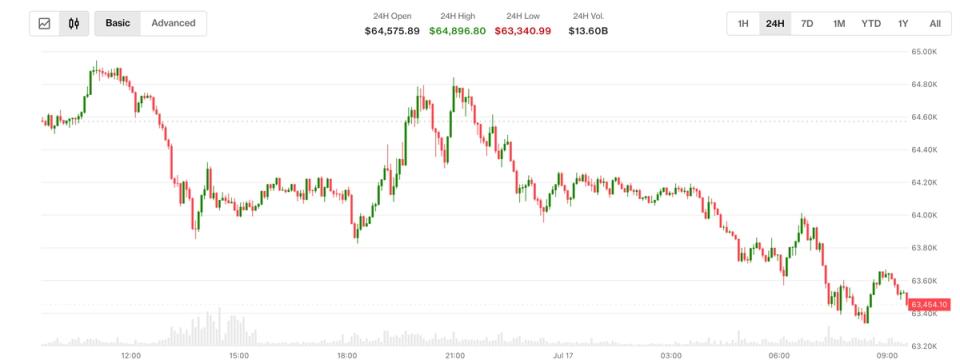
Bitcoin Drops Below $64,000 as U.S. Strikes on Iran and Trump's China Comments Fuel Panic
Adding to the volatility, recent comments from Donald Trump regarding China have stoked fears of renewed U.S.-China frictions. As investors brace for potential trade wars or diplomatic fallout, the uncertainty is driving a flight from volatile assets, leaving Bitcoin and other digital assets struggling to maintain support levels.
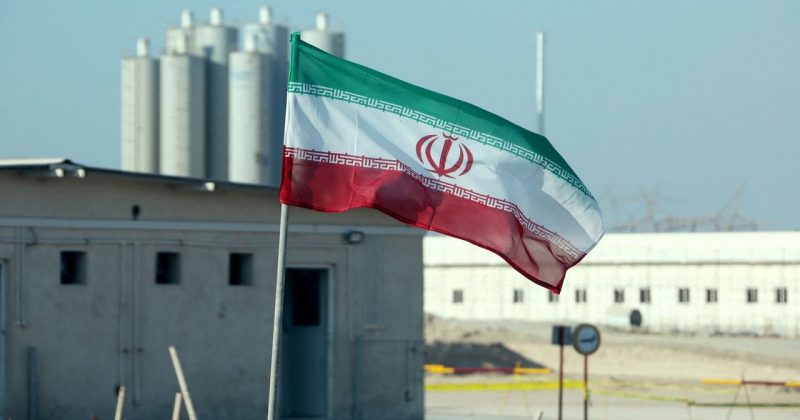
Iran's Power Crisis Puts $7.8B Crypto Ecosystem at Risk
As energy stability falters, the impact on the global Bitcoin mining landscape could be significant. This intersection of geopolitical conflict and energy scarcity highlights the growing vulnerability of digital asset infrastructure to state-level kinetic warfare and power grid instability.
Crash to $30K or Jump to $100K? 3 AIs Reveal Bitcoin's Likely Fate in 2026
This technological speculation underscores the intense volatility of the crypto market and the growing reliance on predictive algorithms. While the outcomes vary in magnitude, the unanimous consensus among the models provides a crucial signal for investors tracking the long-term trajectory of BTC and its market dominance.
LatAm Expansion: Circle and BIND Group Launch Institutional USDC Access in Argentina
This expansion marks a significant milestone in Circle's push across Latin America, specifically targeting the high demand for USDC within the Argentine market. The move is expected to provide businesses with much-needed stability and efficient cross-border settlement capabilities, positioning USDC as a primary tool for institutional treasury management in the region.
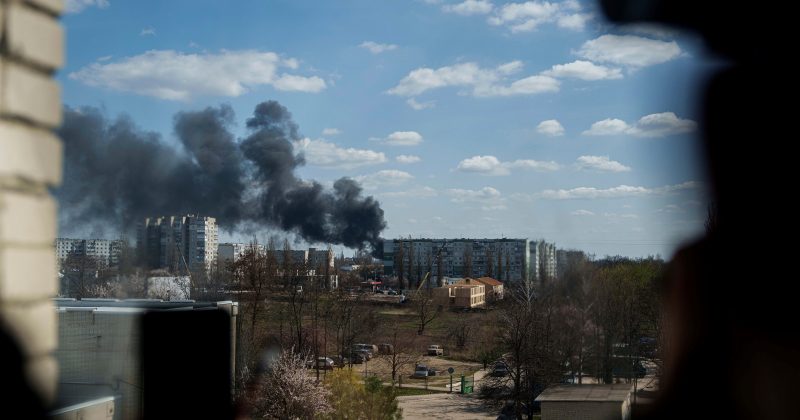
Russia Strikes Sumy with Guided Bombs, Targeting Civilian Infrastructure
As the conflict evolves, strategic forecasting remains volatile. Current data points to a niche 10.5% probability of Ukraine recapturing Crimea by December 31, 2026, a timeline that analysts suggest could fundamentally reshape the macro-economic landscape and the long-term stability of digital assets.

Bitcoin ETF Collapse: What Happens to Your Assets if a Sponsor or Custodian Fails?
As institutional adoption scales through giants like BlackRock's IBIT, the legal distinction between fund assets and corporate liabilities becomes paramount. Understanding these structural safeguards is essential for any investor navigating the intersection of traditional finance and the Bitcoin ecosystem to mitigate potential contagion risks.
