US Treasury Blacklists Tron and Litecoin Addresses Linked to Cuba
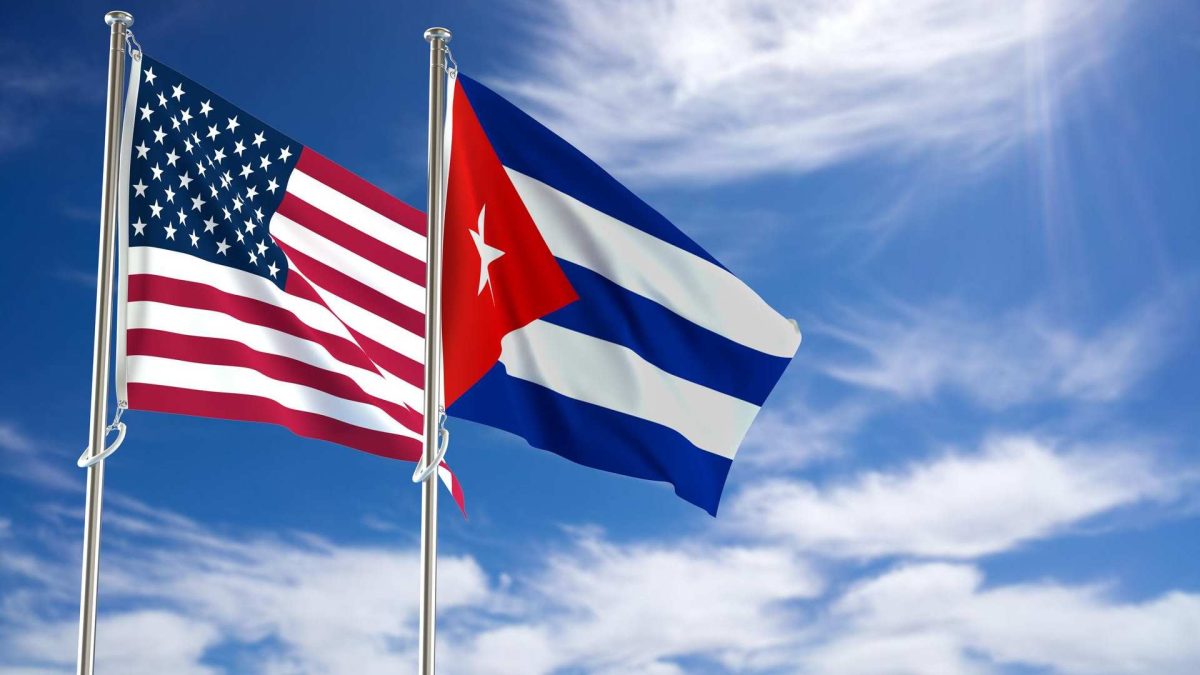
The US Department of the Treasury, via the OFAC, has escalated its crackdown on sanctioned regimes by blacklisting specific cryptocurrency addresses. This latest enforcement action targets Tron and Litecoin wallets identified as being linked to organizations affiliated with the Cuban government.
This move underscores the increasing scrutiny of decentralized networks by US authorities to prevent the circumvention of international sanctions. As regulators tighten their grip, the ability to move funds through major blockchain networks like Tron and Litecoin is facing unprecedented compliance hurdles.
The United States Department of the Treasury added new cryptocurrency addresses to its sanctions list this Monday (13), with the Office of Foreign Assets Control (OFAC) leading the government's crackdown against Cuba. These new official prohibitions target organizations tied to the socialist regime of the island of Cuba.
The agency listed thirteen new targets, specifically identifying addresses on the Tron and Litecoin networks. This action highlights Washington's growing capability to monitor and freeze digital assets used to bypass traditional financial restrictions.
This is a summarized and adapted version by Artificial Intelligence. To read the complete original story, visit the official source.
Read Full Article at LivecoinsSupport Jornal Bitcoin
Independent journalism, curated by AI, no clickbait. Keep the flame alive with any amount of BTC.
jonata@walletofsatoshi.comDaily Crypto Brief 📬
Subscribe to receive the curation of the most important Bitcoin and crypto news, summarized by AI. No spam.
Join more than 10,000 smart readers.
Related News

US Treasury Strikes: OFAC Escalates Sanctions Against Iranian Oil Kingpin Mohammad Hossein Shamkhani
By expanding these sanctions, the US aims to strain Iran's military funding and exert unprecedented pressure on its global oil trade. This escalation underscores the intensifying geopolitical battle to curb illicit financial networks and enforce strict international compliance within the global economy.

Crackdown Intensifies: China to Treat Crypto Mixers as Presumptive Evidence of Money Laundering
This strategic shift marks a major escalation in the state's efforts to monitor digital asset flows. By categorizing privacy-enhancing technologies as red flags for illicit activity, Chinese authorities are setting a precedent that could fundamentally reshape how blockchain privacy is viewed and regulated in the region.

AI Meets Blockchain: Next Acceleration Program Targets Next-Gen Fintech Innovations
This strategic move aims to foster a new wave of fintech disruption by empowering entrepreneurs with expert mentorship. By combining the predictive power of artificial intelligence with the immutable nature of blockchain, selected participants are poised to redefine the future of automated digital finance.

The Lamine Yamal Effect: How World Cup Hype is Shaking Crypto Betting Markets
This trend highlights the volatile intersection of elite sports and the blockchain ecosystem, where major event hype can dictate capital flows. For traders, understanding this correlation between athlete performance and market movement is essential for navigating narrative-driven speculation.

Beyond the Pitch: How Crypto is Quietly Dominating the World Cup Moment
The intersection of sports and digital assets is set to redefine fan engagement and revolutionize the ticketing industry. By leveraging crypto solutions, organizers are paving the way for more secure, transparent, and interactive experiences, signaling a new era of mainstream crypto utility.

Beyond Art: New NFT Skill Registry Proposal Turns ERC-721s Into Automation Powerhouses
By focusing on underlying infrastructure rather than mere token prices, this development highlights a significant shift in the blockchain landscape. The ability to register specific skills to an NFT enables a new era of programmable utility, where tokens act as autonomous agents within decentralized ecosystems.
