Geopolitical Explosion: US Strikes Iran Following Hormuz Attack as Israel Confirms Assassination Plot
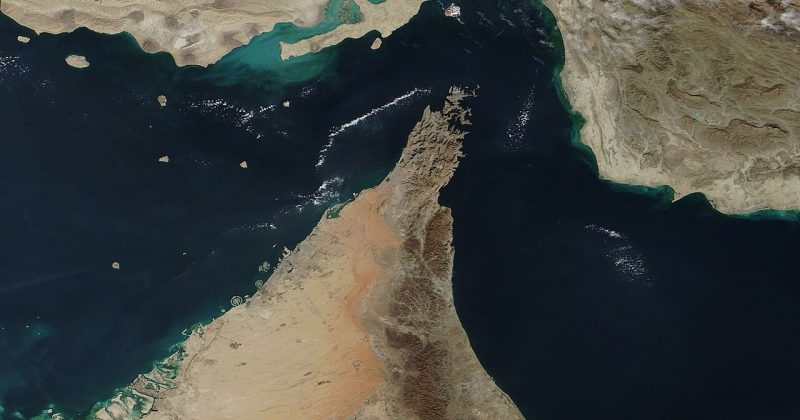
Global markets are bracing for impact as the US launches strikes against Iran following a critical attack in the Strait of Hormuz. This direct military escalation, coupled with Israel's confirmation of an assassination plot, signals a dangerous shift in Middle Eastern stability.
Beyond the immediate violence, intelligence leaks suggest a profound attempt to destabilize Iran's leadership and dismantle its regional alliances. Such high-stakes geopolitical tensions often trigger massive volatility in global markets, making this a critical moment for investors monitoring systemic risk.
The conflict is escalating at a rapid pace. Following an attack in the strategic Strait of Hormuz, the United States has conducted strikes against Iran, significantly raising the military temperature in the region. In a parallel development, Israel has confirmed an assassination plot, heightening the direct threat to Iranian leadership.
These intelligence leaks and the ongoing escalation of the conflict are driving geopolitical tensions to a breaking point, potentially destabilizing Iran's leadership and its existing regional alliances. The global community remains on edge as the potential for wider regional warfare looms.
This is a summarized and adapted version by Artificial Intelligence. To read the complete original story, visit the official source.
Read Full Article at Crypto BriefingSupport Jornal Bitcoin
Independent journalism, curated by AI, no clickbait. Keep the flame alive with any amount of BTC.
jonata@walletofsatoshi.comDaily Crypto Brief 📬
Subscribe to receive the curation of the most important Bitcoin and crypto news, summarized by AI. No spam.
Join more than 10,000 smart readers.
Related News
Polymarket Odds Surge: 79.5% Chance of July Fed Hold as Investors Pivot to Risk-Off
The pivot toward a risk-off environment was triggered by geopolitical tensions and shifting expectations regarding Middle East stability. As equities slide and crude oil prices jump, the market is recalibrating its stance on liquidity and the Fed's upcoming monetary policy decisions.
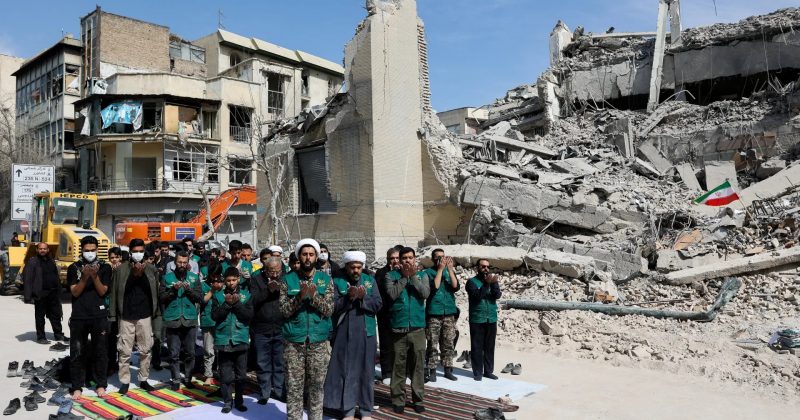
Middle East Crisis: Iran Strikes Qatar and UAE Amid Rising US-Israeli Tensions
Beyond the immediate military threat, these strikes complicate ongoing US-Iran diplomatic efforts and pose a significant risk to global economic stability. The potential for widespread disruption in energy markets could trigger massive volatility across both traditional commodities and the broader financial landscape.
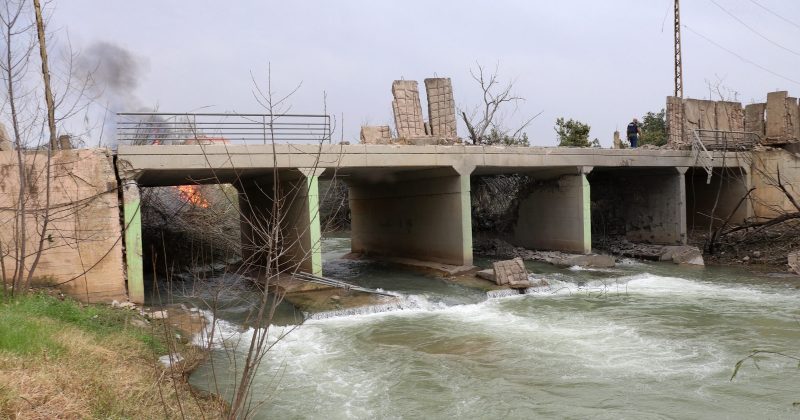
Middle East Escalation: IDF Crosses Litani River for First Time Since 2006
As the conflict intensifies, market perceptions are likely to react to the reduced likelihood of an imminent Israeli withdrawal. This prolonged tension introduces new layers of risk for global markets, as the potential for extended military engagement could trigger significant volatility across various asset classes.

Geopolitical Chaos: US Strikes on Iran Send Bitcoin Tumbling Toward $62K
The potential for a broader conflict threatens to destabilize global markets and trigger massive volatility across both the crypto and oil sectors. As uncertainty grows, the intersection of military aggression and financial markets highlights the heightened sensitivity of digital assets to sudden shifts in international security and energy stability.
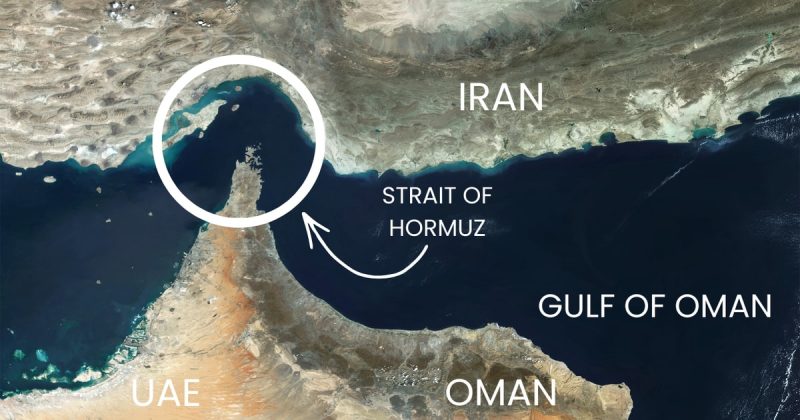
Geopolitical Alert: Iran Shuts Down Strait of Hormuz Amid Rising US Tensions
Potential consequences of this blockade include extreme volatility in risk assets, directly impacting global capital flows and liquidity. Investors are closely monitoring the conflict's progression, seeking hedges against supply shocks and severe macroeconomic instability caused by this geopolitical friction.
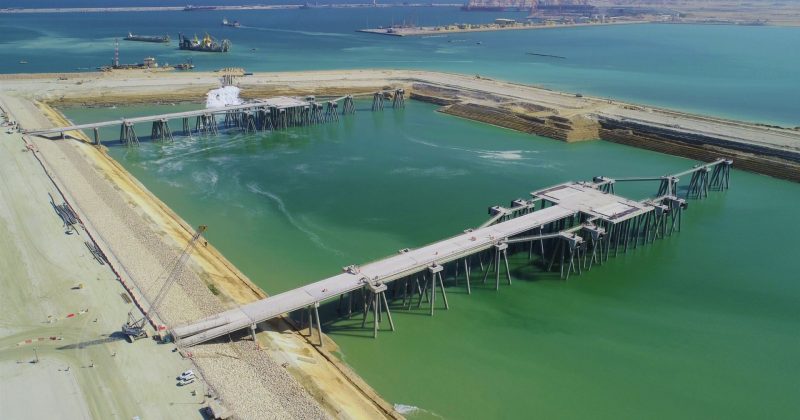
Geopolitical Shockwave: Iran Claims Destruction of US Infrastructure at Oman’s Duqm Port
The fallout from the Duqm port incident threatens to disrupt global shipping lanes and trigger widespread market instability. As military strategies shift in response to these developments, the ripple effects are expected to impact global trade flows and heighten volatility across international financial markets.
