South China Sea Escalation: Chinese Coast Guard Strikes Philippine Sailor

Tensions have reached a breaking point in the South China Sea after the Chinese coast guard struck a Philippine sailor during a maritime confrontation. This direct physical clash intensifies the geopolitical friction in the region, signaling a heightened risk of military engagement.
Predictive models currently assign an 11.5% probability to a full-scale military clash between China and the Philippines before 2027. Such geopolitical instability serves as a major catalyst for market volatility, potentially impacting global trade routes and investor sentiment across all asset classes.
This is a summarized and adapted version by Artificial Intelligence. To read the complete original story, visit the official source.
Read Full Article at Crypto BriefingSupport Jornal Bitcoin
Independent journalism, curated by AI, no clickbait. Keep the flame alive with any amount of BTC.
jonata@walletofsatoshi.comDaily Crypto Brief 📬
Subscribe to receive the curation of the most important Bitcoin and crypto news, summarized by AI. No spam.
Join more than 10,000 smart readers.
Related News
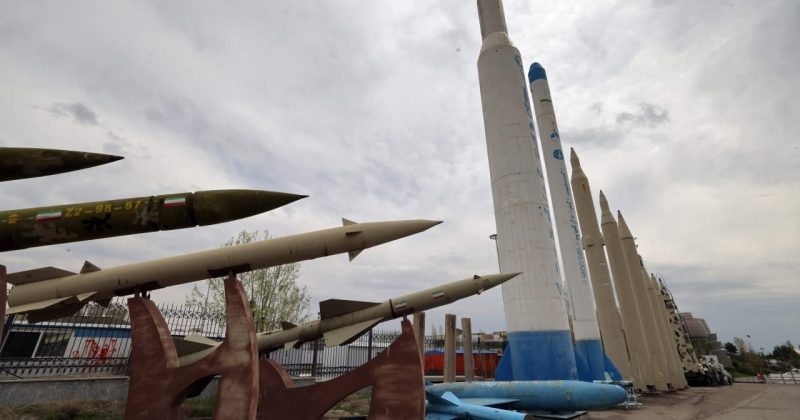
Geopolitical Flashpoint: Iran Strikes U.S. Positions with Missiles and Drones Amid Rising Conflict
With a full airspace closure projected by July 31, the logistical and economic ramifications could be profound. As uncertainty grows, the crypto market remains highly sensitive to such macro events, often seeing a flight to quality or increased volatility in response to sudden military escalations.
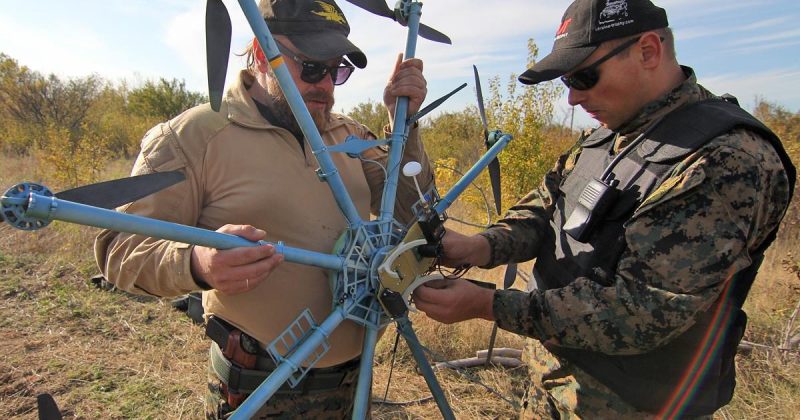
Drone Warfare Escalation: Russian Attacks Surge in Eastern Ukraine
As the conflict evolves, strategic projections suggest a high-stakes timeline, with an 18% probability of Russian forces entering Sloviansk by December 31, 2026. This escalation of drone warfare and sustained military pressure continues to reshape the geopolitical landscape and the long-term outlook for regional stability.
South African Rand Surges as Dropping Oil Prices Fuel US-Iran Mediation Hopes
As diplomatic hopes influence global trade dynamics, the downward pressure on oil prices is reshaping investor sentiment toward risk assets. The market is closely watching whether this mediation can stabilize energy costs, potentially providing a long-term tailwind for the Rand and broader global economic stability.
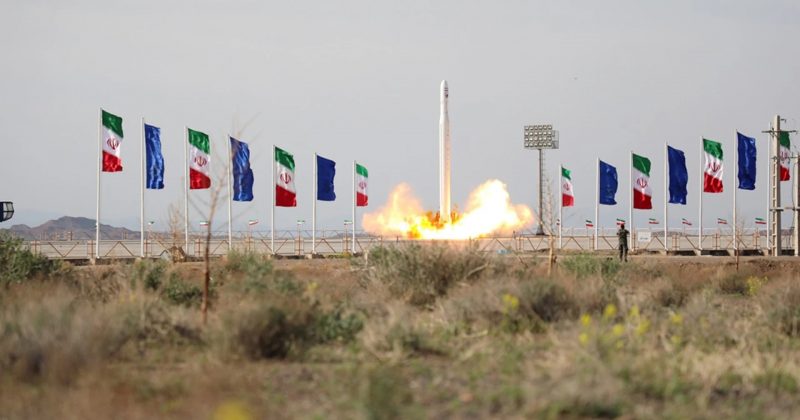
Geopolitical Standoff: Iran Unlikely to Back Down Despite U.S. Military Pressure
Looking ahead to 2026, potential deal frameworks include reconstruction funding and a uranium enrichment cap set at 32.5%. The persistence of this conflict between Iran and the U.S. continues to shape global risk assessments and long-term economic stability.
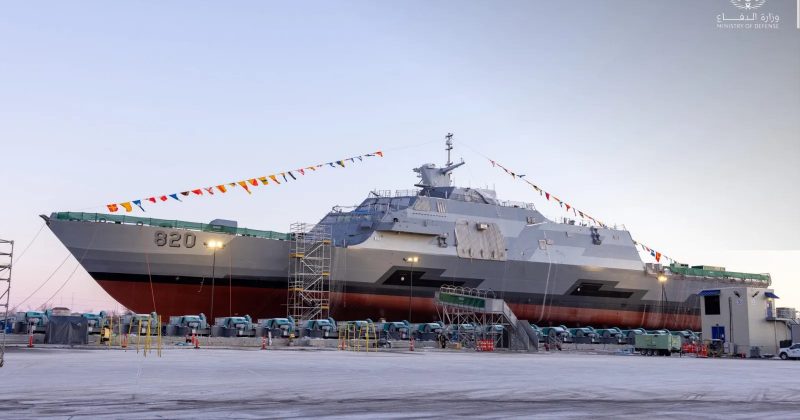
Geopolitical Flashpoint: Saudi-led Coalition Vows Ship Protection Amid Escalating Houthi Blockade
Market intelligence suggests a high-risk environment, with projections indicating a 59% probability that Houthi forces will successfully target shipping by July 31. This heightened geopolitical tension poses a direct threat to global supply chains and could trigger significant volatility across international markets.
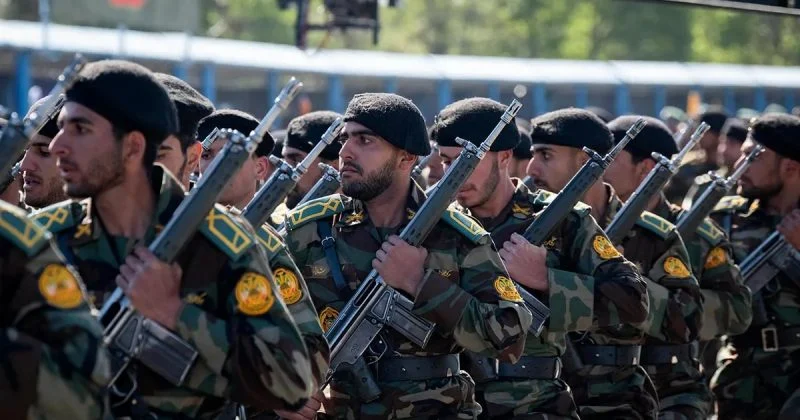
Market Shock: Polymarket Predicts US May Halt Iran Offensive Operations by 2026
For crypto investors, these geopolitical indicators are vital, as Middle East tensions often drive market volatility and macro shifts. Understanding these prediction markets is key to navigating how global political stability—or the lack thereof—will impact asset prices and broader economic trends.
