Gulf Tension Rises: US and Iran Exchange Strikes Amid Escalation Fears
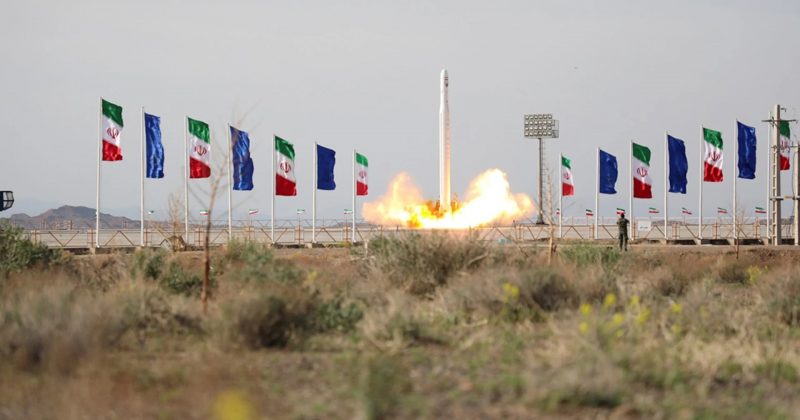
The geopolitical landscape is under intense pressure as the United States and Iran exchange military strikes within the Gulf region. This direct confrontation significantly heightens the risk of a massive military escalation, threatening global energy security and creating a wave of uncertainty across international markets.
Market analysts are closely monitoring the situation, as recent data suggests a 44.5% probability of further Iranian military action against Gulf states by July 30. Such geopolitical instability often serves as a catalyst for extreme market volatility, potentially driving capital flows toward decentralized assets as investors seek hedges against traditional systemic risks.
The United States and Iran have traded further strikes in the Gulf, fueling widespread fears of a major military escalation. The intensifying conflict in this strategic corridor raises serious concerns regarding global maritime security and economic stability. Current intelligence suggests a 44.5% probability of Iranian military action against a Gulf state occurring by July 30. As tensions mount, the global community remains on high alert for any movement that could trigger a broader regional conflict and subsequent market shocks.
This is a summarized and adapted version by Artificial Intelligence. To read the complete original story, visit the official source.
Read Full Article at Crypto BriefingSupport Jornal Bitcoin
Independent journalism, curated by AI, no clickbait. Keep the flame alive with any amount of BTC.
jonata@walletofsatoshi.comDaily Crypto Brief 📬
Subscribe to receive the curation of the most important Bitcoin and crypto news, summarized by AI. No spam.
Join more than 10,000 smart readers.
Related News

Geopolitical Alert: Germany Scales Back Tehran Embassy Operations Amid Rising Tensions
With projections suggesting a possibility of European military action against Iran by July, the geopolitical landscape is shifting toward high volatility. Such developments often trigger market shifts, as investors weigh the impact of regional conflict on global economic stability and crypto asset liquidity.
Russian Strikes Hit Ukraine's Power Grid; Kyiv Strikes Back at Oil and Missile Sites
This escalation underscores the intensifying conflict, with strategic projections suggesting a potential Russian entry into Sloviansk by late 2026. The ongoing destruction of energy assets remains a critical factor in the geopolitical landscape, driving uncertainty across global markets.
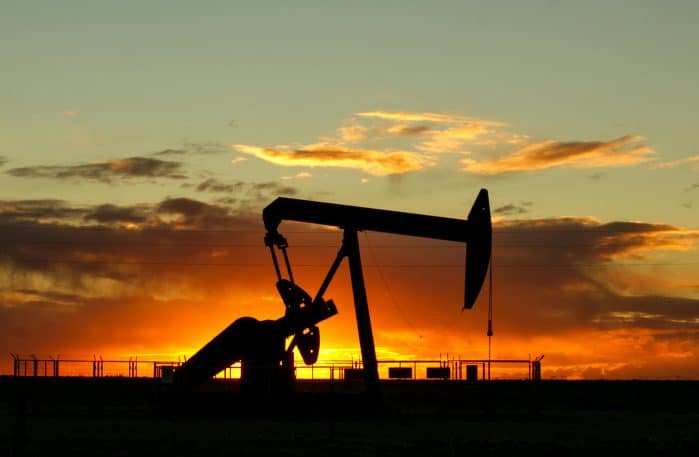
Oil Price Alert: Iran Conflict Risks Could Send Crude to All-Time Highs
Market analysts suggest that crude oil is positioned to hit a new all-time high by December 31. This potential surge in energy costs could trigger broader economic shifts, influencing inflation rates and the overall movement of capital across global financial markets.
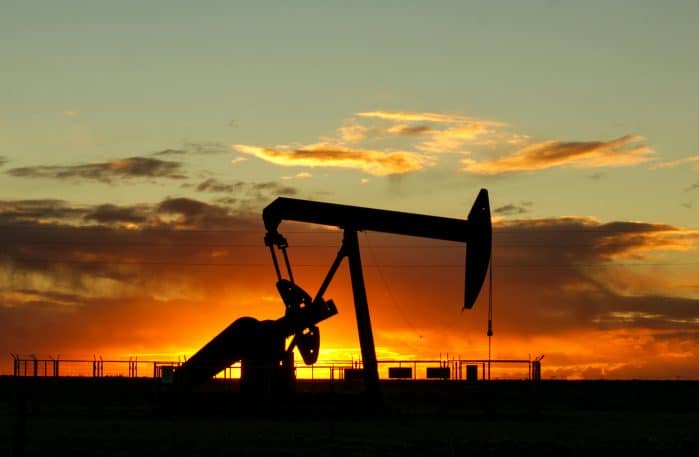
Energy Shock: US Gas Prices Surge Past $4 Amid Iran Tensions and Trump Tariff Fears
Market intelligence suggests a massive spike is on the horizon, with crude oil projected to hit new all-time highs by September 30, potentially rising by 10.2%. This volatility poses a significant threat to global inflation rates and could reshape trade dynamics in the coming months.
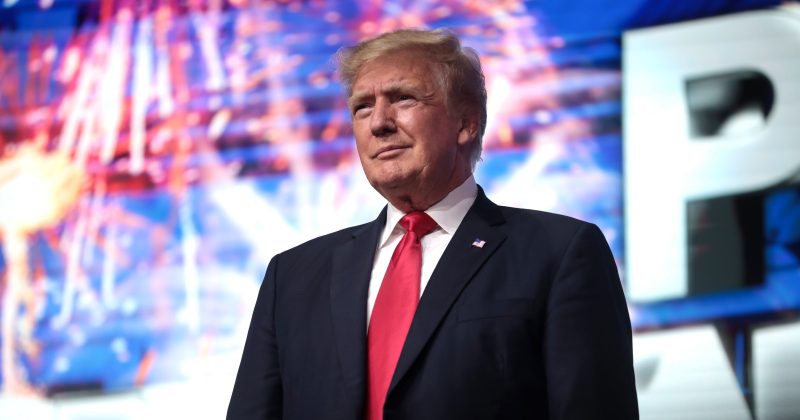
Geopolitical Shockwave: Trump Threatens to Seize Iranian Assets Amid Rising Tensions
Beyond the immediate threat, the market is weighing the long-term consequences of potential reconstruction funding deals projected for 2026. As US-Iran tensions intensify, the intersection of political brinkmanship and global financial stability remains a critical focal point for institutional investors.
Ukrainian Navy Earns NATO Certification to Lead Mine Countermeasure Forces
This development arrives as geopolitical forecasts weigh in on the conflict's trajectory, with some projections suggesting a potential recapture of Crimea by December 31, 2026. The ability to manage mine countermeasures is vital for securing maritime corridors and maintaining naval dominance in the Black Sea region.
