Geopolitical Flashpoint: US Airstrike in Iran Triggers Airspace Closure Warnings
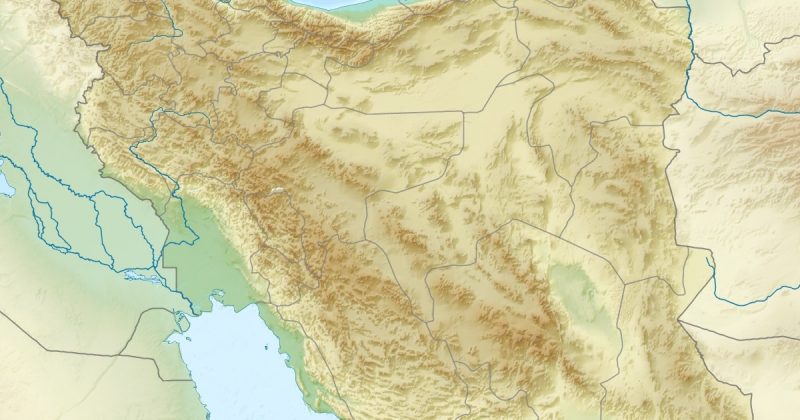
A US airstrike has targeted Kabudarahang County in Iran, signaling a dangerous escalation in regional tensions. This military action serves as a critical catalyst for market volatility, potentially driving investors toward safe-haven assets as geopolitical risks surge.
Data suggests a significant disruption to aviation, with airspace closure probabilities reaching 28.5% by July 31 and potentially climbing to 43.5% by August 31. The looming threat of restricted airspace and prolonged conflict creates a high-uncertainty environment for global trade and digital asset markets.
A US airstrike has hit Kabudarahang County, Iran, amid rapidly rising tensions in the region. The strike marks a significant escalation in military activity that could have far-reaching consequences for global stability. Current projections indicate a 28.5% chance of full airspace closure by July 31, a figure expected to rise to 43.5% by August 31. Analysts are closely watching the situation for impacts on global supply chains and market liquidity.
This is a summarized and adapted version by Artificial Intelligence. To read the complete original story, visit the official source.
Read Full Article at Crypto BriefingSupport Jornal Bitcoin
Independent journalism, curated by AI, no clickbait. Keep the flame alive with any amount of BTC.
jonata@walletofsatoshi.comDaily Crypto Brief 📬
Subscribe to receive the curation of the most important Bitcoin and crypto news, summarized by AI. No spam.
Join more than 10,000 smart readers.
Related News
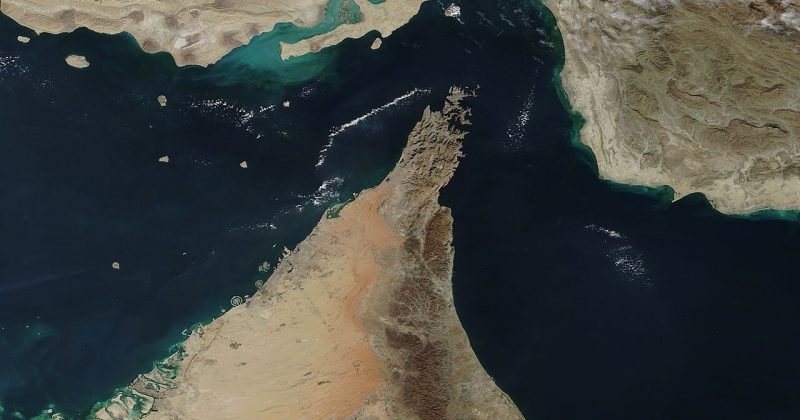
Geopolitical Tension: US Remains Open to Iran Talks Amid Energy Chokepoint Disruptions
Market volatility is expected to spike as discussions evolve, particularly with attention focused on the potential end of the Iranian blockade by August 2026. The disruption of critical energy chokepoints remains a primary concern for investors, who are closely monitoring how these diplomatic tensions will influence global liquidity and economic stability.
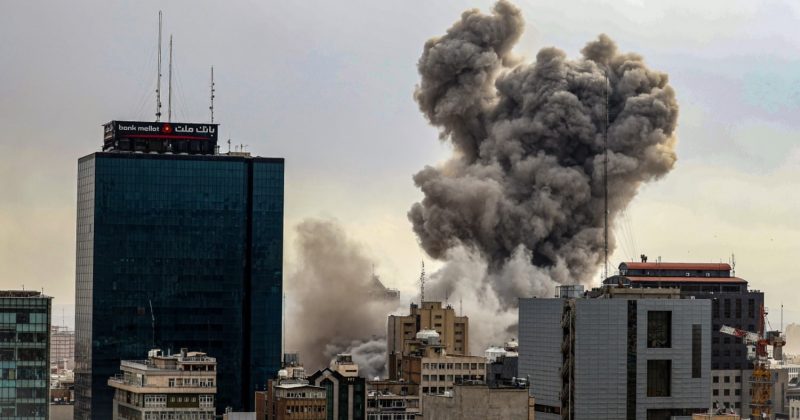
Middle East Escalation: Iranian Drones Strike U.S. Army Equipment in Kuwait
Beyond the immediate battlefield, this strike on U.S. military assets could trigger massive volatility across global markets and the crypto sector, as investors react to heightened geopolitical instability. The deployment of Iranian drones in a strategic corridor underscores the growing unpredictability of the Middle East and its potential to disrupt international security and energy flows.
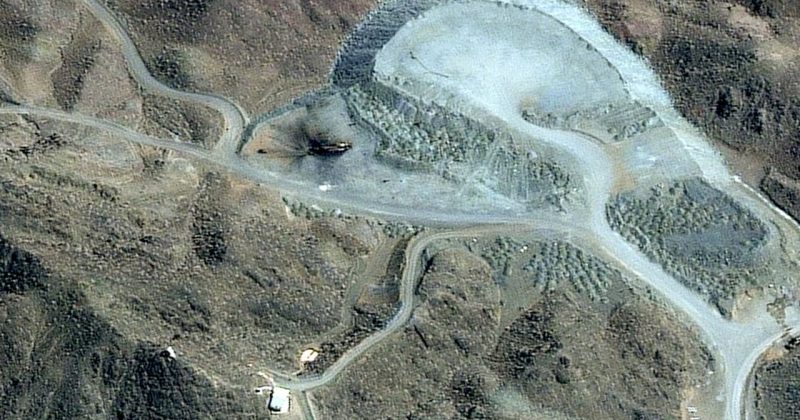
Global Alert: US Resumes Strikes on Iran as Trump Threatens Pickaxe Mountain
Market analysts are closely watching the probability of a full-scale US invasion of Iran, which currently sits at a 27.5% chance before 2027. This heightened geopolitical risk is a critical driver for market volatility, potentially pushing investors toward Bitcoin and other digital assets as hedges against sudden military escalations.

Chaos in Russia and Crimea: Ukrainian Attacks Trigger Fires and Power Outages
Beyond the immediate tactical damage, these developments fuel long-term geopolitical forecasting, including a calculated 8.5% probability that Ukraine could recapture Crimea by December 31, 2026. As the conflict intensifies, the potential for prolonged instability continues to shape global risk assessments and market sentiment.
Geopolitical Shockwave: Trump Vows to Strike Iranian Nuclear Facilities Amid Rising Middle East Tensions
This escalation in tensions is expected to trigger widespread uncertainty across global financial markets and the crypto sector. As investors brace for potential conflict, the focus shifts to how geopolitical instability will drive capital flows toward safe-haven assets and impact overall market liquidity.
Middle East Escalation: Iran Strike Kills US Soldier in Jordan, Pentagon Confirms
With a full airspace closure looming by August 31, the implications for global logistics and market stability are profound. As geopolitical risk surges, the crypto market and traditional financial sectors must brace for increased volatility driven by the potential for a broader military conflict.
