Hormuz Standoff: Polymarket Bets on July Normalization at 6.5% Amid Escalation

Polymarket prediction markets are currently pricing a 6.5% chance of normalization in the Strait of Hormuz by July 31, following a sharp spike in regional tensions. This shift comes on the heels of reports that the U.S. president ordered strikes after Iran allegedly violated a ceasefire by targeting vessels and U.S. interests within Gulf states.
The geopolitical escalation highlights the fragile security landscape in the Middle East. By monitoring these Polymarket odds, analysts can gauge how prediction markets quantify the risk of maritime disruption and the broader implications of U.S.-Iran military friction on global stability.
This is a summarized and adapted version by Artificial Intelligence. To read the complete original story, visit the official source.
Read Full Article at Blockchain.newsSupport Jornal Bitcoin
Independent journalism, curated by AI, no clickbait. Keep the flame alive with any amount of BTC.
jonata@walletofsatoshi.comDaily Crypto Brief 📬
Subscribe to receive the curation of the most important Bitcoin and crypto news, summarized by AI. No spam.
Join more than 10,000 smart readers.
Related News

Hormuz Crisis: Polymarket Odds for Iran Action Surge to 57.5% Amid Strike Reports
This sudden shift highlights the growing fear of an imminent military escalation in the Middle East. The rapid movement in Polymarket odds underscores how closely global markets are monitoring the situation, as any disruption in the Strait of Hormuz could trigger massive shocks to global energy supplies and international security.
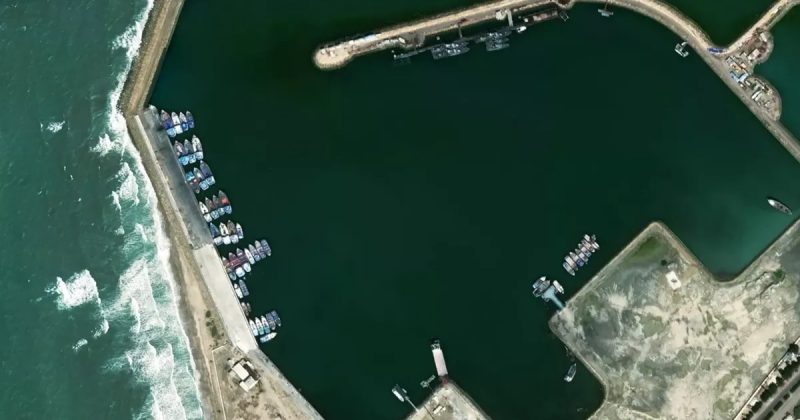
Middle East Chaos: Iran Attacks Cargo Ship Amid Explosions, Fueling US-Iran Tensions
This escalation threatens to destabilize global shipping and energy markets, potentially triggering massive shifts in geopolitical strategies. As the situation evolves, market predictions are being recalibrated to account for the profound impact this conflict may have on global economic stability and energy security.

Polymarket Odds Reveal J.D. Vance Leading the 2028 Presidential Race
Adding complexity to this outlook, analysts including CNN's Harry Enten warn of a looming 'Democratic Socialist primary revolt.' Described as a 'new Tea Party on steroids,' this internal upheaval threatens to reshape political coalitions and fundamentally disrupt primary outcomes in the coming years.

Geopolitical Flashpoint: US Military Strikes Iranian Targets Near Strait of Hormuz
These US military strikes on Iranian targets could lead to a rapid escalation of regional tensions, potentially increasing the likelihood of a widespread military conflict. As geopolitical instability rises, investors often pivot toward crypto assets and gold as hedges against the chaos of potential disruptions in vital maritime trade routes.
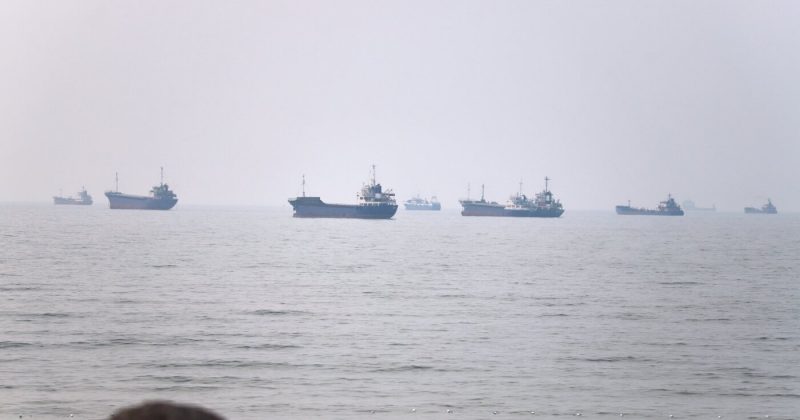
Geopolitical Shockwave: Iran Strikes Cargo Ship in Strait of Hormuz, Defying US Ultimatum
This aggressive maneuver exacerbates regional instability and undermines ongoing diplomatic efforts to stabilize the Middle East. Market participants are bracing for impact, as the attack heightens uncertainty over maritime traffic normalization, a factor that could trigger sudden shifts in global trade and risk-on asset classes.

Hormuz Strait Crisis: IRGC Missile Strikes Shake Oil Markets and Expose Iran’s Crypto Sanctions Playbook
The intersection of maritime conflict and decentralized finance suggests a new era of regulatory scrutiny. As the Strait of Hormuz remains a flashpoint, the use of crypto-based toll systems and payment methods by sanctioned regimes is expected to trigger intense oversight from global regulators aiming to protect the integrity of the crypto markets.
