Hormuz Crisis: Polymarket Odds for Normal Traffic Plummet Amid Iran Strike Reports

Geopolitical tensions have reached a boiling point following reports of continuous US military strikes targeting Iranian territory. The probability of maintaining normal traffic through the Strait of Hormuz has plummeted to 54% on Polymarket, as markets react to the heightened risk of maritime disruption.
With blasts reported near Tabriz and active air defenses surrounding Tehran, the situation is rapidly escalating. For those tracking macro trends, these Polymarket odds serve as a critical real-time indicator of how geopolitical instability in the Middle East could trigger broader market volatility and impact global trade stability.
Reports indicate that the US military has carried out its eleventh consecutive night of strikes against Iran. Explosions were reported near Tabriz, and air defense systems were activated around Tehran, aimed at mitigating threats to the Strait of Hormuz. Following these developments, Polymarket odds for normal traffic in the strait have dropped to 54%, reflecting growing concerns over potential maritime disruptions.
This is a summarized and adapted version by Artificial Intelligence. To read the complete original story, visit the official source.
Read Full Article at Blockchain.newsSupport Jornal Bitcoin
Independent journalism, curated by AI, no clickbait. Keep the flame alive with any amount of BTC.
jonata@walletofsatoshi.comDaily Crypto Brief 📬
Subscribe to receive the curation of the most important Bitcoin and crypto news, summarized by AI. No spam.
Join more than 10,000 smart readers.
Related News
Polymarket Holds El-Sayed at 80% Probability to Win Michigan Dem Primary
As these betting markets evolve, they provide a stark contrast to traditional polling by reflecting direct financial stakes. The stability of El-Sayed's odds, coupled with recent incumbent successes like Greg Stanton in Arizona, underscores a broader trend of established political figures successfully fending off progressive challenges.

Geopolitical Chess: Rubio to Meet China’s Wang Yi at ASEAN Amid US-China Summit Talks
The implications of this meeting extend far beyond bilateral politics, influencing global market stability and long-term strategic forecasting. With sentiment indicators suggesting a 93% probability of Xi Jinping visiting the US before 2027, the dialogue at ASEAN could be the catalyst for a significant shift in international economic relations.
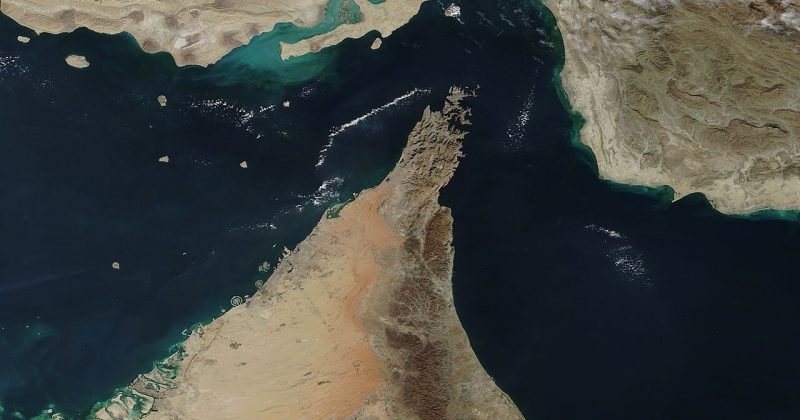
Geopolitical Tension: US Remains Open to Iran Talks Amid Energy Chokepoint Disruptions
Market volatility is expected to spike as discussions evolve, particularly with attention focused on the potential end of the Iranian blockade by August 2026. The disruption of critical energy chokepoints remains a primary concern for investors, who are closely monitoring how these diplomatic tensions will influence global liquidity and economic stability.
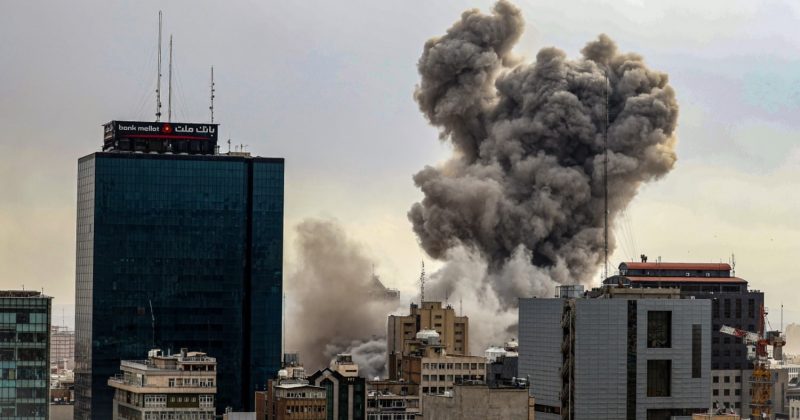
Middle East Escalation: Iranian Drones Strike U.S. Army Equipment in Kuwait
Beyond the immediate battlefield, this strike on U.S. military assets could trigger massive volatility across global markets and the crypto sector, as investors react to heightened geopolitical instability. The deployment of Iranian drones in a strategic corridor underscores the growing unpredictability of the Middle East and its potential to disrupt international security and energy flows.
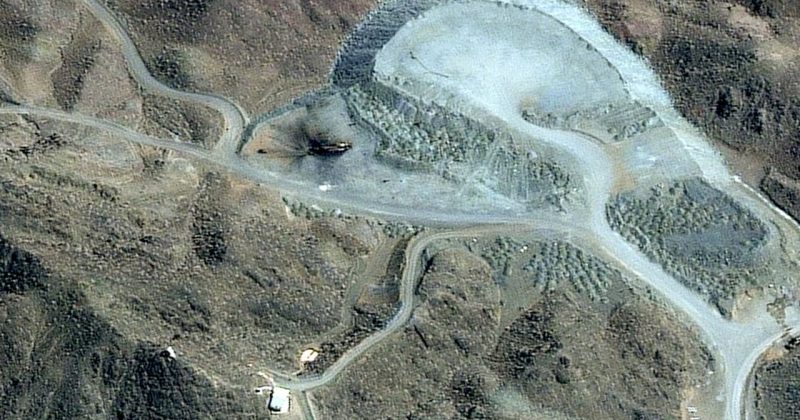
Global Alert: US Resumes Strikes on Iran as Trump Threatens Pickaxe Mountain
Market analysts are closely watching the probability of a full-scale US invasion of Iran, which currently sits at a 27.5% chance before 2027. This heightened geopolitical risk is a critical driver for market volatility, potentially pushing investors toward Bitcoin and other digital assets as hedges against sudden military escalations.
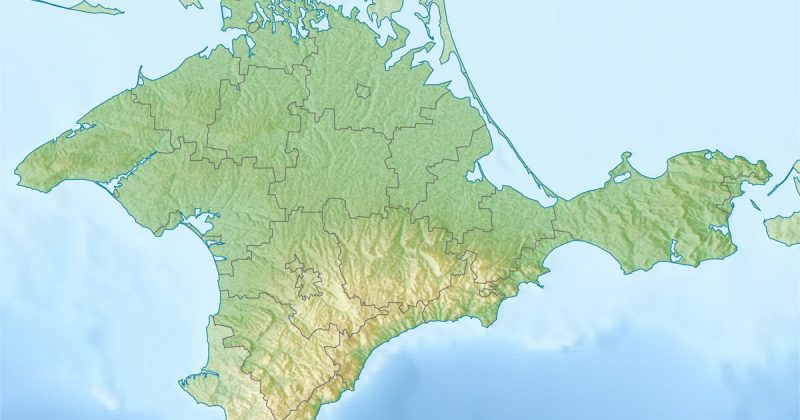
Chaos in Russia and Crimea: Ukrainian Attacks Trigger Fires and Power Outages
Beyond the immediate tactical damage, these developments fuel long-term geopolitical forecasting, including a calculated 8.5% probability that Ukraine could recapture Crimea by December 31, 2026. As the conflict intensifies, the potential for prolonged instability continues to shape global risk assessments and market sentiment.
