Hormuz Strait Tension: Tehran-Muscat Talks Progress Amid Energy Crisis Fears
Diplomatic talks between Tehran and Muscat regarding the reopening of the Strait of Hormuz have shown signs of progress, yet the overall geopolitical status remains unchanged. This delicate negotiation process is a critical focal point for global stability, as any disruption in this vital waterway could trigger massive market shocks.
Market analysts are closely watching the energy sector, with forecasts suggesting WTI Crude Oil could surge to $110 in July. The combination of ongoing regional tension and the potential for supply chain interruptions is driving significant volatility, making the outcome of these talks essential for global oil pricing and economic stability.
Tehran and Muscat are making progress in talks concerning the reopening of the Strait of Hormuz, though the current status of the situation remains unchanged. While diplomatic efforts continue, the geopolitical risk remains high. With WTI Crude Oil projected to reach $110 in July, the market is bracing for potential volatility driven by the instability in this crucial maritime corridor.
This is a summarized and adapted version by Artificial Intelligence. To read the complete original story, visit the official source.
Read Full Article at Crypto BriefingSupport Jornal Bitcoin
Independent journalism, curated by AI, no clickbait. Keep the flame alive with any amount of BTC.
jonata@walletofsatoshi.comDaily Crypto Brief 📬
Subscribe to receive the curation of the most important Bitcoin and crypto news, summarized by AI. No spam.
Join more than 10,000 smart readers.
Related News
Geopolitical Chaos: Trump’s Iran Strike Threats Send Bitcoin Tumbling
Traders are aggressively reducing their risk exposure as the threat of military conflict looms over the Middle East. This correlation between global instability and crypto market volatility highlights how geopolitical tensions can trigger massive liquidations and shift investor sentiment toward safer havens almost instantaneously.
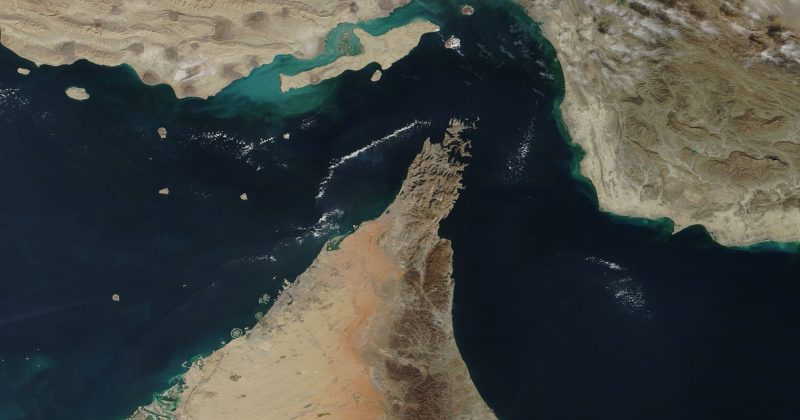
Geopolitical Twist: Iran Proposes Bitcoin and Stablecoin Tolls in Strait of Hormuz Ceasefire Talks
This proposal highlights the growing influence of crypto assets in high-stakes international relations and maritime logistics. By leveraging Bitcoin and stablecoins for critical infrastructure fees, the move could bypass traditional banking sanctions and set a precedent for how digital assets function within the framework of global commodity trade.
Geopolitical Shockwave: Russia Strikes Kyiv and Civilian Cargo Ship in Black Sea
Beyond the immediate tactical strikes, the strategic implications of potential territorial shifts, including the movement toward Druzhkivka, present long-term risks. The disruption of Black Sea maritime routes and the continued targeting of urban centers serve as critical catalysts for market shifts, potentially driving demand for decentralized assets amidst heightened global instability.
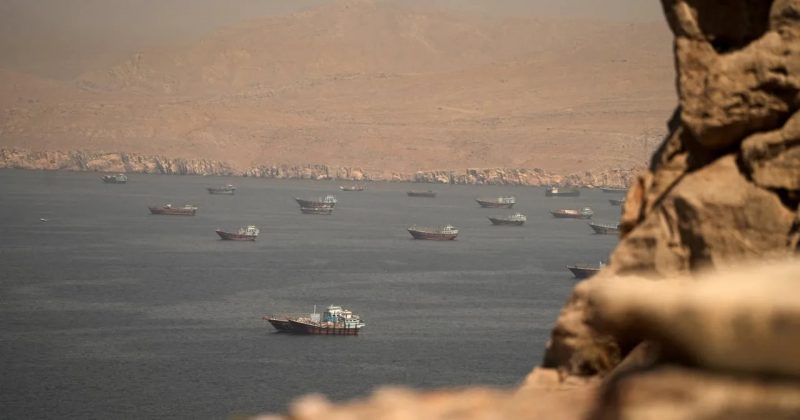
Strait of Hormuz Alert: Iran and Oman Push Forward Security Talks
Market analysts are closely monitoring these developments, noting a 43.5% probability of a formal U.S.-Iran diplomatic meeting occurring by August 31, 2026. The outcome of these regional negotiations will play a decisive role in global energy security and international trade stability.
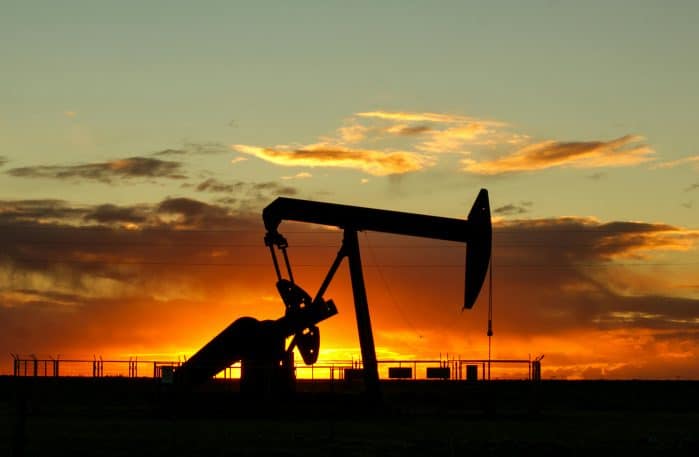
China ramps up green energy pivot as Iran conflict destabilizes oil demand
This pivot comes at a critical juncture for global markets, where the instability of crude oil prices is forcing a re-evaluation of traditional energy dependencies. The acceleration of green energy deployment in China not only addresses domestic security but also sets a new precedent for how major economies navigate the intersection of conflict and climate transition.
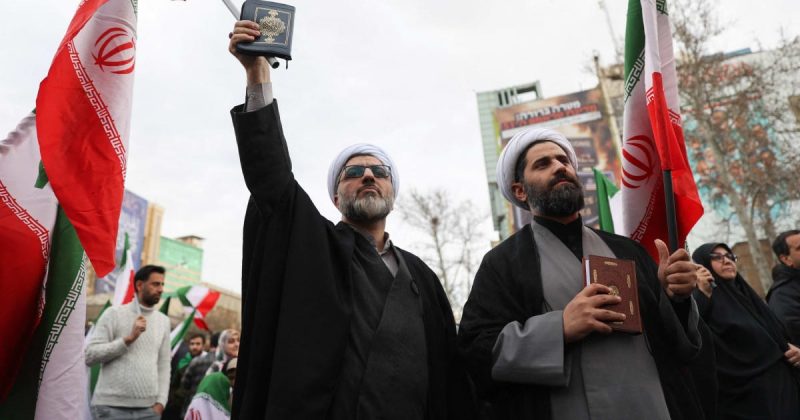
Iran-US Tensions Explode: Military Action Risks and Energy Market Chaos Ahead
While long-term projections for 2026 suggest a reconstruction deal with significant funding, the immediate threat of military engagement poses a direct challenge to global liquidity. The market is bracing for significant volatility as the intersection of energy security and geopolitical warfare becomes the primary driver of economic uncertainty.
