Strait of Hormuz Attack: Tanker Targeted Amid Escalating US-Iran Military Tensions
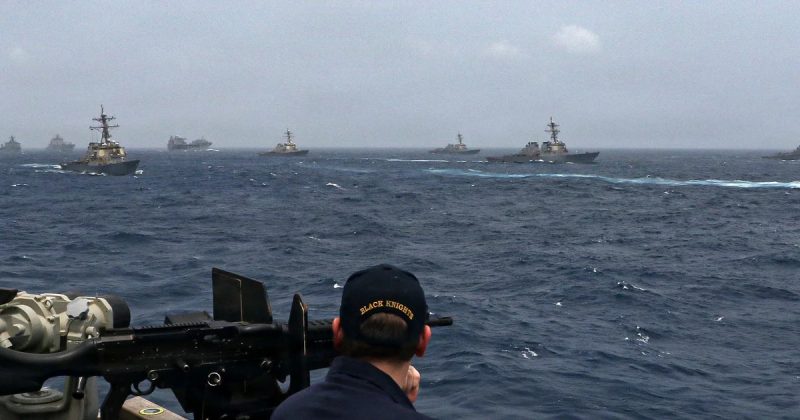
A tanker attack in the Strait of Hormuz has sent shockwaves through global markets as US-Iran military escalation reaches a fever pitch. This targeted strike in a vital maritime corridor highlights the growing volatility and the immediate risks posed by the ongoing geopolitical friction.
While maritime traffic was reported to have returned to normal levels by August 31, the underlying threat of a direct confrontation between the US and Iran continues to loom large. Investors and analysts are closely monitoring the situation, as any further disruption in the Strait of Hormuz could trigger massive shifts in global energy prices and economic stability.
A tanker was attacked in the Strait of Hormuz amid intensifying US-Iran military escalation. The incident underscores the precarious security situation in one of the world's most important shipping lanes. Although traffic was reported to be back to normal by August 31, the heightened tensions between the US and Iran suggest that the risk of further maritime disruptions remains a significant concern for global stability.
This is a summarized and adapted version by Artificial Intelligence. To read the complete original story, visit the official source.
Read Full Article at Crypto BriefingSupport Jornal Bitcoin
Independent journalism, curated by AI, no clickbait. Keep the flame alive with any amount of BTC.
jonata@walletofsatoshi.comDaily Crypto Brief 📬
Subscribe to receive the curation of the most important Bitcoin and crypto news, summarized by AI. No spam.
Join more than 10,000 smart readers.
Related News

Tech War Escalates: US Threatens China Sanctions Over AI Model Theft
The fallout from these potential sanctions could have profound implications for both the AI sector and the broader crypto market. As the battle for technological supremacy intensifies, the intersection of cybersecurity, AI development, and digital assets is expected to face unprecedented regulatory and economic pressure.
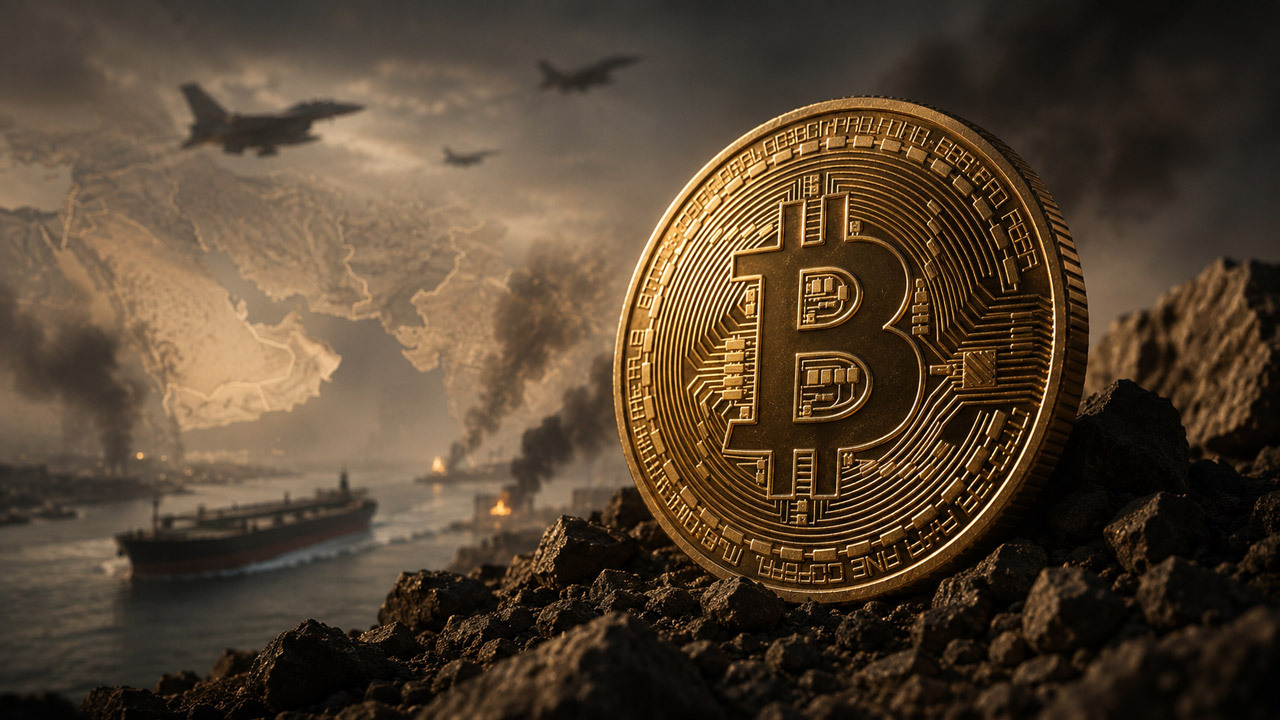
Bitcoin Surges Past $66,000 Amid US-Iran Tensions: A Massive Test Lies Ahead
While the immediate breakout shows technical strength, the market is bracing for an even more significant test of its current levels. The interplay between institutional ETF demand and the reduction of available supply on major exchanges suggests a tightening market, yet investors must remain cautious as geopolitical volatility threatens to trigger sudden shifts in price action.

Oil Surges Near $90: Why is Bitcoin Holding Strong Above $66,000?
While geopolitical tensions involving US-Iran ceasefire proposals cause fluctuations in oil prices, the Bitcoin price action has remained robust, navigating an intraday range between $63,100 and $66,313. This decoupling suggests that the Bitcoin market may be reacting to unique liquidity drivers rather than following the inflationary pressures typically associated with rising oil costs.
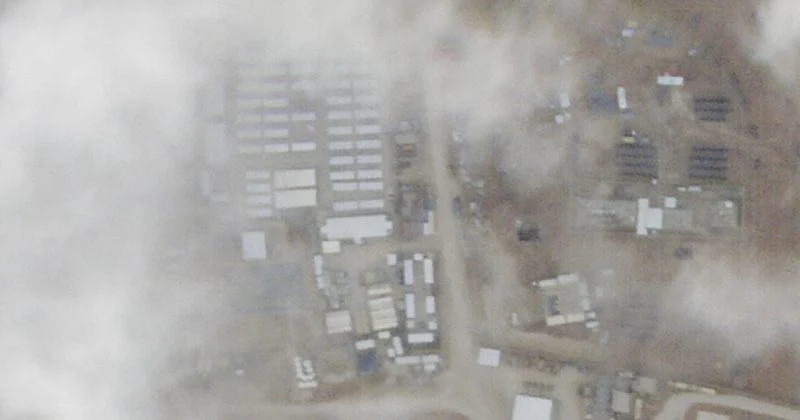
Geopolitical Crisis: US Troops Killed in Jordan Strike Amid Rising Middle East Tensions
With reports suggesting a potential full airspace closure in Iran by August 31, the threat of a broader regional conflict looms large. This heightened uncertainty is expected to drive significant volatility across crypto markets, as traders react to the shifting landscape of global security and potential energy supply disruptions.
South African Rand Surges as Dropping Oil Prices Fuel US-Iran Mediation Hopes
As diplomatic hopes influence global trade dynamics, the downward pressure on oil prices is reshaping investor sentiment toward risk assets. The market is closely watching whether this mediation can stabilize energy costs, potentially providing a long-term tailwind for the Rand and broader global economic stability.
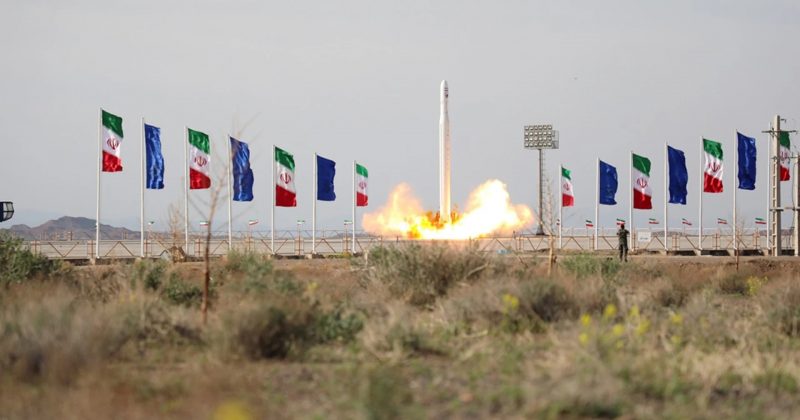
Geopolitical Standoff: Iran Unlikely to Back Down Despite U.S. Military Pressure
Looking ahead to 2026, potential deal frameworks include reconstruction funding and a uranium enrichment cap set at 32.5%. The persistence of this conflict between Iran and the U.S. continues to shape global risk assessments and long-term economic stability.
