Hormuz Strait Crisis: Projectile Strike on LNG Carrier Tests US-Iran Peace Deal
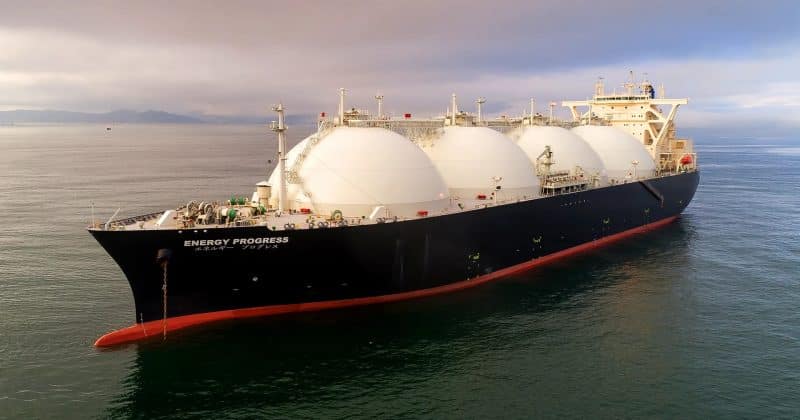
A critical incident involving an LNG carrier hit by a projectile near the Strait of Hormuz has placed the US-Iran peace deal under immediate scrutiny. This geopolitical flashpoint threatens global energy stability and raises urgent concerns regarding maritime security in one of the world's most vital chokepoints.
The fallout from this strike is expected to trigger a surge in maritime insurance costs and force significant rerouting of global logistics. As the situation evolves, the resulting volatility in LNG market prices will likely ripple through broader energy and financial markets.
An LNG carrier was hit by a projectile near the Strait of Hormuz, putting the US-Iran peace deal to an early and volatile test. The incident threatens global energy stability, potentially escalating insurance costs and necessitating the rerouting of logistics, which will directly impact LNG market prices.
This is a summarized and adapted version by Artificial Intelligence. To read the complete original story, visit the official source.
Read Full Article at Crypto BriefingSupport Jornal Bitcoin
Independent journalism, curated by AI, no clickbait. Keep the flame alive with any amount of BTC.
jonata@walletofsatoshi.comDaily Crypto Brief 📬
Subscribe to receive the curation of the most important Bitcoin and crypto news, summarized by AI. No spam.
Join more than 10,000 smart readers.
Related News
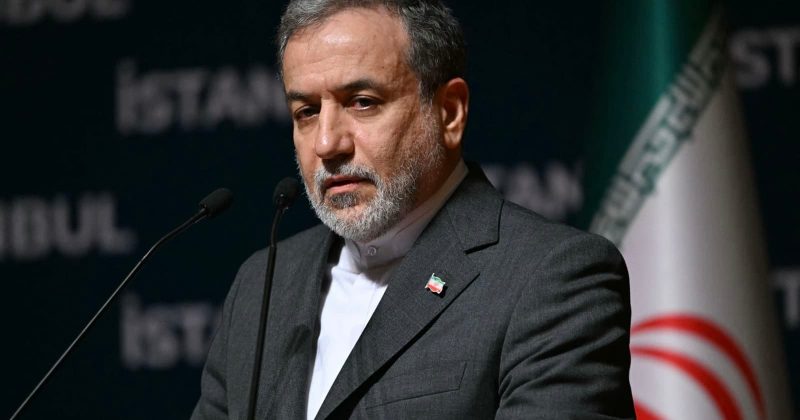
Middle East Alert: Iran Sets Hard Line on US Talks as Ceasefire Hangs by a Thread
The implications of this diplomatic deadlock extend far beyond borders, posing a direct threat to regional peace and global market stability. As tensions rise, the potential for sudden market shifts increases, making this a key development for those monitoring systemic risk and international volatility.
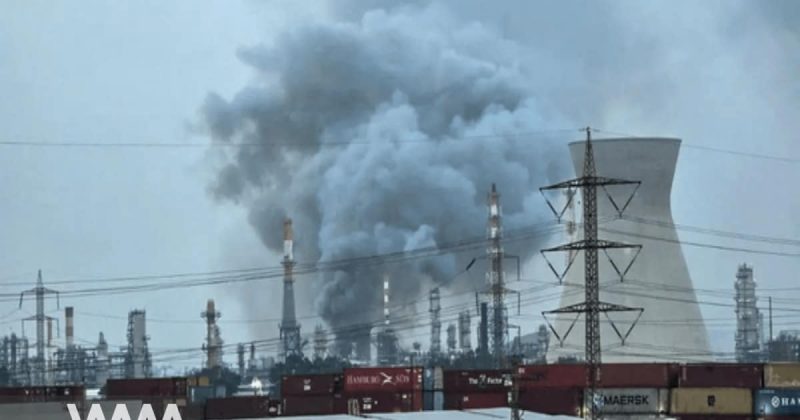
Geopolitical Flashpoint: Iran Power Grid Attack Threatens Gulf Blackouts and Global Markets
The consequences of such an escalation extend far beyond local borders, potentially disrupting global energy security and triggering massive shifts in market dynamics. As geopolitical tensions mount, the resulting volatility could create significant ripples across both traditional energy sectors and the broader cryptocurrency markets.

Bitcoin Retreats from $64,000 Highs Amid Geopolitical Tensions and Whale Activity
Global instability is mounting as a missile strike on a Qatari gas ship in the Strait of Hormuz has spiked oil prices and threatened recent peace efforts. This geopolitical friction, combined with a sell-off in Asian tech stocks, is creating a high-risk environment that could dampen the current Bitcoin rally.
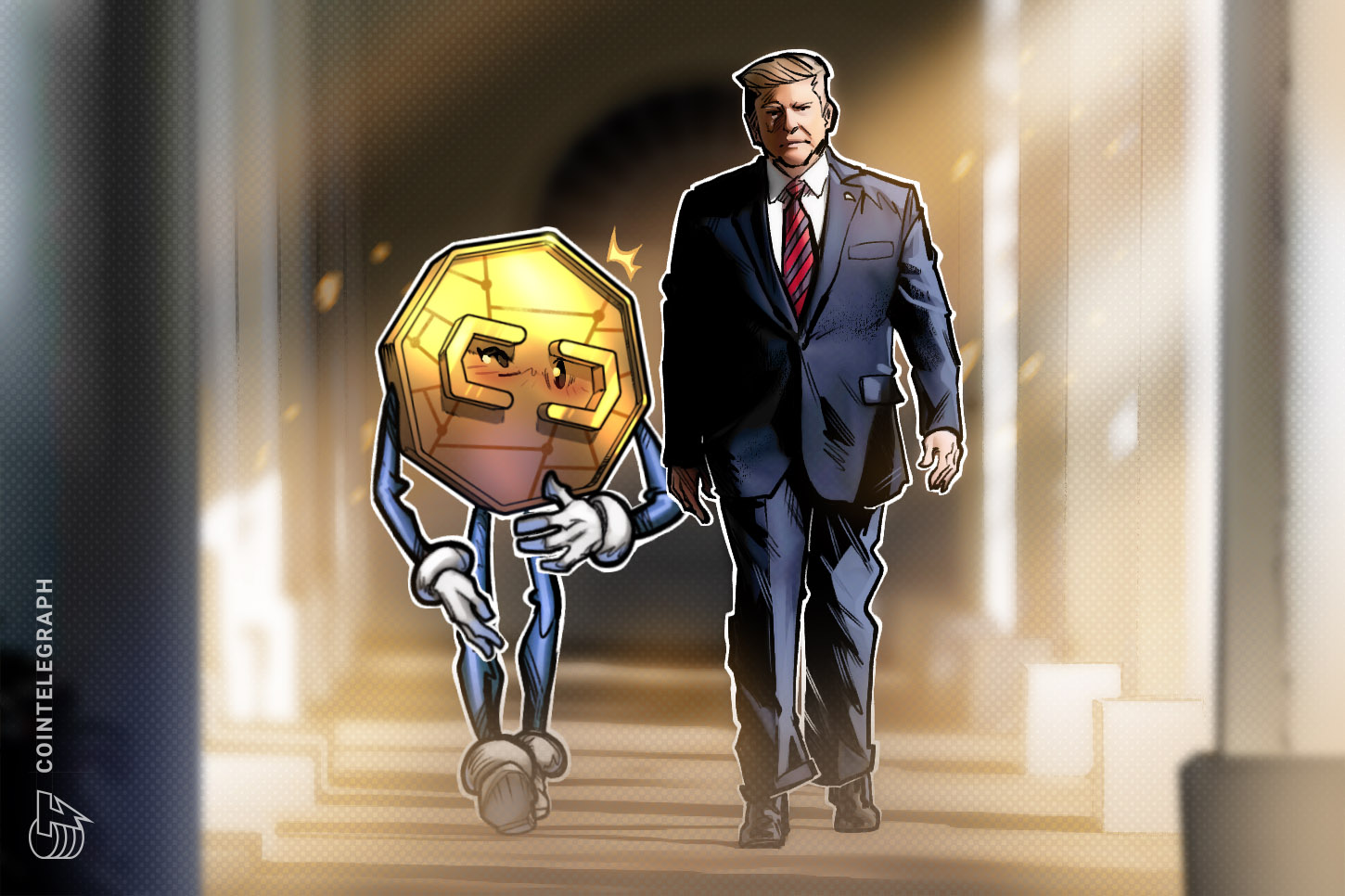
Trump's Crypto Pivot: 'If we don't have it, China will', says former President
This strategic shift underscores the growing influence of the crypto industry on US domestic and foreign policy. By framing Bitcoin adoption as a race against global competitors, Trump is positioning the crypto market not just as a financial tool, but as a critical frontier for maintaining American technological and economic supremacy.
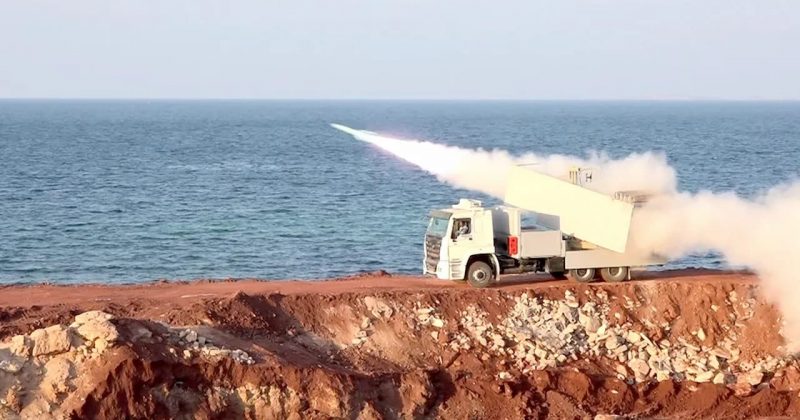
Hormuz Crisis: Iran Missile Attacks on Ships Spark Global Security Fears
Beyond the immediate tactical threat, the geopolitical fallout poses a significant risk to global security and energy supply chains. As the situation evolves, the potential for a wider conflict remains high, creating massive uncertainty for international markets and global stability.
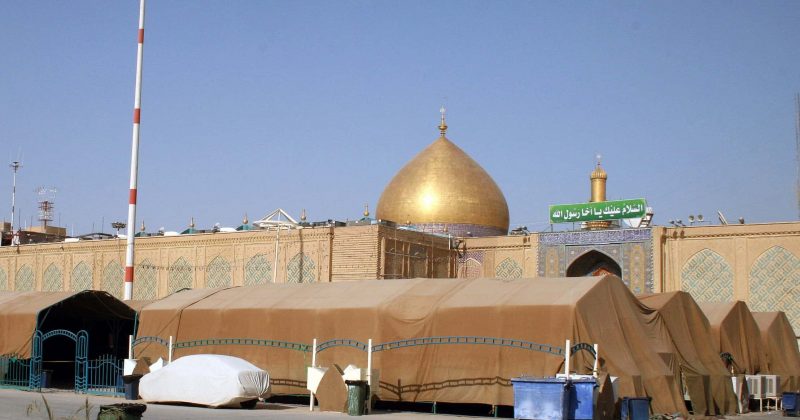
Geopolitical Shockwave: Najaf Prepares for Khamenei’s Funeral Amid Rising Tensions
The consequences of this transition extend far beyond religious ceremonies, posing significant risks to global geopolitical stability. As the vacuum of power emerges, the future of US-Iran relations and broader Middle East security remains under intense scrutiny by global powers.
