Tech and AI drag Asian stocks lower: the market doubts the billions’ payoff
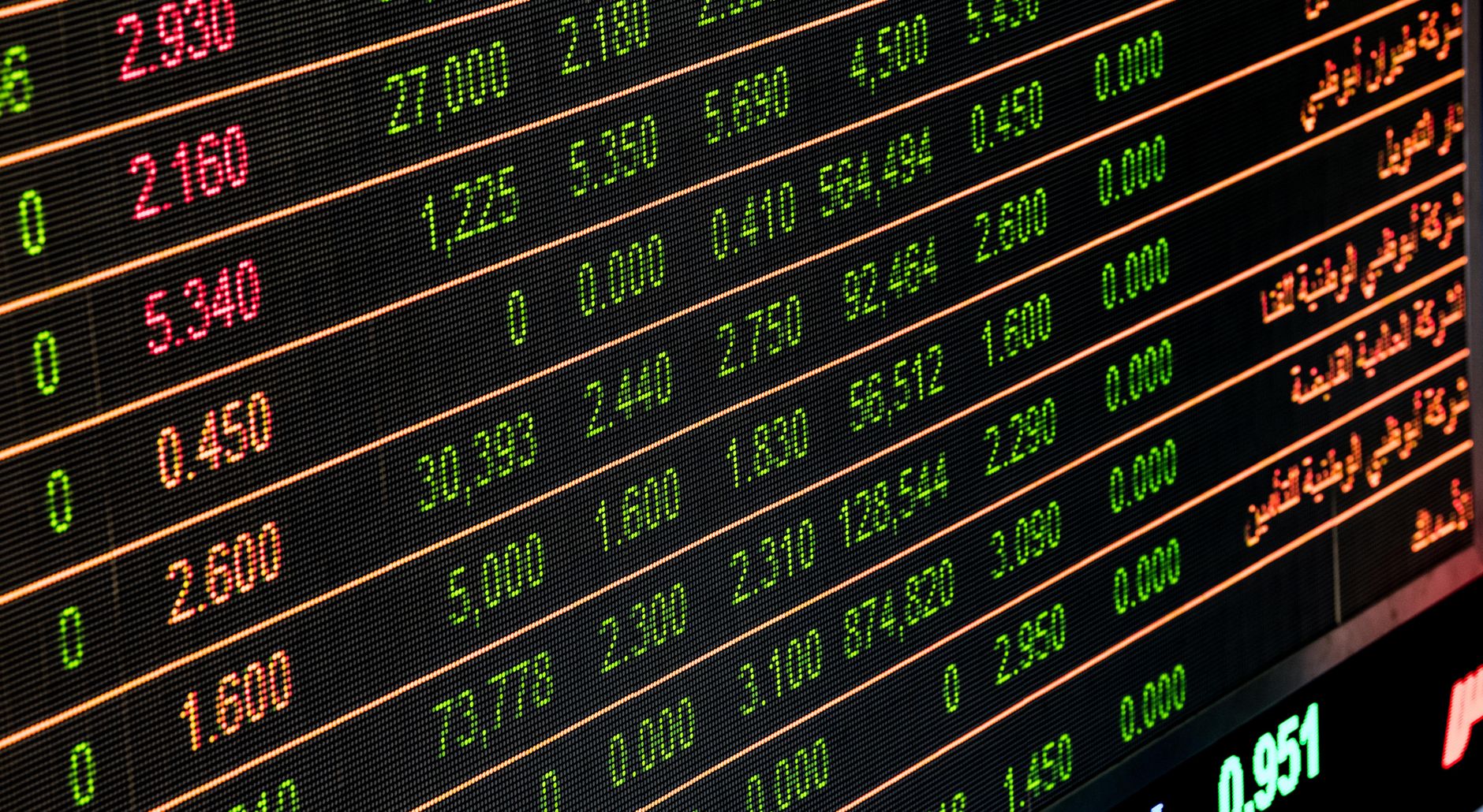
Intel Brief: Asian markets fell as technology shares and AI-linked companies weighed on prices. The message from the tape is straightforward: momentum in the sector has cooled, and investors now want clearer proof that the AI bet is paying off.
The drop signals broader global uncertainty about whether the billions deployed into AI infrastructure are translating into timely results. When heavy capacity spending doesn’t quickly convert into earnings, risk appetite shrinks and volatility rises—an important read-through for how the tech and AI valuation cycle may evolve in 2026.
Asian stock markets declined, pressured by technology shares and companies tied to artificial intelligence (AI). Market commentary suggests this isn’t only a short-term adjustment, but a reflection of wider global doubts about whether the billions invested in AI infrastructure will deliver the expected payoff.
As investors reassess how fast expansion in data centers, tools, and compute capacity turns into tangible returns, confidence in the sector becomes more sensitive to performance signals. That dynamic can increase volatility across regional portfolios and keep traders cautious on tech assets until the AI narrative passes another results-driven test.
This is a summarized and adapted version by Artificial Intelligence. To read the complete original story, visit the official source.
Read Full Article at BlockTrendsSupport Jornal Bitcoin
Independent journalism, curated by AI, no clickbait. Keep the flame alive with any amount of BTC.
jonata@walletofsatoshi.comDaily Crypto Brief 📬
Subscribe to receive the curation of the most important Bitcoin and crypto news, summarized by AI. No spam.
Join more than 10,000 smart readers.
Related News

Treasury Giant Sells $216M in Bitcoin to Fund Dividends Amid $8.3B Quarterly Loss
This massive sale of Bitcoin underscores the growing tension between holding long-term digital assets and meeting immediate financial obligations. As the company uses Bitcoin to fund dividends, the market is closely watching the implications for institutional Bitcoin liquidity and the stability of large-scale crypto treasuries.

Michael Saylor's Pivot: MicroStrategy Sells $216 Million in Bitcoin to Fund Dividends
The primary driver behind this liquidation is to facilitate dividend payments on the firm's preferred stock. While the company remains a massive Bitcoin holder, this tactical shift highlights the growing intersection between corporate treasury management and the volatile cryptocurrency market.

Platinum Price Jumps: XPT Hits $1,650 as Early-July Volatility Returns
This comes amid early July volatility, with platinum futures opening the month on slightly better footing after the recent pullback. In the latest platinum price analyses, the takeaway is straightforward: the near-term direction still hinges on whether the rebound holds and risk appetite stabilizes after the decline.

Citi Slashes Bitcoin and Ethereum Price Targets as ETF Flows Turn Negative
With Bitcoin ETF flows down by roughly $3.3 billion so far, the message is blunt: without improvement in ETFs and clearer regulatory momentum, even major banks will keep revising expectations downward. This mix of negative ETF flows and stalled U.S. crypto legislation raises the odds of continued volatility and market dependence on policy catalysts.

The $60.4K Pivot: 5 Critical Things to Watch in Bitcoin This Week
While the recent rally is promising, a true trend inflection requires bulls to push decisively beyond the $65,000 resistance level. Traders are now closely monitoring these key price points to determine if the current bullish continuation can withstand market volatility.

Bitcoin Stalls: BTC Struggles to Hold $63K as Market Lacks Clear Catalyst
Macroeconomic headwinds are driving the current sentiment, specifically the strengthening US Dollar and the looming anticipation of US inflation data. These external factors are creating a tug-of-war for liquidity, meaning the next major move for Bitcoin will likely depend on how the broader economy reacts to upcoming economic indicators.
