The $1.9 Trillion Test: T. Rowe Price Challenges Crypto ETF Skepticism
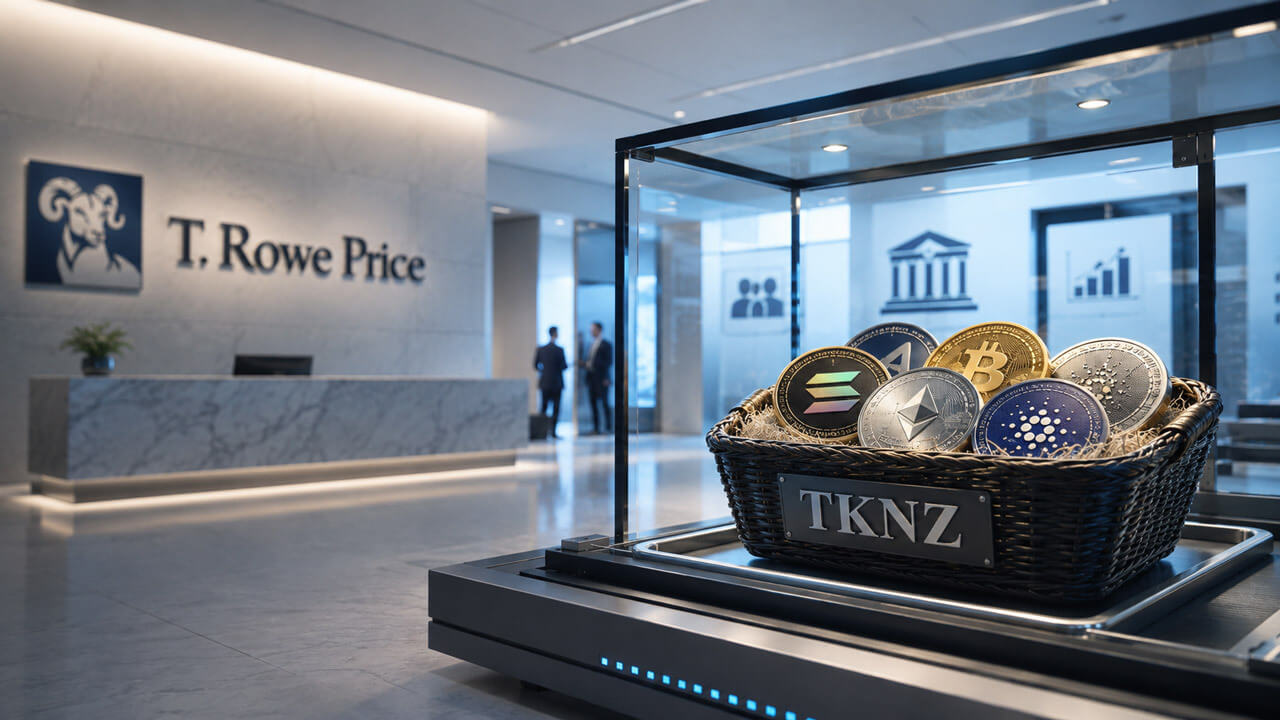
Asset management giant T. Rowe Price, overseeing roughly $1.89 trillion, is putting market skepticism to the test with its debut crypto product, the TKNZ spot ETP. Following the recent rejection of crypto basket ETFs by investors, this launch marks a high-stakes attempt to introduce diversified multi-token exposure to the mainstream.
With 66% of its assets tied to retirement accounts and institutional advisers, T. Rowe Price is targeting the core demographic the crypto industry has spent years trying to penetrate. The performance of TKNZ on the NYSE Arca will serve as a critical litmus test for institutional appetite regarding diversified digital asset products.
This is a strategic play for the industry's most coveted demographic. Roughly 66% of T. Rowe Price's managed assets are linked to retirement accounts, advisers, and institutional relationships. By launching TKNZ, the firm is testing whether a diversified approach can finally bridge the gap between traditional institutional finance and the crypto ecosystem.
This is a summarized and adapted version by Artificial Intelligence. To read the complete original story, visit the official source.
Read Full Article at CryptoSlateSupport Jornal Bitcoin
Independent journalism, curated by AI, no clickbait. Keep the flame alive with any amount of BTC.
jonata@walletofsatoshi.comDaily Crypto Brief 📬
Subscribe to receive the curation of the most important Bitcoin and crypto news, summarized by AI. No spam.
Join more than 10,000 smart readers.
Related News

Wall Street Giant: Morgan Stanley Opens Doors to Bitcoin, Ethereum, and Solana
This decision marks a turning point for mass adoption, bringing the volatility and growth potential of cryptocurrencies to the radar of high-level retail clients. By integrating Bitcoin, Ethereum, and Solana, the bank not only diversifies its service portfolio but also validates the maturity of the crypto asset market in the eyes of Wall Street giants.

Digital Power Move: China and Kazakhstan Ink $15B Deals to Supercharge AI and Digital Asset Infrastructure
Beyond mere hardware, these investments are designed to build a resilient foundation for the future of digital assets and decentralized networks. By integrating AI with robust digital infrastructure, both nations are positioning themselves at the forefront of the global technological shift, creating significant implications for the digital economy.

SBI Holdings Expands Crypto Footprint with Strategic Acquisition of Singapore's Coinhako
This acquisition is a pivotal step in SBI's roadmap to dominate the digital asset landscape, specifically targeting expansion into stablecoins, onchain finance, and tokenized assets. By leveraging Coinhako's existing Major Payment Institution license, SBI is set to strengthen its institutional presence within Singapore's highly regulated and booming crypto ecosystem.
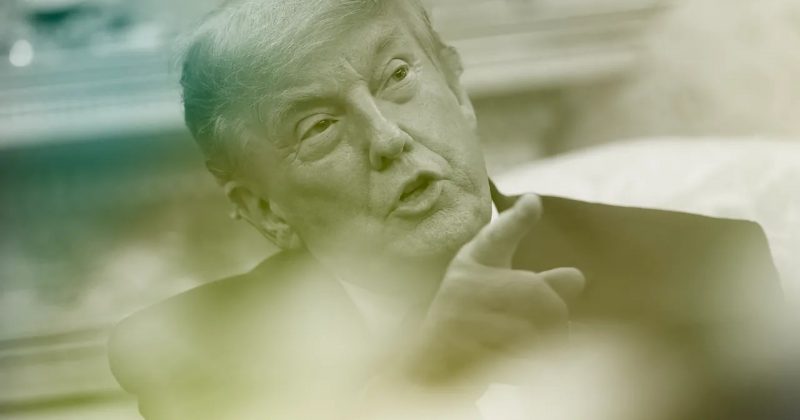
Race Against the Clock: House Debates Crypto Clarity Act, Eyes Trump's Approval Before Recess
As the industry awaits definitive guidance, the impact of this act cannot be overstated. With historical projections suggesting a 30.5% approval threshold for its implementation by 2026, the successful passage of the Crypto Clarity Act would provide the institutional certainty required to drive mass adoption and stabilize the volatile crypto market landscape.
Gulf Escalation: Polymarket Odds of US-Iran Invasion Surge to 22.5%
This sudden surge underscores the direct link between military escalation and prediction market volatility. As the world watches the potential for a broader regional war, the implications for global energy supplies and broader market sentiment remain highly uncertain and volatile.

ECB Warning: Stablecoin Surge Threatens to Drain Commercial Bank Deposits
As digital payments reshape the financial landscape, Cipollone noted that banks are already losing transaction fees and critical data to mobile payment providers and non-European infrastructures. He emphasized that the implementation of the digital euro is essential to safeguard the role of traditional banks and ensure European sovereignty in the evolving payments ecosystem.
