Congo Ebola Outbreak Disrupts Mineral Talks, Threatening Crypto Mining Hardware Supply
A sudden Ebola outbreak in the Congo has disrupted US-backed mineral negotiations, posing a direct threat to the critical supply chains required for crypto mining hardware. This disruption creates immediate uncertainty for the production of essential semiconductor and hardware components used in the blockchain ecosystem.
This breakdown in mineral talks may heighten global reliance on Chinese supply chains, significantly impacting tech industries and shifting geopolitical dynamics. As the industry faces potential scarcity, the tension between Western-backed initiatives and dominant Chinese manufacturing could reshape the future of mining hardware availability.
This is a summarized and adapted version by Artificial Intelligence. To read the complete original story, visit the official source.
Read Full Article at Crypto BriefingSupport Jornal Bitcoin
Independent journalism, curated by AI, no clickbait. Keep the flame alive with any amount of BTC.
jonata@walletofsatoshi.comDaily Crypto Brief 📬
Subscribe to receive the curation of the most important Bitcoin and crypto news, summarized by AI. No spam.
Join more than 10,000 smart readers.
Related News

Volvo Group Eyes Blockchain Integration and Proprietary Crypto for Supplier Payments
This strategic shift toward blockchain and cryptocurrency initiatives could fundamentally revolutionize supply chain efficiency by enhancing trust and regulatory compliance. By leveraging digital assets, Volvo aims to significantly increase payment speed and operational transparency, setting a new standard for industrial logistics and corporate finance.

The Nvidia Effect in Tokyo: Jensen Huang Mobilizes AI Supply Chain Giants
By prioritizing these strategic AI partnerships in Japan, Nvidia is actively working to diversify its supply chain and reduce regional dependencies. This pivot is crucial for maintaining the momentum of the AI revolution and ensuring a steady flow of advanced hardware for the global market.

Inflation Alert: Geopolitical Tensions and Super El Niño Could Spike US Food Prices
The convergence of these factors could exacerbate global food security concerns and impact long-term economic stability. Investors and consumers must closely monitor how these supply shocks might influence market volatility and international purchasing power.
Geopolitical Red Alert: Iran’s Strait of Hormuz Strategy Threatens Nuclear Deal by 2026
The consequences of this maritime focus extend to global economic security and the viability of long-term peace treaties. As Iran prioritizes its leverage in the Strait of Hormuz, the window for a successful nuclear deal continues to shrink, heightening the risk of regional instability.

Middle East Chaos: Airstrikes near Khondab trigger crypto market volatility
In response to the heightened risk, market participants are pivoting toward defensive postures to mitigate potential losses. There is a noticeable shift toward stablecoins as investors seek refuge from market swings, emphasizing the need for cautious trading strategies amidst the ongoing Iran tensions.
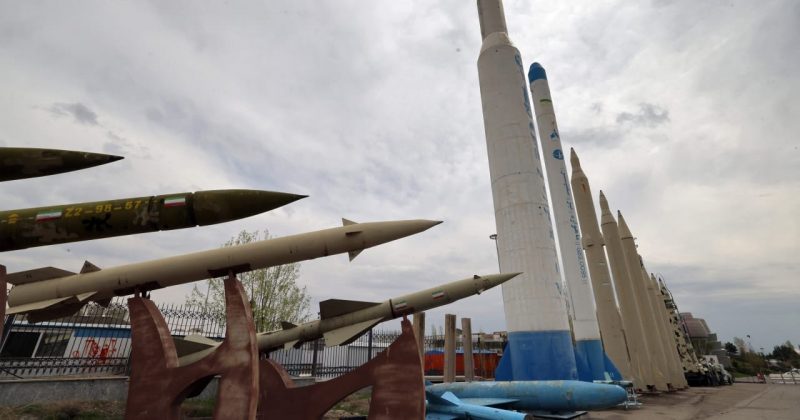
Geopolitical Crisis: Jordan Intercepts Eight Iranian Missiles Aimed at US Bases
The fallout from this interception complicates ongoing diplomatic efforts and significantly shifts the dynamics of international nuclear oversight. As geopolitical instability rises, the ripple effects are expected to impact global markets and the broader macroeconomic landscape, creating uncertainty for investors worldwide.
