Subgraphs vs. Substreams: Which The Graph Tool Should You Use?

Navigating the data landscape of The Graph requires a clear understanding of its core architecture. While Subgraphs remain the industry standard for indexing blockchain data, Substreams are emerging as a high-performance alternative designed to handle massive throughput with unprecedented speed.
Choosing the right tool is critical for Web3 scalability. Subgraphs provide a reliable method for querying structured data, whereas Substreams offer real-time data streaming capabilities, significantly reducing latency and enhancing the overall performance of decentralized applications.
Understand the key differences between Subgraphs and Substreams, The Graph's premier blockchain data solutions. Learn when to deploy each tool to optimize scalability and performance, ensuring your dApp leverages the most efficient data indexing methods available in the ecosystem.
This is a summarized and adapted version by Artificial Intelligence. To read the complete original story, visit the official source.
Read Full Article at Blockchain.newsSupport Jornal Bitcoin
Independent journalism, curated by AI, no clickbait. Keep the flame alive with any amount of BTC.
jonata@walletofsatoshi.comDaily Crypto Brief 📬
Subscribe to receive the curation of the most important Bitcoin and crypto news, summarized by AI. No spam.
Join more than 10,000 smart readers.
Related News
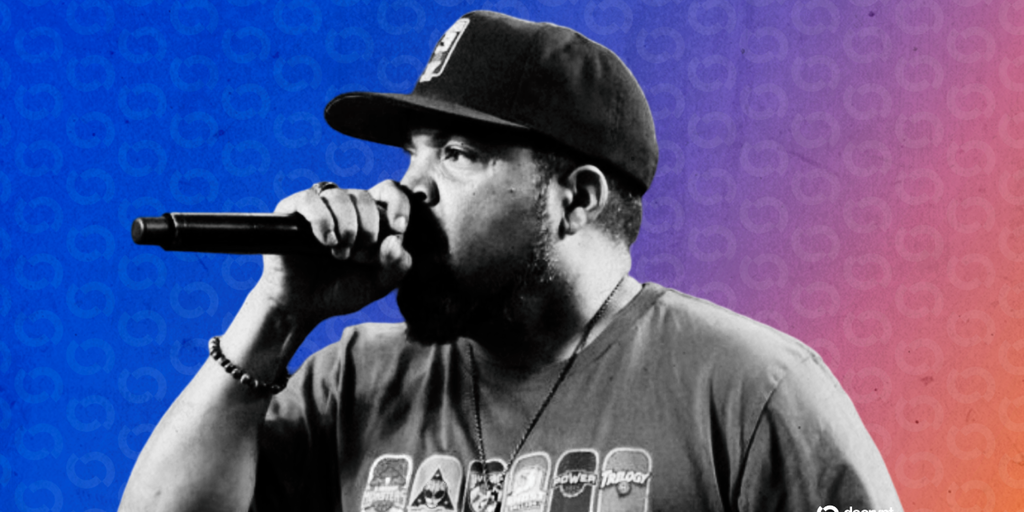
BIG3 Lawsuit: NFT Investors Sue Ice Cube's League Over 'Fraudulent' Marketing
This legal battle highlights the growing tension between Web3 utility promises and actual execution within the sports industry. As the case progresses, it will serve as a significant litmus test for how courts handle claims of unfulfilled promises in the rapidly evolving NFT and digital asset landscape.

Real Estate Revolution: AEREDIUM Joins Lava Sandbox to Test Multi-Rail Blockchain Settlement
Led by the Lava Foundation and Bretagne Holding Limited, this collaborative effort is set to dismantle long-standing settlement barriers in the real estate sector. By testing advanced blockchain infrastructure, AEREDIUM is paving the way for a future where asset tokenization is faster, more secure, and fully interoperable with existing financial systems.

Web3 Expansion: 1win Unveils Native $1WIN Token to Power Its Ecosystem
By leveraging Telegram-based user engagement, the $1WIN token aims to create a seamless connection between player interaction and ecosystem growth. This expansion represents a pivotal shift for 1win as it transitions from a traditional platform to a comprehensive Web3-driven powerhouse in the crypto space.

End of an Era: Yield Guild Games Shuts Down YGG Play Amid Crypto Market Shift
By deciding not to pivot toward the emerging AI data economy, YGG is undergoing a massive structural shift to navigate the current crypto winter. This move highlights the intense pressure on GameFi protocols to find sustainable models as the industry moves away from pure-play publishing toward more resilient operational frameworks.
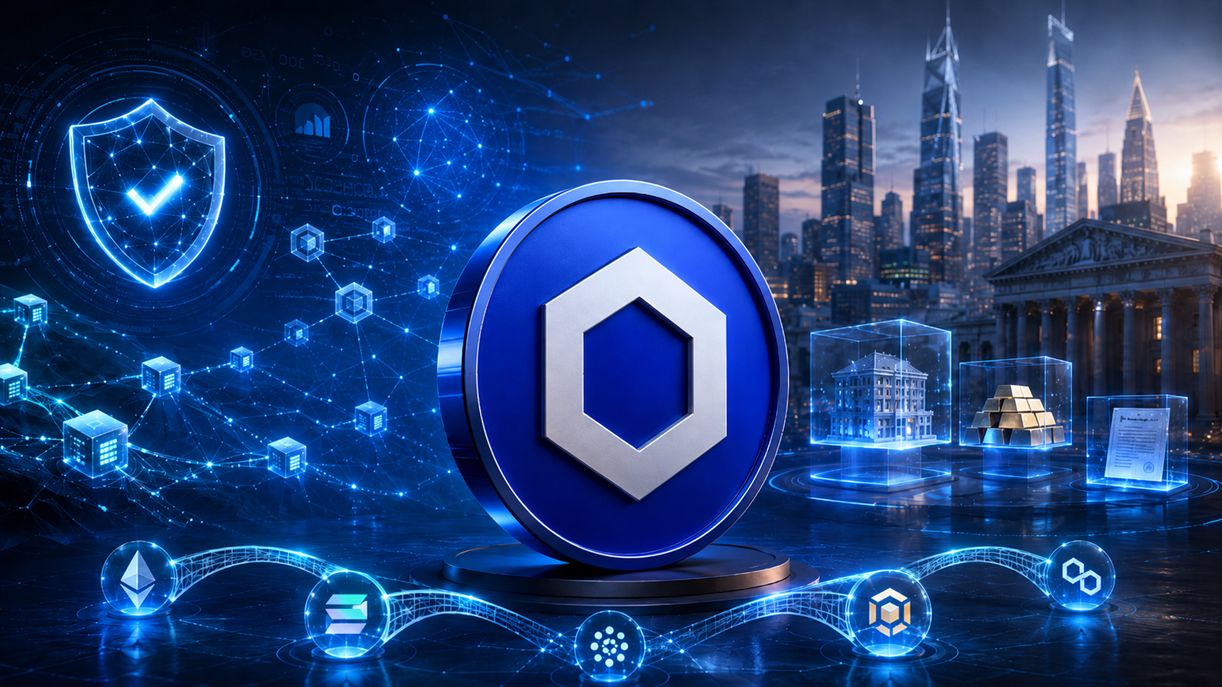
Web3 Gaming Breakthrough: Chainlink CCIP Integration Secures WEMIX Cross-Chain Assets
This strategic move addresses the critical need for interoperability in the gaming sector, reducing the risks associated with traditional cross-chain bridges. As WEMIX adopts the CCIP standard, it paves the way for a more fluid economy where gaming assets can move freely and safely, driving mass adoption within the decentralized gaming landscape.

Regulatory Win: SEC Closes MetaMask Probe, Signaling Green Light for Ethereum Wallets
This development is expected to foster greater innovation within the Web3 space by providing much-needed clarity for developers. As the threat of enforcement actions against wallet providers recedes, the ecosystem for Ethereum staking and on-chain swapping is poised for renewed expansion.
