Stripe and Advent's $53 Billion Bid for PayPal: A Game Changer for Crypto Payments

Stripe and Advent International have launched a massive $53 billion bid to acquire PayPal, marking a 28% premium over Tuesday's closing price. This strategic move signals an unprecedented consolidation in the fintech sector, aiming to unite industry titans and reshape global capital flows.
The implications for the digital asset ecosystem are profound, as the deal would merge two of the most aggressive players in the stablecoin space. This integration is poised to accelerate the adoption of crypto payments and redefine the global financial liquidity infrastructure through cutting-edge technology.
Payments processor Stripe and private equity firm Advent International have offered to buy PayPal for more than $53 billion, representing a 28% premium to Tuesday’s close. As reported by Reuters, the deal would unite two of the most aggressive stablecoin players in the fintech industry.
If the acquisition is finalized, it would represent a paradigm shift in digital money movement. By combining PayPal's massive payment infrastructure with Stripe's technological agility, the resulting conglomerate would be uniquely positioned to lead the transition toward a crypto-asset-based economy and stablecoin-driven commerce.
This is a summarized and adapted version by Artificial Intelligence. To read the complete original story, visit the official source.
Read Full Article at Bitcoin.comSupport Jornal Bitcoin
Independent journalism, curated by AI, no clickbait. Keep the flame alive with any amount of BTC.
jonata@walletofsatoshi.comDaily Crypto Brief 📬
Subscribe to receive the curation of the most important Bitcoin and crypto news, summarized by AI. No spam.
Join more than 10,000 smart readers.
Related News

HBAR Price Alert: Short Squeeze or Final Flush? The 7-Day Outlook
Analysts suggest a 60% probability of a bounce toward the $0.075–$0.08 range within the next 7 days. However, the HBAR price prediction remains volatile; a failure to hold this level could trigger a final flush, making this a critical window for crypto traders to watch.

Energy War Shift: Japan Swaps Iranian Oil for Mexican Crude Amid Global Tensions
This disruption is expected to trigger significant volatility across multiple asset classes, impacting global inflation rates and currency stability. Furthermore, the ripple effects are poised to influence crypto markets, as investors react to the shifting macroeconomic landscape and the search for hedges against energy-driven economic shocks.

Peter Schiff’s New Warning: The Massive Bitcoin Regret Coming for Holders Who Don't Sell Above $60,000
As Bitcoin successfully reclaimed the $65,000 level, Schiff's commentary highlights a shift in how market participants view profit-taking. Despite his historical preference for gold, his insight suggests that the psychological struggle of holding through massive price surges could lead to significant missed opportunities for those failing to manage their Bitcoin positions effectively.

FLOKI Price Alert: Bears Take Control as Traders Eye Critical Stochastic Reversal
Market analysts are closely monitoring a potential stochastic crossover, which could act as the spark for a tactical bounce. For crypto traders, the outcome of this technical battle will determine whether FLOKI can reclaim bullish momentum or if the current bearish trend will deepen further.
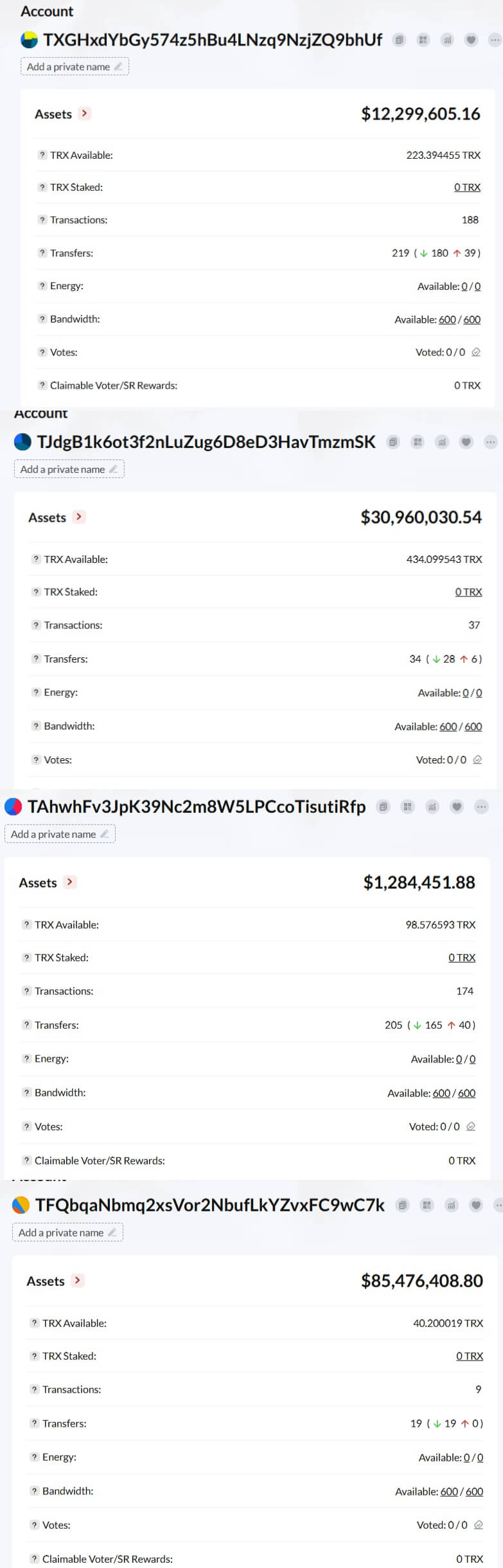
US Weaponizes Tether: Nearly $500 Million Frozen in Iran Sanctions Crackdown
This strategic move highlights the growing intersection of decentralized finance and global geopolitics. By targeting specific wallets on the Tron blockchain, the US government is demonstrating its ability to exert significant pressure on the crypto ecosystem, proving that stablecoins are now a frontline tool in international economic warfare.

Global Standard Alert: US and UK Align Rules for Stablecoins and Tokenization
While these recommendations are not legally binding, they serve as a powerful blueprint for future global standards. By prioritizing interoperability and reducing regulatory fragmentation, this move is expected to bolster institutional confidence and streamline the integration of blockchain technology into the traditional financial system.
