Stake.com Drives Nearly 25% of Polygon’s USDC Use at $27M—Centralization Risk Raises Red Flags

Intel Brief: Stake.com accounts for nearly 25% of Polygon’s USDC usage, totaling about $27M. That concentration meaningfully increases exposure to operational shocks and spotlights a centralization risk.
The real concern is what it means for network stability and investor confidence. When USDC activity is heavily reliant on a single platform, disruptions can ripple into liquidity, continuity of flows, and market perception—turning “usage” into a measurable risk factor for Polygon and its investors. The takeaway: decentralization is core risk management, not a slogan.
Polygon’s USDC ecosystem shows a strong reliance on Stake.com. As reported by Crypto Briefing, the platform represents nearly 25% of Polygon’s total USDC usage—around $27M.
While the number signals adoption and traction, it also raises a key concern: concentration can make the network more vulnerable to operational issues and intensifies centralization worries. In moments of stress, reliance on one (or a small set of) intermediaries may affect stablecoin flow, shape negative risk perception, and ultimately impact investor confidence in Polygon’s ability to remain consistently resilient.
This is a summarized and adapted version by Artificial Intelligence. To read the complete original story, visit the official source.
Read Full Article at Crypto BriefingSupport Jornal Bitcoin
Independent journalism, curated by AI, no clickbait. Keep the flame alive with any amount of BTC.
jonata@walletofsatoshi.comDaily Crypto Brief 📬
Subscribe to receive the curation of the most important Bitcoin and crypto news, summarized by AI. No spam.
Join more than 10,000 smart readers.
Related News

FIFA Drama: Belgium's Appeal Sparks Massive Surge in Solana Meme Token!
As the drama unfolds, a specific Solana meme token has seen a massive surge, fueled by the social media hype surrounding the case. This event underscores how global sports controversies can directly impact decentralized markets and drive speculative interest in niche crypto assets.
$6 Million Drain: Summer Finance Hit by Sophisticated Flash Loan Attack
The attacker leveraged flash loan mechanisms to manipulate market prices, effectively draining significant capital from the protocol in a single transaction. As the fallout continues, this incident reinforces the critical importance of robust smart contract audits and advanced slippage protection to defend against high-frequency liquidity attacks.
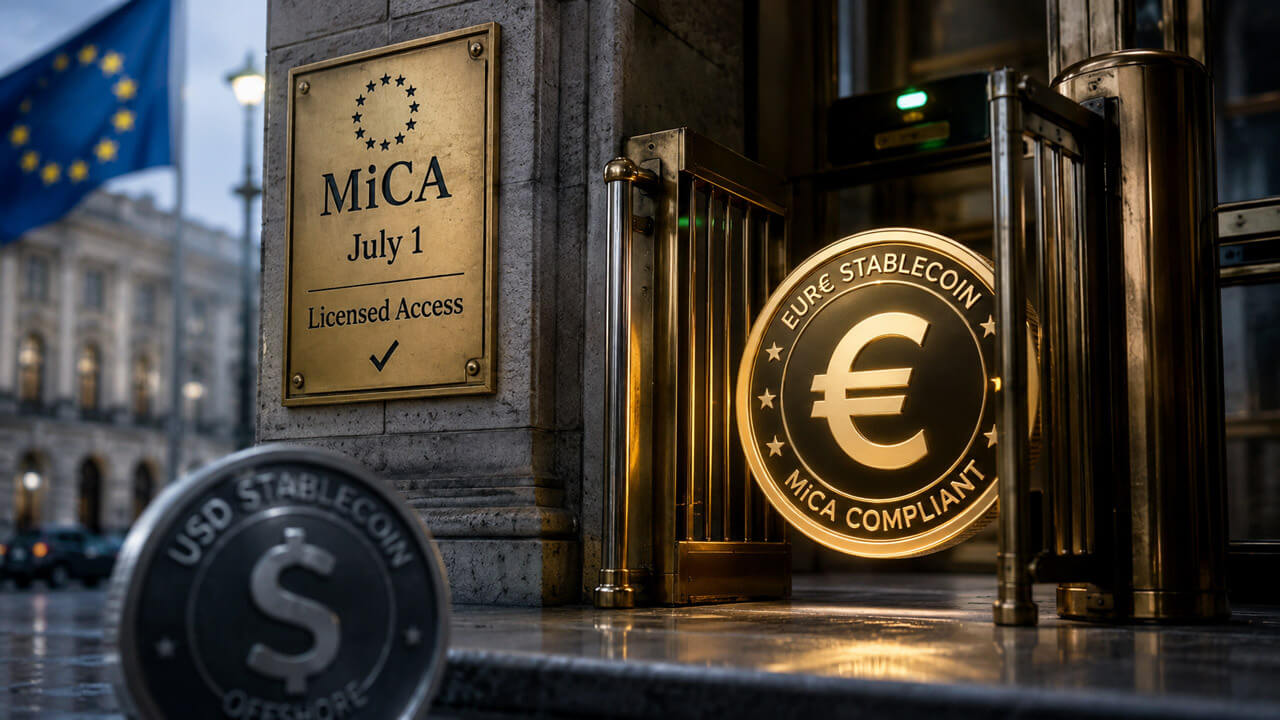
The MiCA Shift: How Banks are Seizing Control of Europe’s Stablecoin Infrastructure
This regulatory evolution brings major banks closer to dominating the stablecoin landscape, potentially centralizing the infrastructure used by everyday consumers. The consequences for decentralized finance (DeFi) and user autonomy remain a critical point of debate as the EU sets the global standard for crypto compliance.
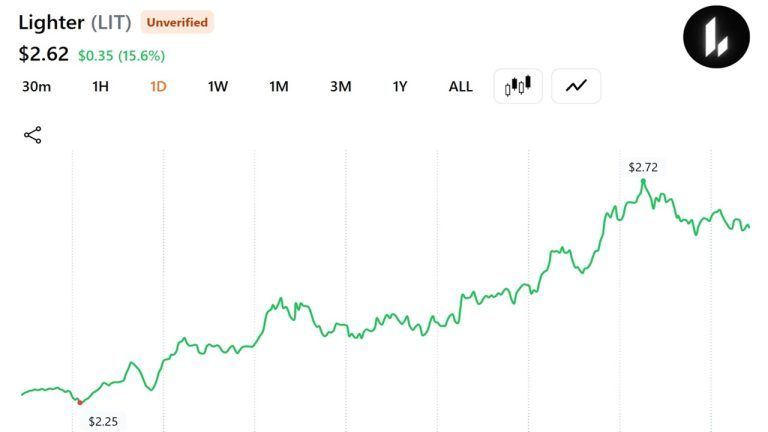
Crypto Blunder: Trader Wipes Out $2 Million in ETH Swap for Lighter Token
The blunder coincided with a period of high volatility, as the Lighter token surged 53% over the week and climbed Coingecko's trending list. This incident highlights the extreme dangers of slippage and poor execution when interacting with trending assets during rapid market rallies.

Trading War: Deribit and SignalPlus Unveil 'The Island' with $600,000 USDC Prize Pool
This strategic move aims to drive massive engagement and liquidity within the crypto ecosystem. By offering substantial rewards in USDC, the competition is set to become a landmark event for derivatives trading, attracting significant attention from institutional and retail participants alike.

Crypto Week Ahead: FOMC minutes hit next, SpaceX lands in Nasdaq 100 — expect volatility
Against that backdrop, the “Crypto Week Ahead” calendar calls for tight monitoring of macro signals and market-moving headlines. When monetary policy guidance (FOMC/rates) collides with high-profile catalysts like SpaceX in the Nasdaq 100, Bitcoin and broader crypto sentiment may see sharper swings, making positioning and risk management more critical than usual.
