SpaceX stock nears IPO price, drops 4% after lockup expiration

SpaceX stock dropped 4% and neared its IPO price following the lockup expiration, highlighting the challenges of maintaining investor confidence amid fluctuating market dynamics and increased selling pressure. This movement reflects the pressures faced by high-growth companies after lockup periods, when initial investors gain permission to sell their shares. The volatility in SpaceX's stock serves as a reminder of the inherent risks in investing in emerging technology companies and the impact of market decisions on investor confidence.
This is a summarized and adapted version by Artificial Intelligence. To read the complete original story, visit the official source.
Read Full Article at Crypto BriefingSupport Jornal Bitcoin
Independent journalism, curated by AI, no clickbait. Keep the flame alive with any amount of BTC.
jonata@walletofsatoshi.comDaily Crypto Brief 📬
Subscribe to receive the curation of the most important Bitcoin and crypto news, summarized by AI. No spam.
Join more than 10,000 smart readers.
Related News

US-Iran Standoff: Conditional Actions Threaten Global Market Stability Amid Blockade Talks
The prolonged uncertainty in diplomatic relations between the US and Iran directly impacts global financial markets, including the cryptocurrency sector where investors seek safe-haven assets. The delicate geopolitical situation demands constant vigilance from traders and analysts, as any developments in the negotiations could trigger significant movements in international markets.

Crypto Dispensers Names Mohamed Abdel Aleem as Chief Compliance Officer Amid Regulatory Push

Pentagon probes munitions stockpile leaks amid rising US-Iran tensions
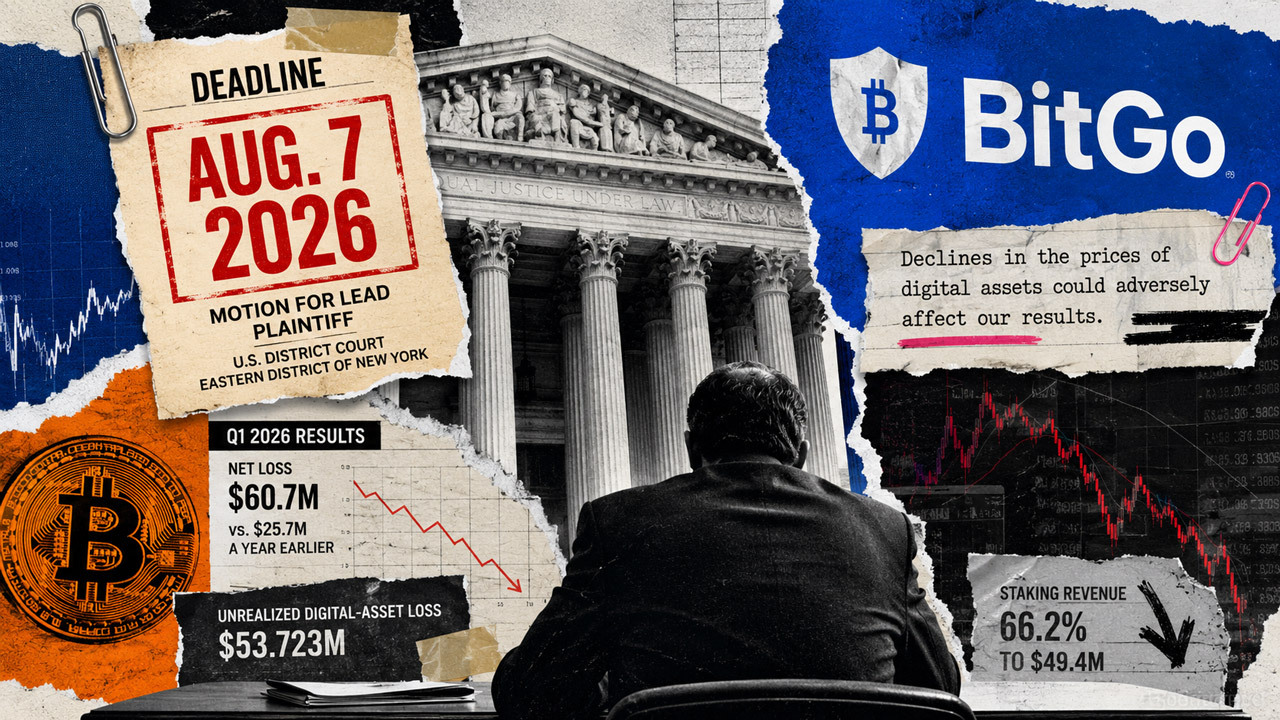
Deadline Looms: BitGo Investors Rush to Meet August 7 Class-Action Lawsuit Deadline
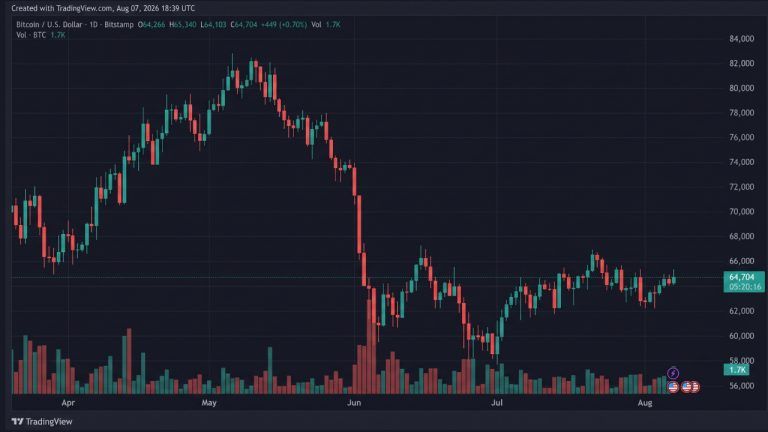
Bitcoin Tops $65,340 as BIP 110 Fight Raises Hard Fork Risk

US Widens Iran Crypto Crackdown with Sanctions on Two Exchanges
The sanctions specifically target financial infrastructure that allows Iran to bypass traditional economic restrictions, using cryptocurrencies for international transactions. This move reflects growing U.S. concerns about digital assets being used to evade sanctions and may lead to increased scrutiny on exchanges operating in regions with international restrictions.
