SpaceX Starship Flight 13 Success Fails to Move SPCX Stock, Trading 15% Below IPO
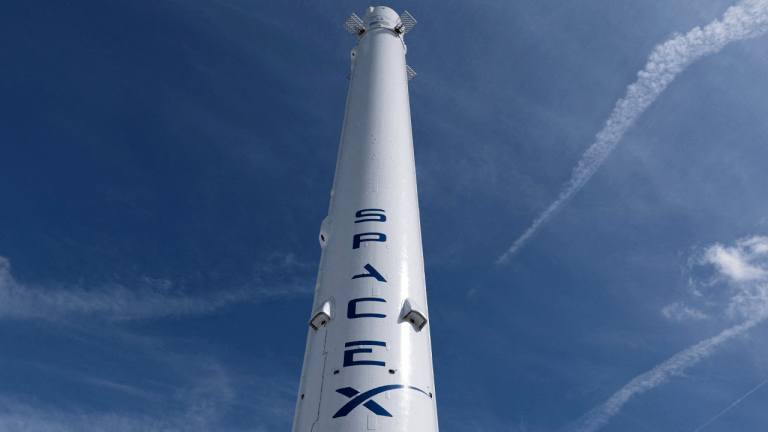
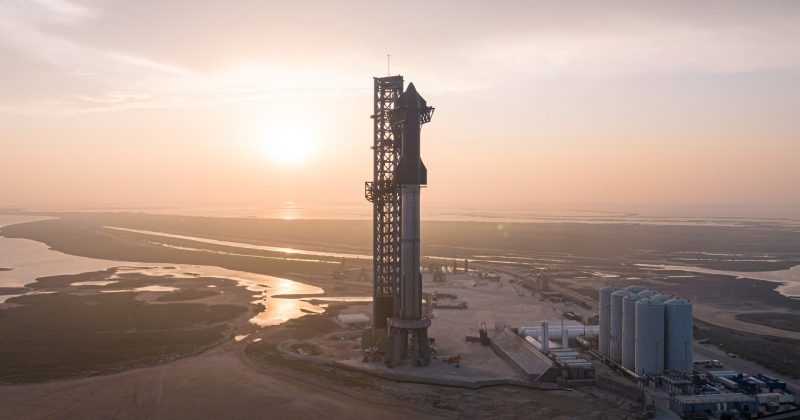
SpaceX successfully executed its 13th Starship test flight, achieving a remarkably smooth ocean splashdown and deploying 20 next-generation Starlink satellites. This mission marks a significant technical milestone in the company's rapid development cycle, proving the reliability of the Starship launch system.
Despite the operational triumph, the financial markets have remained unresponsive, with SPCX shares trading roughly 15% below their June IPO price. This disconnect between Starship mission success and the stagnant SPCX stock performance highlights a unique divergence in investor sentiment regarding the aerospace giant.
SpaceX completed its 13th test flight on July 24, deploying 20 next-generation Starlink satellites and achieving its smoothest ocean splashdown yet. Despite the success, shares of the firm (Nasdaq: SPCX) barely budged, still trading roughly 15% below their June IPO price.
While described as a mostly clean test, the mission did encounter one failure during the Starship and Super Heavy separation sequence. Nevertheless, the deployment of Starlink assets underscores the growing utility of the Starship platform for global connectivity.
This is a summarized and adapted version by Artificial Intelligence. To read the complete original story, visit the official source.
Read Full Article at Bitcoin.comSupport Jornal Bitcoin
Independent journalism, curated by AI, no clickbait. Keep the flame alive with any amount of BTC.
jonata@walletofsatoshi.comDaily Crypto Brief 📬
Subscribe to receive the curation of the most important Bitcoin and crypto news, summarized by AI. No spam.
Join more than 10,000 smart readers.
Related News

Bitcoin Breaks Free from AI Stocks, but $96 Oil Could Turn the Escape Into a Trap
However, a massive macroeconomic threat looms: oil prices hitting $96. Should energy costs drive inflation higher, the resulting market pressure could turn this recent decoupling into a liquidity trap, forcing Bitcoin back into a correlation with traditional risk assets.
SpaceX Crisis? Booster Failure and Stock Slump Highlight Starship V3 Dilemma
The broader implications are severe, as the company's stock has plummeted 42% since its IPO. The Starship V3 dilemma represents a pivotal moment for the firm, as it must balance the ambitious expansion of the Starlink constellation with the high-stakes engineering challenges and financial pressures of its heavy-lift launch vehicle program.
SpaceX Starship Launch Follows Record IPO as Crypto Platforms Drive Share Tokenization
Simultaneously, a significant shift is occurring in asset accessibility as crypto platforms begin to tokenize shares for retail investors. By leveraging blockchain technology, these platforms are breaking down traditional barriers, allowing smaller players to participate in the ownership of high-value companies like SpaceX.
Investor Uncertainty: SpaceX's Massive AI Pivot Under Elon Musk Sparks Debate
This tension is fueled by mounting losses within the AI landscape, which stand in stark contrast to the company's proven aerospace revenues and recent record-breaking IPO. The market is now questioning whether this pivot will catalyze innovation or simply jeopardize the financial stability established by SpaceX's core space missions.

Market Alert: Surging Oil and Treasury Yields Threaten to Kill the Crypto and Stock Rally
This shift highlights a growing tension between energy-driven inflation and high interest rates. The convergence of expensive oil and rising yields creates a liquidity squeeze that could fundamentally alter the trajectory of both the crypto market and traditional equities in the coming weeks.
End of an Era? SpaceX Scales Back Falcon 9 to Fuel the Starship Revolution
This shift from Falcon 9 to Starship represents a fundamental transformation in space economics. By prioritizing the Starship architecture, SpaceX is positioning itself to lead a new era of massive-scale space logistics, moving beyond current capabilities to unlock unprecedented access to deep space and orbital infrastructure.
