SpaceX and AST SpaceMobile Target $6B Spectrum Licenses to Revolutionize Satellite Phone Services
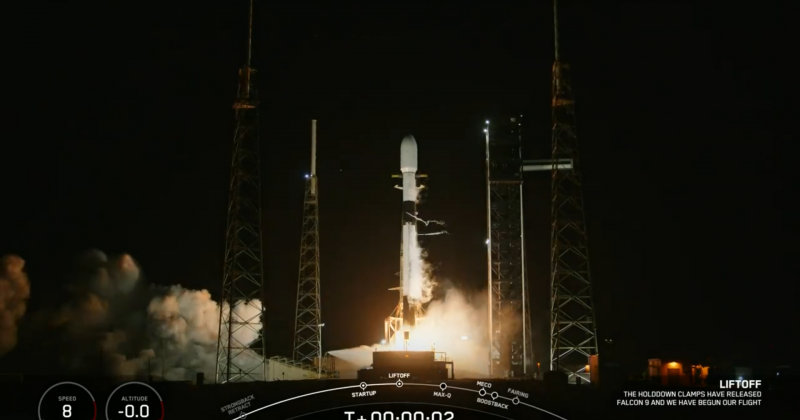
SpaceX and AST SpaceMobile are aggressively pursuing $6 billion in 800 MHz spectrum licenses, aiming to reshape mobile telecommunications through enhanced satellite-to-phone connectivity. This strategic partnership promises to revolutionize global communication, particularly in remote and hard-to-reach areas where traditional infrastructure falls short. The acquisition of these spectrum licenses would mark a milestone in the telecommunications industry, making commercial satellite voice services a viable reality. With massive investments and cutting-edge technology, the companies seek to challenge traditional operators and create a new era of universal connectivity, potentially generating a multi-billion dollar market and redefining the future of mobile communications.
This is a summarized and adapted version by Artificial Intelligence. To read the complete original story, visit the official source.
Read Full Article at Crypto BriefingSupport Jornal Bitcoin
Independent journalism, curated by AI, no clickbait. Keep the flame alive with any amount of BTC.
jonata@walletofsatoshi.comDaily Crypto Brief 📬
Subscribe to receive the curation of the most important Bitcoin and crypto news, summarized by AI. No spam.
Join more than 10,000 smart readers.
Related News

Nvidia Shells Out $6B for AI Models from Poolside, Invests $1B in Startup
The partnership between Nvidia and Poolside represents a milestone in the race for AI leadership, with the acquisition of cutting-edge technology that could potentially accelerate advances in generative AI and software development. The massive investment reflects Nvidia's confidence in the exponential growth potential of the AI sector, while establishing a new valuation benchmark for innovative startups within the global technology ecosystem.

CME, Kalshi Execs Clash in Heated DC Showdown Over Prediction Markets
The heated exchange between Duffy and Lara underscores the growing tensions in the global financial landscape, where established institutions like CME Group push for stringent regulations to protect traditional markets, while innovative companies like Kalshi seek to advance through prediction market technologies. This confrontation transcends corporate rivalry, pointing toward a future where financial regulation and technological innovation must find a delicate balance to benefit both investors and consumers.
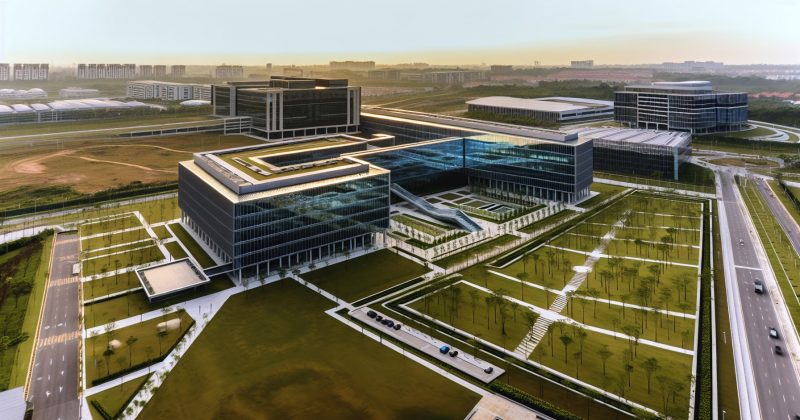
AT&T slashes Anthropic costs by up to 90% with aggressive open source AI pivot
AT&T's initiative extends beyond mere expense reduction, strengthening data security and operational autonomy in an increasingly technology-dependent ecosystem. This open-source approach is influencing AI strategies across the entire industry, compelling other companies to reassess their AI implementation models. With growing focus on efficiency and technological sovereignty, AT&T is setting a precedent that could reshape corporate partnerships with AI providers, opening new possibilities for decentralized innovation and large-scale cost savings.
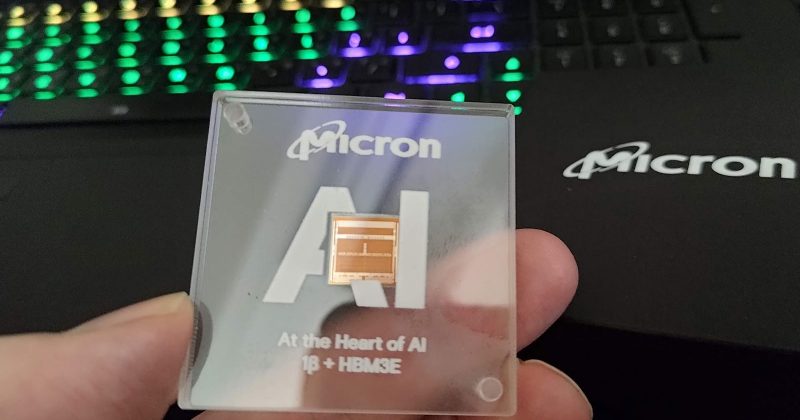
Micron's $10B Bet: US Memory Research Lab to Challenge Global Tech Giants
Micron's massive investment promises not only to create thousands of high-tech jobs but also represents a calculated move to compete with global memory industry giants. With surging demand for memory chips in AI, blockchain, and data centers, this strategic play could reshape the American tech landscape and solidify the US position as a global leader in semiconductor innovation.
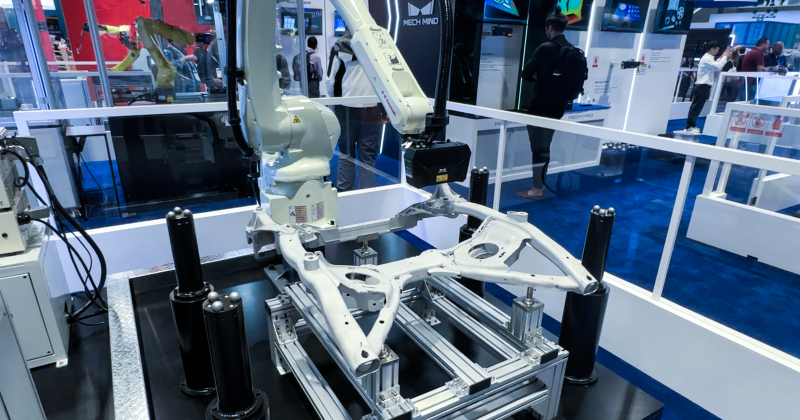
Mech-Mind Robotics poised for $300M Hong Kong IPO amid AI robotics boom

OKX spends $6M-$8M monthly on AI while restricting Claude use in Hong Kong
This move by OKX underscores the growing importance of AI in the cryptocurrency sector and may pose a challenge to Anthropic's market positioning in regions with stringent regulations. While the company seeks technological innovation, it also navigates geopolitical and compliance challenges, reflecting the tension between global AI adoption and regional restrictions that could shape the future of fintechs and crypto exchanges.
