Crypto Crackdown: South Korea Probes 40 Cases of Market Manipulation
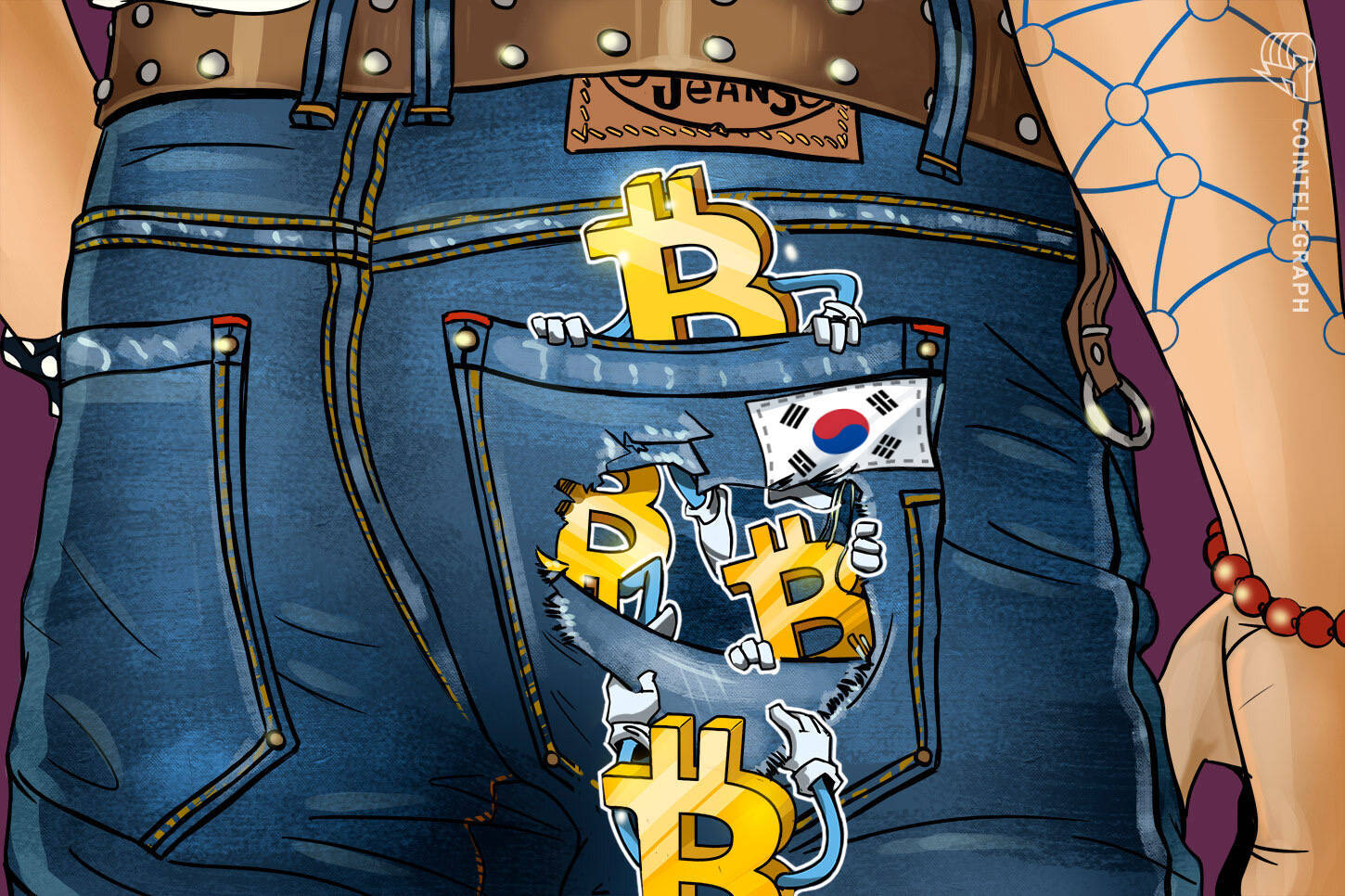
South Korean financial authorities have uncovered a surge in illicit activities, launching investigations into over 40 cases of market manipulation and fraudulent crypto trading over the past two years. Led by the Financial Services Commission (FSC), this crackdown aims to fortify the Virtual Asset User Protection Act and safeguard the integrity of the digital asset ecosystem.
Since the enforcement of new regulations in July 2024, authorities have already identified 25 suspects involved in high-stakes financial crimes. With average unlawful gains reaching nearly $940,000 per case, the South Korean government is sending a clear message: crypto manipulation and unfair trading practices will no longer go unpunished in one of the world's most active digital markets.
Following the enactment of the Virtual Asset User Protection Act, 30 of these cases were referred to investigative agencies, leading to the identification of 25 suspects since July 2024. Lee noted that the average unlawful gains from these activities amounted to approximately 1.4 billion Korean won ($940,000), highlighting the significant scale of the fraudulent operations being targeted by regulators.
This is a summarized and adapted version by Artificial Intelligence. To read the complete original story, visit the official source.
Read Full Article at CoinTelegraphSupport Jornal Bitcoin
Independent journalism, curated by AI, no clickbait. Keep the flame alive with any amount of BTC.
jonata@walletofsatoshi.comDaily Crypto Brief 📬
Subscribe to receive the curation of the most important Bitcoin and crypto news, summarized by AI. No spam.
Join more than 10,000 smart readers.
Related News
Industry Warning: Stripping CLARITY Act Section Could Trigger Massive First Amendment Battle
This legislative friction threatens to ignite a constitutional showdown centered on First Amendment rights. Beyond the legal battles, experts warn that stripping these protections will drive open-source developers and crypto innovators out of the U.S., potentially ceding technological leadership to more progressive global jurisdictions.

Nigeria Takes Charge: President Signs Executive Order to Regulate Crypto and Taxes
This regulatory overhaul will foster cooperation between financial, revenue, and capital market agencies to ensure responsible innovation within the digital economy. As Nigeria's tax authority prepares to update its policies on digital assets, the move marks a significant step toward integrating virtual assets into the country's formal financial framework.
Closing the Loopholes: FATF Warns Incomplete Crypto Regulations Are Fueling Illicit Finance
Central to this warning is the misuse of stablecoins and the growing threat posed by offshore Virtual Asset Service Providers (VASPs). The FATF is calling for intensified global oversight to prevent digital assets from being weaponized by bad actors and to ensure that the crypto ecosystem remains compliant with international financial standards.

South Korea Set to Fast-Track CBDC Pilot: Phase Two Launch Expected in September
By integrating regional lenders like Kyongnam Bank and iM Bank, the initiative aims to broaden the ecosystem of blockchain-based wholesale settlements. The project utilizes a central bank-issued CBDC to settle commercial bank deposit tokens, creating a seamless bridge for consumers to utilize digital assets for everyday transactions and real-world economic utility.

South Korean Regulators Launch Sanctions Against Dunamu Following $36M Upbit Hack
The investigation highlights a significant regulatory gap within South Korea’s Virtual Asset User Protection Act, which currently lacks explicit sanction provisions for hacking and computer system breaches. As authorities navigate this legal ambiguity, the outcome of this case will likely shape the future of crypto regulation and exchange liability in one of the world's most active digital asset markets.

South Korea Expands Access for Foreigners to Trade Won-Denominated Bonds
This policy shift is designed to boost market liquidity and deepen the integration of South Korea's financial ecosystem with the global economy. By easing the entry for foreign institutional players, the nation is positioning itself as a more accessible and competitive hub for international bond trading and currency-denominated debt.
