US Senator Dismisses Crypto as Economic Threat During Senate Affordability Hearing
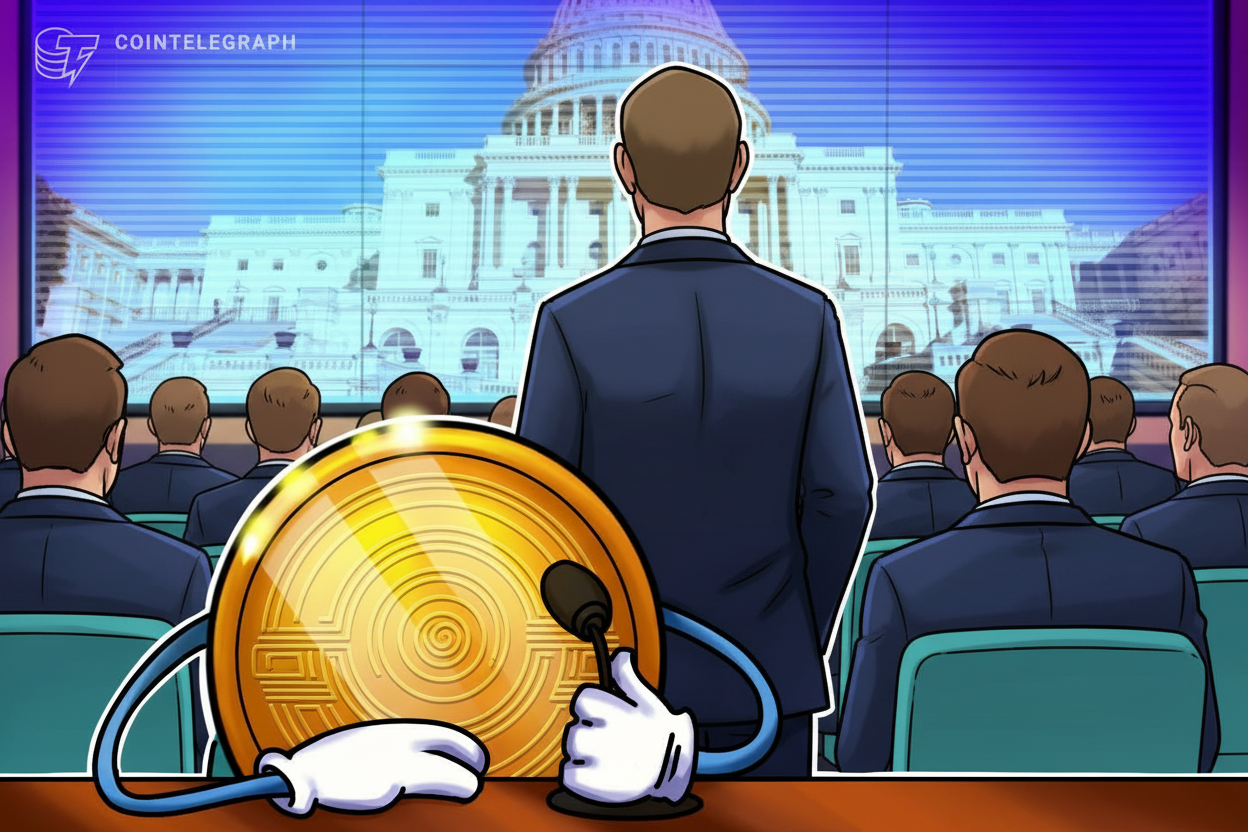
During a recent Senate Banking Committee hearing on affordability, Senator John Kennedy largely dismissed the arguments presented by crypto advocates regarding the role of digital assets in the US economy. Cody Carbone, CEO of The Digital Chamber, attempted to pitch the digital asset industry as a solution to high transaction costs and systemic inefficiencies.
While Carbone emphasized that crypto could provide competitive pressure on traditional payment systems and lower barriers to asset ownership, the legislative response was notably muted. Although Senator Tim Banks raised questions regarding the cost-efficiency of USD-pegged stablecoins for foreign remittances, the broader political consensus appeared indifferent to the potential impact of blockchain technology on national affordability agendas.
In the hearing titled 'The Affordability Agenda,' Carbone argued that the digital asset industry could help solve affordability issues in the United States by facilitating faster and cheaper transactions, exerting 'competitive pressure' on existing payment systems, and reducing barriers to owning and transferring assets. However, most lawmakers present did not directly question Carbone or inquire about digital assets, with the notable exceptions of Indiana Senator Tim Banks, who asked about the costs of foreign remittances versus stablecoins, and Senator Kennedy, who dismissed the testimony.
This is a summarized and adapted version by Artificial Intelligence. To read the complete original story, visit the official source.
Read Full Article at CoinTelegraphSupport Jornal Bitcoin
Independent journalism, curated by AI, no clickbait. Keep the flame alive with any amount of BTC.
jonata@walletofsatoshi.comDaily Crypto Brief 📬
Subscribe to receive the curation of the most important Bitcoin and crypto news, summarized by AI. No spam.
Join more than 10,000 smart readers.
Related News

Euro Revolution: ECB Selects 36 Firms for 2027 Digital Euro Pilot
This pilot program is poised to reshape Europe's payment landscape by providing a sovereign alternative to non-European payment networks. Furthermore, the rollout of the digital euro is expected to create significant ripple effects for euro-denominated stablecoins, potentially shifting the competitive balance within the digital asset ecosystem.
Bitcoin on Edge: US CPI Report Set to Trigger Massive Volatility
Growing fears regarding Fed rate decisions are creating a macro environment of uncertainty. As the market weighs the implications of inflation on monetary policy, the Bitcoin price action is expected to react sharply to any deviation from consensus expectations.

Digital Euro Fast-Track: ECB Selects 36 Major Players for Beta Testing
This pilot program serves as a vital precursor to the broader digital euro rollout expected in 2027. By involving both agile fintechs and traditional banking institutions, the ECB aims to stress-test the infrastructure and ensure the new CBDC can seamlessly integrate into the existing financial landscape while maintaining stability and security.
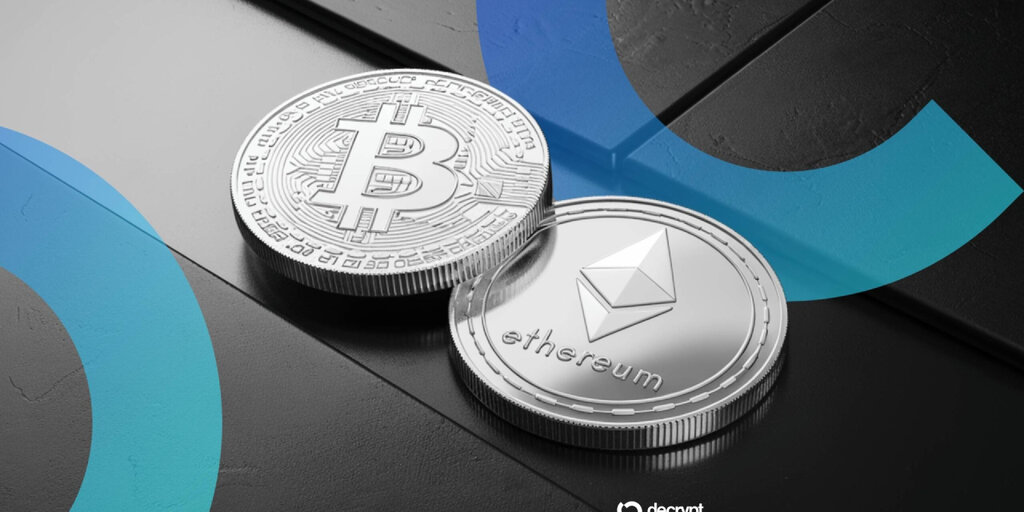
Massive Crypto Shift: US Government Moves $288M in Seized Assets to Coinbase Prime
While the transfer stops short of an actual sale, it has reignited intense scrutiny regarding political pledges, specifically Donald Trump's 'no-sell' promise. The movement of these seized coins could influence market sentiment and raises critical questions about how the US government intends to handle large-scale crypto liquidations in the future.

U.S.-Iran Escalation Hits Bitcoin and Stocks as Oil Prices Surge
With oil prices climbing in response to the Middle East instability, the macroeconomic fallout could intensify the pressure on Bitcoin. The interplay between energy security and market liquidity suggests that this geopolitical friction will remain a primary driver of market volatility in the near term.

UK Crypto Tax Revolution: 'No Gain, No Loss' Rule for Lending Set for 2027
This policy change is expected to act as a catalyst for increased participation in crypto lending, potentially reshaping market demand and investor sentiment. By lowering the tax friction associated with DeFi contexts, the UK is positioning itself as a more competitive hub for decentralized finance and digital asset innovation.
