US Senate Unveils Updated Clarity Act Featuring Ethics Rules and Developer Protections
The US Senate has released an updated version of the Clarity Act, incorporating strict ethics rules for public officials and essential protections for crypto developers. This legislative shift aims to bolster market integrity by addressing potential conflicts of interest and providing a clearer legal framework for the growing digital asset industry.
However, the path to final approval for the Clarity Act remains uncertain as lawmakers seek a broader consensus. The outcome of this bill will be a pivotal moment for crypto regulation in the United States, potentially setting the standard for how government oversight interacts with blockchain innovation and software development.
The US Senate has unveiled a new iteration of the Clarity Act, introducing significant updates that could reshape the crypto landscape. The revised text includes a stringent ethics rule for public officials to prevent conflicts of interest, alongside specific legal protections designed for software developers.
While this progress marks a major step toward regulatory clarity, final approval still hinges on reaching a political agreement. The industry is closely watching to see if the final version can successfully balance government oversight with the need to foster technological innovation within the digital asset ecosystem.
This is a summarized and adapted version by Artificial Intelligence. To read the complete original story, visit the official source.
Read Full Article at Portal do BitcoinSupport Jornal Bitcoin
Independent journalism, curated by AI, no clickbait. Keep the flame alive with any amount of BTC.
jonata@walletofsatoshi.comDaily Crypto Brief 📬
Subscribe to receive the curation of the most important Bitcoin and crypto news, summarized by AI. No spam.
Join more than 10,000 smart readers.
Related News

Tesla’s Q2 2026 Earnings: Why Bitcoin Holders Are Watching Closely
Beyond traditional metrics, the spotlight is firmly on Tesla's Bitcoin holdings. The strategic management of these digital assets remains a critical variable that could drive massive market shifts, linking the performance of tech giants directly to the broader cryptocurrency landscape.
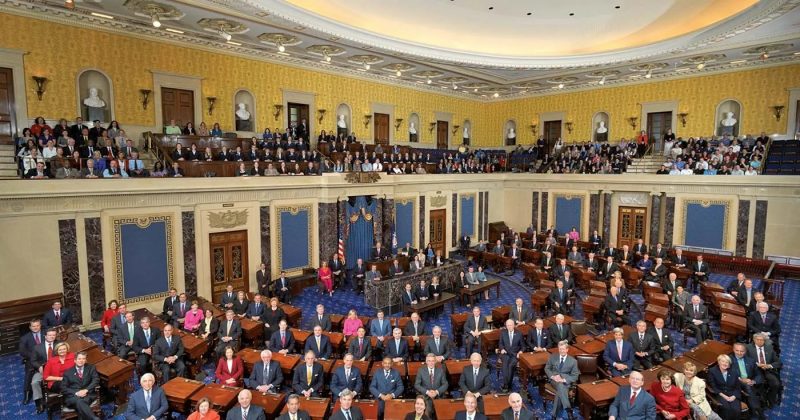
End of State Crypto? Senate Reviews Bill Banning Presidential Digital Currencies
As the regulatory landscape shifts, market sentiment remains bullish on decentralized alternatives. Speculation is mounting that the push for decentralization could propel Bitcoin toward a staggering $200,000 by December 31, 2026, as investors seek refuge from potential government-led monetary manipulation.

Crypto Ban for Politicians? CLARITY Act Proposes Strict Ethics Rules for US Officials
By targeting potential conflicts of interest, the CLARITY Act aims to prevent public servants from profiting personally from crypto ventures. The legislation also extends its reach to crypto platforms, strictly prohibiting them from listing any assets issued or sponsored by federal employees or their spouses, marking a new era of oversight in the digital asset market.
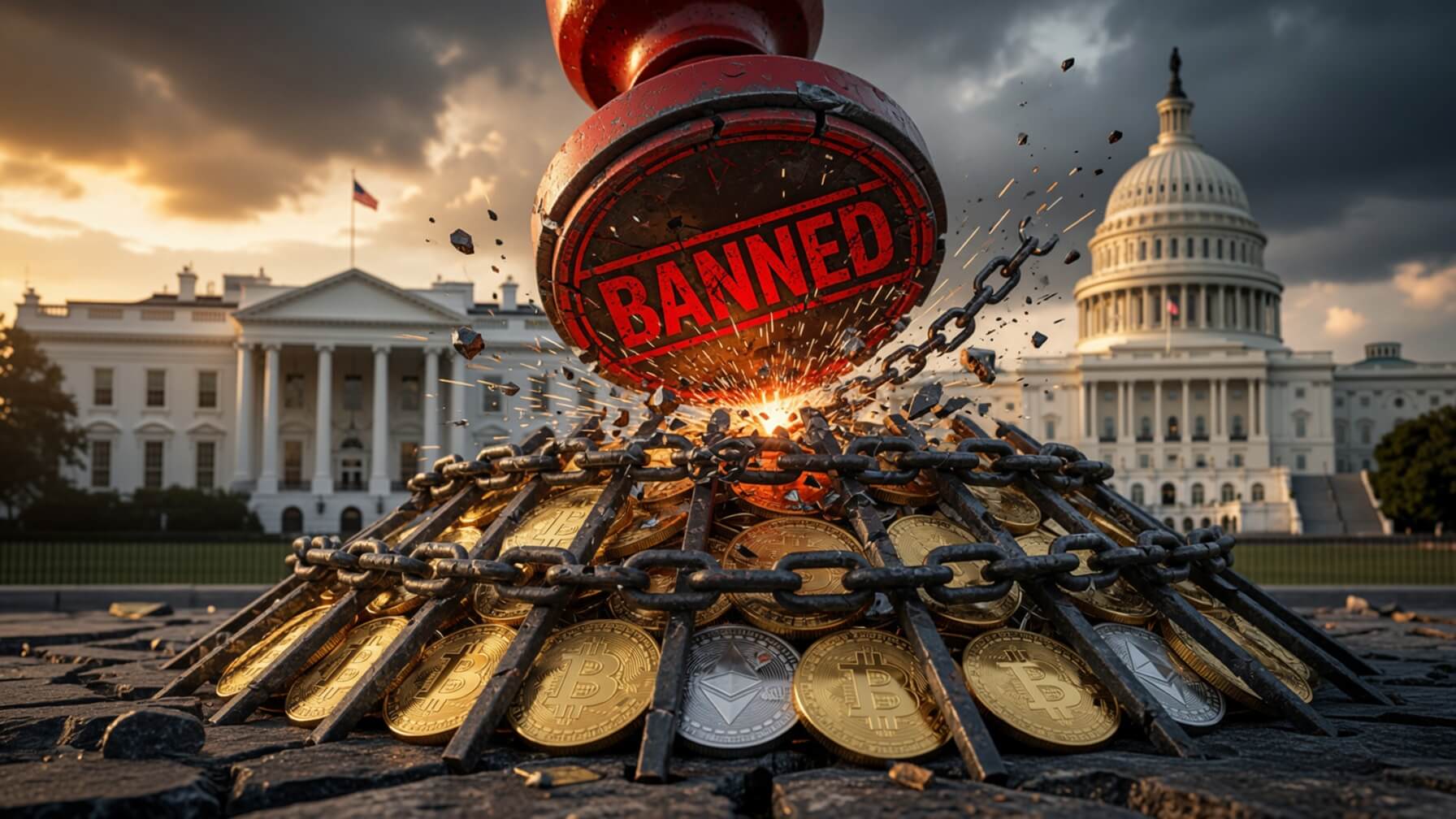
CLARITY Act Update: US Officials and Presidents Banned from Holding Crypto Tokens
This legislative push seeks to establish a comprehensive federal market-structure framework for digital assets within the United States. As the proposal moves forward, it signals a major shift in how the crypto market will be regulated and how institutional governance will interact with the evolving digital asset landscape.
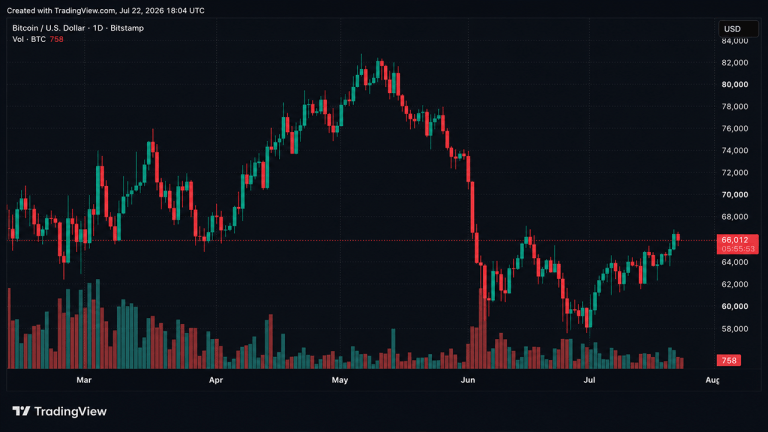
Senate Showdown: Republicans Push CLARITY Act as Bitcoin Fights to Hold $66K
This regulatory friction is contributing to heightened intra-day volatility, as investors weigh the implications of the CLARITY Act on market stability. After nearly breaching the $67,000 mark recently, Bitcoin's inability to hold key support levels highlights the direct link between political developments and crypto market sentiment.
Clarity Act Update: New Draft Bars Trump from Crypto Ventures Until 2029
While the bill provides much-needed protection for non-custodial developers, the ethics ban is not permanent, set to expire in 2029. Furthermore, the burden of enforcement rests entirely with the Department of Justice (DOJ), leaving the long-term impact of these regulations on political involvement in the digital asset space to be determined.
