AI Exploit Threat: Secret Network Proposes Move to Arbitrum to Combat New Security Risks

Secret Network, the privacy-centric layer-1 blockchain, has proposed a major strategic shift from the Cosmos ecosystem to Ethereum layer-2 Arbitrum. This pivot is driven by an evolving threat landscape where artificial intelligence is significantly lowering the barrier for sophisticated cyberattacks.
The core concern lies in the rising efficiency of AI-driven exploits targeting legacy codebases. By migrating to Arbitrum, Secret Network aims to mitigate the risks posed by automated code analysis, ensuring that its privacy-preserving smart contracts remain secure against the next generation of AI-powered hackers.
Secret Network, a privacy-focused layer-1 blockchain, is proposing a move from its long-standing home on Cosmos to the Ethereum layer-2 solution, Arbitrum. The team cited a rapidly changing security environment as the primary driver for this transition.
“The security risk is the part we take most seriously,” the team stated, highlighting the dangers posed by modern technology. “Old code is becoming dramatically easier to analyze… With AI, the cost of attacking stale code is falling across the board.” Having operated privacy-preserving smart contracts on Cosmos since 2020, the network is now adapting to a world where AI tools make exploiting outdated code significantly cheaper and more efficient.
This is a summarized and adapted version by Artificial Intelligence. To read the complete original story, visit the official source.
Read Full Article at CoinTelegraphSupport Jornal Bitcoin
Independent journalism, curated by AI, no clickbait. Keep the flame alive with any amount of BTC.
jonata@walletofsatoshi.comDaily Crypto Brief 📬
Subscribe to receive the curation of the most important Bitcoin and crypto news, summarized by AI. No spam.
Join more than 10,000 smart readers.
Related News

Massive $19 Billion Deal: Terawulf Secures 20-Year AI Infrastructure Lease with Anthropic
By divesting Texas-based assets and refocusing on large-scale AI data center capabilities, Terawulf is positioning itself at the epicenter of the compute gold rush. This strategic move highlights the growing convergence between Bitcoin mining infrastructure and the high-performance computing requirements of leading AI developers like Anthropic.

MediaFuse Expands Beyond Crypto with TechnologyWire to Feed AI and Search Engines
By introducing TechnologyWire, MediaFuse strengthens its massive distribution ecosystem, which already features Chainwire, CyberNewsWire, GamingWire, and FinanceWire. This strategic expansion positions the company at the intersection of traditional media and the AI revolution, providing tech companies with the tools needed to influence both human readers and machine learning models.

The Silent Revolution: How AI is Reshaping Legal Drafting Standards
However, the integration of AI brings significant challenges that demand immediate attention. While the technology promises to reduce human error, it simultaneously raises profound ethical questions regarding professional liability and the integrity of legal processes, forcing the industry to balance technological innovation with regulatory compliance.

Science Fiction or Reality? Why Hollywood is Bringing Back the Terminator to Combat the AI Surge
As AI capabilities evolve at an unprecedented pace, the cultural zeitgeist is turning back to iconic sci-fi tropes to process the existential implications of automation. This shift reflects a growing societal anxiety that the 'Terminator' scenario is no longer a distant fantasy, but a looming technological milestone.
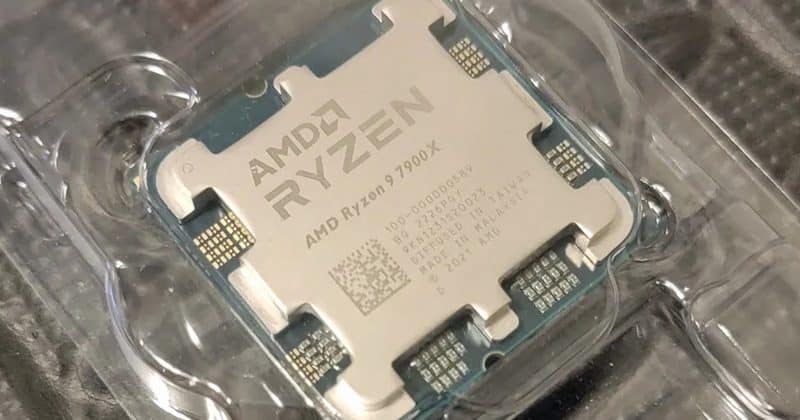
AMD Stock Plummets: Is the Semiconductor Selloff Killing the AI Hype?
This downturn underscores a growing demand for realistic valuations, moving away from the unsustainable AI hype that has dominated recent market cycles. As the semiconductor sector undergoes this correction, investors are recalibrating their strategies to account for more grounded growth projections in the artificial intelligence space.

Regulatory Masterstroke? OpenAI Proposes 5% Stake to US Government Amid IPO Delays
The implications of this proposal extend far beyond OpenAI's balance sheet, potentially setting a global precedent for how AI industry-government collaborations function. As the company navigates the complexities of going public, this move could fundamentally alter the landscape of AI governance and institutional oversight.
