Russia’s Banking Giant Sberbank Targets Crypto Trading Infrastructure Launch by December
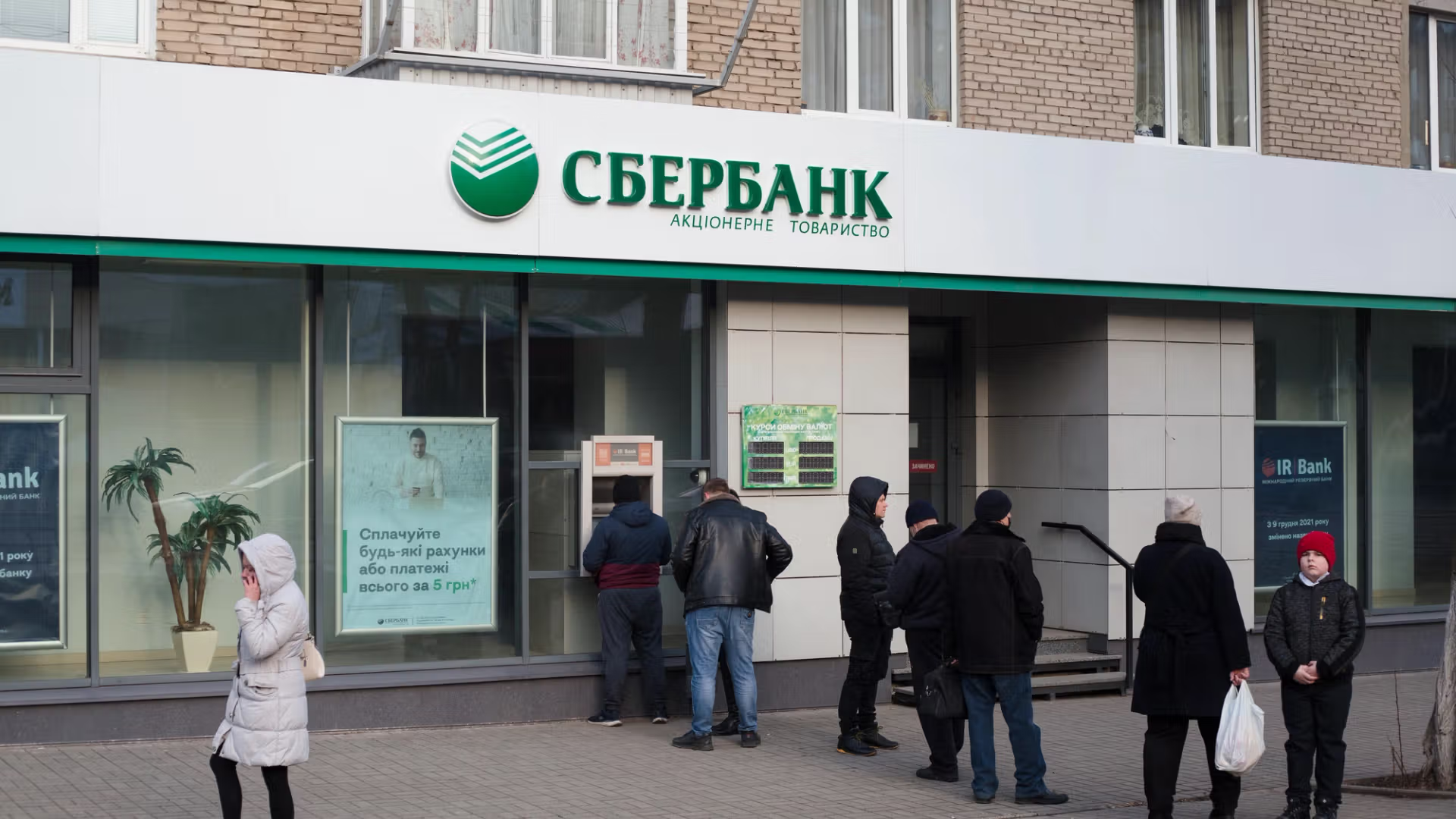
Sberbank, Russia's largest banking institution, is moving aggressively to deploy a dedicated crypto trading infrastructure by December. This strategic pivot aligns with a sweeping overhaul of the nation's digital asset framework, aiming to integrate cryptocurrency trading directly into the traditional financial bloodstream.
As new regulations governing crypto trading, custody, and settlement take effect on September 1, the Russian market is entering a period of rapid formalization. Although strict licensing requirements for intermediaries won't be enforced until July 2027, Sberbank's proactive stance suggests a race to secure market dominance within the evolving crypto ecosystem.
Russia's largest bank, Sberbank, is planning to roll out a crypto trading infrastructure by December. This development follows the announcement of new regulatory frameworks in Russia designed to oversee crypto trading, custody, and settlement, which are set to take effect on September 1. While the government has outlined a transition period—with full licensing requirements for intermediaries not applying until July 2027—Sberbank's decision to move now highlights the intense competition to establish a foothold in the regulated digital asset space.
This is a summarized and adapted version by Artificial Intelligence. To read the complete original story, visit the official source.
Read Full Article at CoinDeskSupport Jornal Bitcoin
Independent journalism, curated by AI, no clickbait. Keep the flame alive with any amount of BTC.
jonata@walletofsatoshi.comDaily Crypto Brief 📬
Subscribe to receive the curation of the most important Bitcoin and crypto news, summarized by AI. No spam.
Join more than 10,000 smart readers.
Related News

AS Roma's Santiago Castro Pursuit Could Trigger Fan Token Market Volatility
The pursuit of Castro is expected to ripple through the fan token markets, potentially driving increased engagement and speculative interest in ASR tokens. As the club strengthens its squad, the intersection of football transfers and crypto-asset demand highlights the growing influence of fan tokens in the modern sports landscape.
$1.32 to $3.75: Nine Top AI Models Predict XRP’s 2026 Finish, One Breaks Away
This predictive intelligence comes at a critical juncture of institutional adoption and evolving regulatory frameworks. As investors weigh bullish and bearish arguments, the convergence of artificial intelligence and digital asset analysis is becoming the primary tool for navigating the volatility expected in the XRP ecosystem through 2026.

Eintracht Frankfurt pays 3x market value for Brazilian star, but crypto is missing from the deal
Crucially, the deal highlights a glaring absence of crypto integration within this high-profile transaction. Despite the massive capital flow, the lack of crypto involvement in such a significant signing suggests that the deep integration of blockchain-based sponsorships in major football transfers still faces untapped potential.
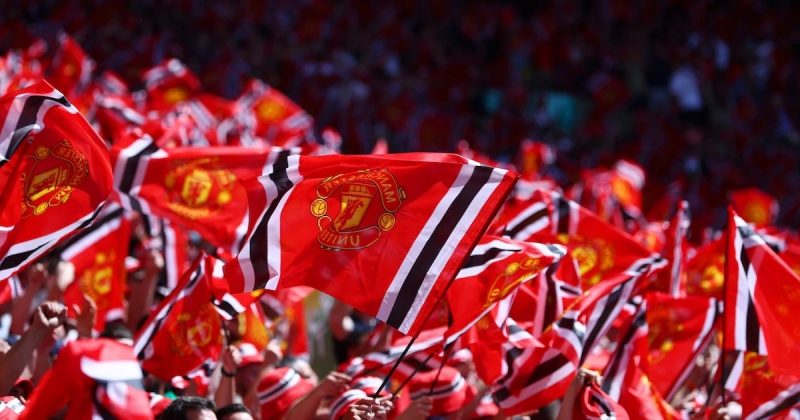
Manchester United’s Post-Tezos Era: Is the Crypto Sponsorship Boom in Football Over?
This transition highlights the growing tension between high-stakes sports branding and the inherent volatility of the crypto market. The outcome of Manchester United's search for new backers will serve as a definitive signal for how blockchain companies navigate the complex landscape of elite football sponsorships moving forward.

Black Sea Escalation: Russia Deploys Kamikaze Drones Against Ukrainian Vessels
As the naval conflict evolves, predictive modeling suggests a 9.5% probability of Ukraine recapturing Crimea by December 31, 2026. The integration of advanced drone technology into naval operations continues to reshape geopolitical risk assessments and global security outlooks.

EU Escalates Crackdown on HTX as Russia-Linked Crypto Networks Shift Financial Rails
This strategic move aims to dismantle the shifting financial rails used by sanctioned entities to bypass international restrictions through the crypto ecosystem. By isolating HTX, the EU is sending a clear signal that it will aggressively pursue any digital asset platforms that facilitate the movement of capital for high-risk, geopolitically sensitive networks.
