The Satoshi Dilemma: Experts Clash Over Radical Plan to Freeze 1.1 Million BTC
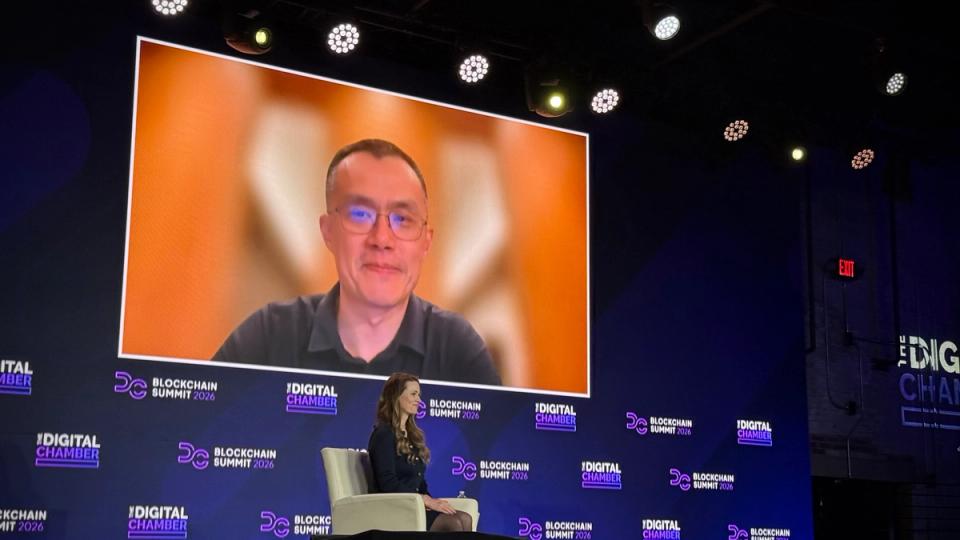
A massive rift has emerged in the crypto space following Binance founder Changpeng Zhao's suggestion to freeze Satoshi Nakamoto's 1.1 million bitcoin. This controversial proposal aims to preemptively secure the legendary stash against the looming threat of quantum computing, which poses a significant risk to current cryptographic standards.
While some experts view this as a vital defensive maneuver to prevent a catastrophic loss of funds, others argue that freezing these coins would undermine the core principles of Bitcoin. The tension highlights a growing conflict between the need for advanced cybersecurity and the preservation of decentralized sovereignty in the face of quantum evolution.
The Bitcoin community is split over a high-stakes proposal. Binance founder Changpeng Zhao has suggested that Satoshi Nakamoto's 1.1 million bitcoin should be frozen to prevent them from being stolen by future quantum computers. The logic is rooted in fear of the 'quantum threat'—the ability of quantum machines to crack existing encryption. However, the plan has met fierce resistance. Critics argue that any attempt to freeze or manipulate the original Satoshi coins would violate the fundamental tenets of decentralization and immutability that define the entire Bitcoin network.
This is a summarized and adapted version by Artificial Intelligence. To read the complete original story, visit the official source.
Read Full Article at CoinDeskSupport Jornal Bitcoin
Independent journalism, curated by AI, no clickbait. Keep the flame alive with any amount of BTC.
jonata@walletofsatoshi.comDaily Crypto Brief 📬
Subscribe to receive the curation of the most important Bitcoin and crypto news, summarized by AI. No spam.
Join more than 10,000 smart readers.
Related News
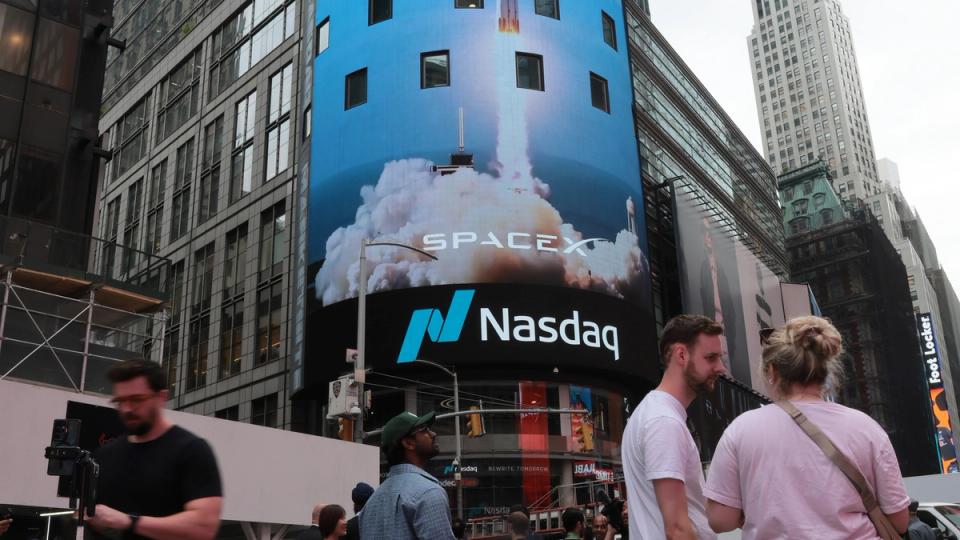
Crypto Week Ahead: FOMC minutes hit next, SpaceX lands in Nasdaq 100 — expect volatility
Against that backdrop, the “Crypto Week Ahead” calendar calls for tight monitoring of macro signals and market-moving headlines. When monetary policy guidance (FOMC/rates) collides with high-profile catalysts like SpaceX in the Nasdaq 100, Bitcoin and broader crypto sentiment may see sharper swings, making positioning and risk management more critical than usual.
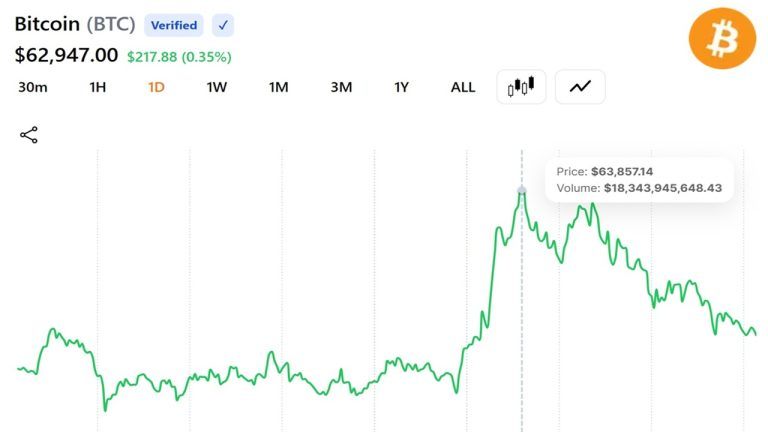
Bitcoin Reclaims $63K: ETF Inflows and Short Squeeze Fuel Massive Rebound
This rally marks a significant recovery from the late-June downturn, as Bitcoin climbed back from levels below $60,000. The combination of institutional demand via ETFs and the liquidation of short positions suggests a strengthening bullish sentiment across the broader cryptocurrency landscape.
Gold vs. Bitcoin: Peter Brandt’s Strategic Pivot as Polymarket Bets Big on $50K+
Simultaneously, the Polymarket prediction market is showing extreme bullishness, with a 99.95% probability of Bitcoin staying above the $50,000 threshold. This divergence between seasoned macro traders and high-stakes prediction markets highlights the intense tug-of-war between traditional safe havens and the digital asset revolution.

Gold Over Bitcoin? Veteran Trader Peter Brandt Considers Major Asset Rotation
Brandt anticipates that gold will gain substantially on Bitcoin, suggesting a significant divergence in performance between these two major asset classes. For crypto enthusiasts and macro traders alike, this insight provides a critical perspective on the current tug-of-war between digital gold and physical gold.

Bitcoin Hits 2-Week Peak, but Major Market Tests Loom on the Horizon
Looking ahead, the path for BTC is far from clear as major obstacles threaten to derail the current upward trend. Investors must prepare for significant volatility and technical resistance levels that will determine if Bitcoin can sustain this momentum or if a deeper correction is on the cards.
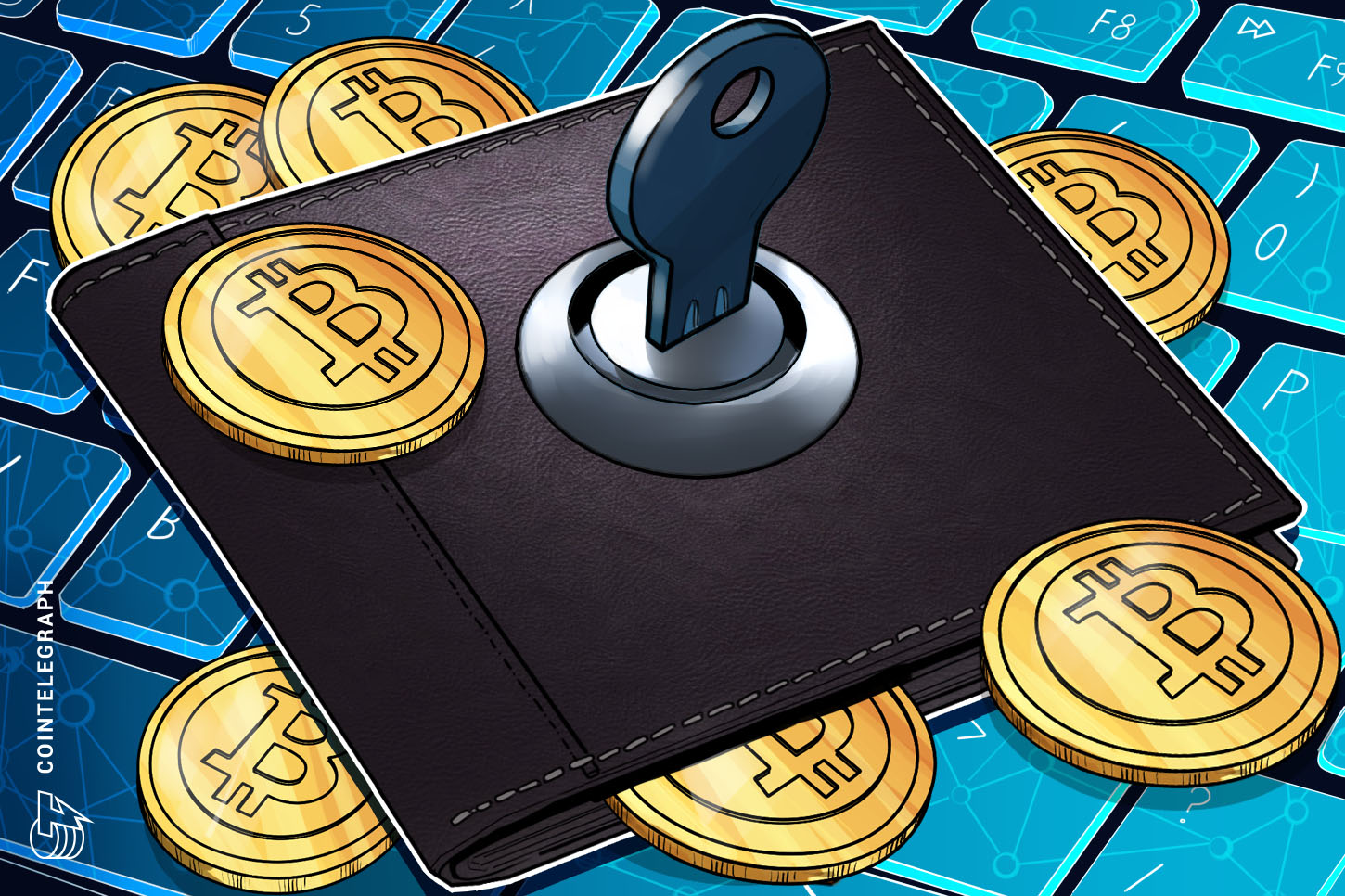
Crypto Alert: 'Ill Bloom' Vulnerability Threatens Thousands of Wallets Across Major Blockchains
This exploit impacts a wide range of ecosystems, including Bitcoin, Ethereum, Polygon, Tron, and Solana. Security firm Coinspect warns that users experiencing unauthorized fund movements should investigate this flaw immediately, as the weakness in certain software wallets could be the direct cause of recent theft incidents.
