US Targets Iranian Financier Babak Zanjani’s Network Amid Escalating Trump Threats

The United States has officially imposed sanctions against the network of Iranian financier Babak Zanjani, marking a significant escalation in economic warfare. This decisive action follows a wave of aggressive rhetoric and threats from Donald Trump, signaling a shift toward a more confrontational stance regarding Iranian financial operations.
As these sanctions tighten, the global community looks toward a potential deadline for a final nuclear deal, projected for August 13, 2026. The intersection of these sanctions and the looming nuclear negotiations creates a high-stakes environment that could redefine international relations and market stability.
The US has implemented sanctions against the network belonging to Iranian financier Babak Zanjani. This move comes amid heightened political tension and explicit threats from Donald Trump. Furthermore, market sentiment suggests a critical timeline for diplomatic resolution, with a potential final nuclear deal projected by August 13, 2026.
This is a summarized and adapted version by Artificial Intelligence. To read the complete original story, visit the official source.
Read Full Article at Crypto BriefingSupport Jornal Bitcoin
Independent journalism, curated by AI, no clickbait. Keep the flame alive with any amount of BTC.
jonata@walletofsatoshi.comDaily Crypto Brief 📬
Subscribe to receive the curation of the most important Bitcoin and crypto news, summarized by AI. No spam.
Join more than 10,000 smart readers.
Related News

Middle East Alert: Bahrain Intercepts Iranian Aerial Attacks Amid Rising Tensions
The Iranian military action, reported on July 30, underscores a dangerous shift in regional dynamics. As conflict intensifies, the ripple effects are expected to impact global energy security and drive volatility across the crypto market as investors react to sudden geopolitical shifts.

LPG Tanker Attack in Iranian Waters: Indian Crew Confirmed Safe Amid Rising Tensions
This incident underscores the volatile nature of current geopolitical corridors and their direct impact on energy logistics. Market analysts note that traffic normalization is currently projected at a mere 10.5% by August 31, suggesting that the ripple effects of such attacks will continue to disrupt global supply chains for the foreseeable future.
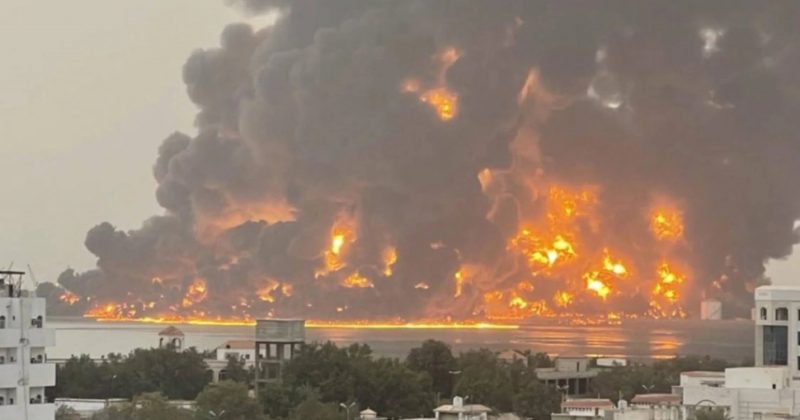
Red Sea Escalation: Saudi Arabia Strikes Hudaydah Following Vessel Attack; Bab el-Mandeb Closure Looming
The strategic implications are severe, with forecasts suggesting the Bab el-Mandeb Strait could be effectively closed by September 30. As the Houthis warn of further escalation, the global supply chain faces unprecedented uncertainty regarding the stability of this critical maritime corridor.
Geopolitical Alert: Trump Warns of Grave Consequences if Iran Acquires Nuclear Weapons
Amidst this tension, emerging reports suggest a potential U.S.-Iran deal could involve reconstruction funding slated for 2026. As the world weighs the possibility of diplomatic reconstruction against nuclear escalation, the impact on global risk assets and market volatility remains a critical focal point for investors.
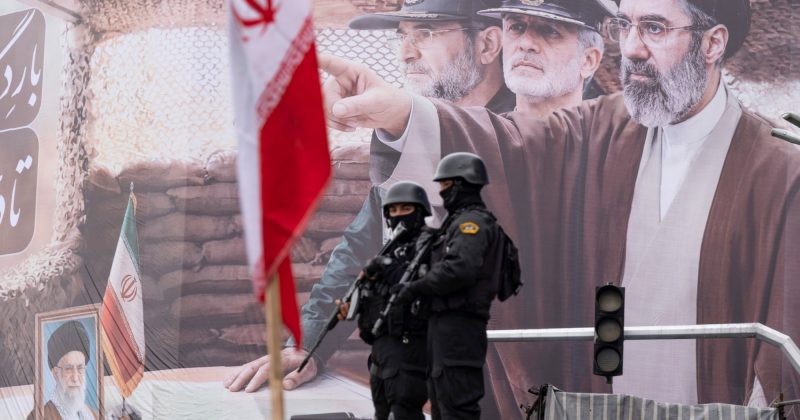
Geopolitical Escalation: US Threatens to Destroy IRGC Revenue Facilities Amid Iran Tensions
Amidst the military threats, speculative reports suggest a potential US-Iran deal in 2026 that could involve funding for Iranian reconstruction, currently sitting at a 29% probability. The interplay between direct military threats and long-term diplomatic maneuvering keeps the global financial community on edge regarding sudden geopolitical volatility.
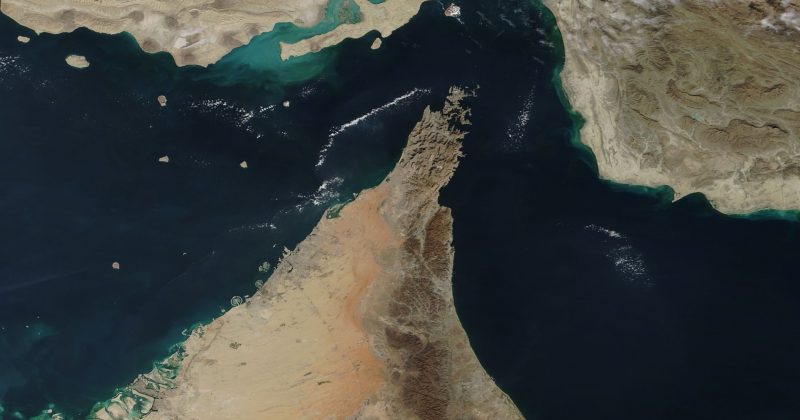
Iran Defies Trump, Maintains Hardline Stance on Strait of Hormuz
The implications of this standoff extend far beyond regional politics, posing significant risks to global energy supplies and market stability. As tensions simmer, the potential for maritime blockades remains a critical variable for macro traders and crypto investors looking to hedge against sudden geopolitical shocks and volatility.
