Russia's First Major Crypto Law Nears Passage to Bypass Western Sanctions
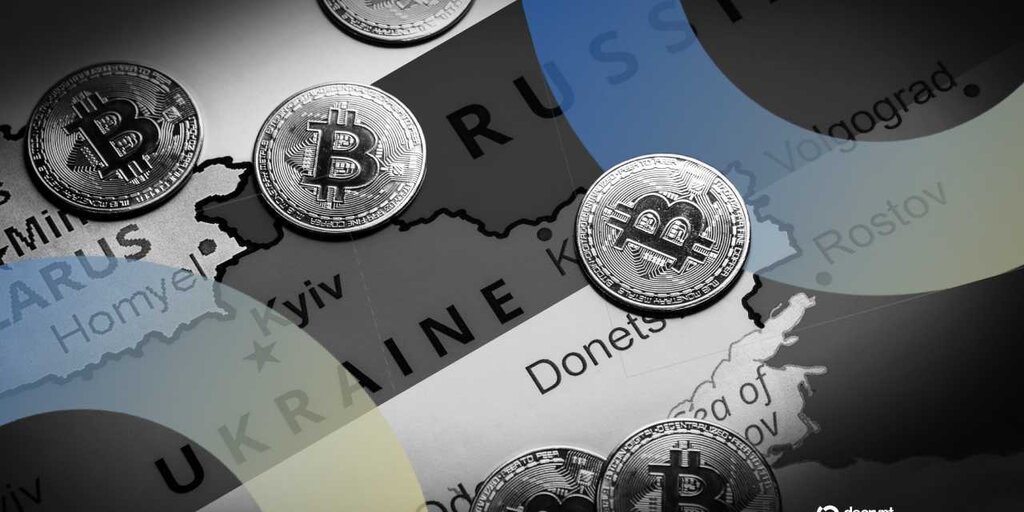
Russia is on the verge of finalizing its first comprehensive crypto law, a move that could fundamentally alter its ability to engage in global trade. Currently just two votes away from passing, the legislation aims to license cryptocurrency exchanges and provide a legal framework for Russian entities to settle international debts using digital assets.
By enabling companies to pay foreign partners in crypto, the bill serves as a strategic tool to bypass Western sanctions and maintain economic liquidity. While the law introduces restrictions for retail investors—capping annual investments at roughly $3,800—the broader impact focuses on institutionalizing crypto as a vital instrument for national financial sovereignty.
Russia's first comprehensive cryptocurrency law is just two votes away from being passed. The landmark bill introduces a licensing system for crypto exchanges and sets an annual cap of approximately $3,800 for retail investors. Most significantly, the legislation creates a legal pathway for Russian companies to settle payments with foreign partners using cryptocurrency, a strategic move designed to circumvent existing Western sanctions.
This is a summarized and adapted version by Artificial Intelligence. To read the complete original story, visit the official source.
Read Full Article at DecryptSupport Jornal Bitcoin
Independent journalism, curated by AI, no clickbait. Keep the flame alive with any amount of BTC.
jonata@walletofsatoshi.comDaily Crypto Brief 📬
Subscribe to receive the curation of the most important Bitcoin and crypto news, summarized by AI. No spam.
Join more than 10,000 smart readers.
Related News

Russia Passes Crypto Regulation Law and Bans Domestic Crypto Payments
This regulatory shift comes at a time of intense market speculation regarding the long-term trajectory of digital assets. Despite the crackdown in Russia, some market participants remain focused on extreme bullish scenarios, with projections suggesting a 2.1% chance of Bitcoin hitting $200,000 by December 31, 2026.

Crackdown Incoming: Pakistan Launches Specialized Crypto Unit to Fight Money Laundering
As Islamabad moves forward with licensing cryptocurrency exchanges, this new unit will serve as a critical watchdog to maintain market integrity. By integrating strict enforcement with regulatory licensing, the government is attempting to formalize the crypto sector while mitigating the systemic risks associated with financial crimes.

Clarity Odds Surge: Crypto Regulation Probability Jumps to 43% Amid Trump Ethics Rumors
Despite the momentum, the market remains in a state of 'wait and see' as no official bill text has surfaced and the reports remain unconfirmed. The impact of this volatility highlights how sensitive crypto market sentiment is to political developments and the potential for sudden regulatory clarity in the United States.

From Jokes to Billions: Why Memecoins Are Dominating the Crypto Market
While the potential for massive returns is high, understanding the core concept and the inherent risks is vital for any participant. As these assets gain traction, their impact on global liquidity and the specific interest from the Brazilian market highlight a new era of community-driven finance and extreme volatility.

UK Banking War: Lawmakers Launch Inquiry Into Crypto Account Blocks
The inquiry explores the broader consequences of financial exclusion for blockchain businesses. By examining these systemic barriers, lawmakers hope to prevent the UK from falling behind in the global digital asset race and ensure that the banking sector supports, rather than obstructs, crypto innovation.

Banking War in the UK? Parliament Launches Inquiry into Crypto Access Barriers
This strategic move aims to assess whether current banking restrictions are proportionate or if they are actively stifling investment, competition, and broader economic growth. By gathering written submissions from banks, payment providers, and crypto firms until August 31, the parliamentary group seeks to deliver a definitive set of recommendations to bridge the gap between traditional finance and the digital asset ecosystem.
