Russia Fuel Crisis: Polymarket Odds for Putin's Exit Surge to 20%

Internal instability in Russia is reaching a breaking point, with the prediction market Polymarket raising the odds of Vladimir Putin's exit by 2027 to 20%. This sudden shift is driven by worsening fuel shortages across the nation, leaving drivers facing massive queues and widespread supply disruptions.
The crisis is being exacerbated by drone strikes targeting critical energy infrastructure, such as refineries in Omsk, leading to station closures. As fuel scarcity intensifies, the resulting economic and social pressure is significantly impacting political forecasting and the perceived stability of the Russian leadership.
Russia's internal stability is facing a significant test as the Polymarket prediction platform raises the odds of Vladimir Putin exiting power by 2027 to 20%. The surge in these probabilities follows worsening fuel shortages that have left drivers facing multi-day lines at gas stations. The energy crisis has been intensified by drone strikes hitting key refineries, including reports from Omsk on July 6, which have forced several stations to close and heightened the sense of domestic volatility.
This is a summarized and adapted version by Artificial Intelligence. To read the complete original story, visit the official source.
Read Full Article at Blockchain.newsSupport Jornal Bitcoin
Independent journalism, curated by AI, no clickbait. Keep the flame alive with any amount of BTC.
jonata@walletofsatoshi.comDaily Crypto Brief 📬
Subscribe to receive the curation of the most important Bitcoin and crypto news, summarized by AI. No spam.
Join more than 10,000 smart readers.
Related News

Drone Warfare Escalation: Ukraine Strikes 1,725 Russian Targets in 24 Hours
This escalation in drone warfare could fundamentally shift the conflict's dynamics, potentially bolstering Ukraine's strategic position. Furthermore, the outcome of such high-stakes operations is closely watched for its ability to impact market confidence and broader geopolitical stability.
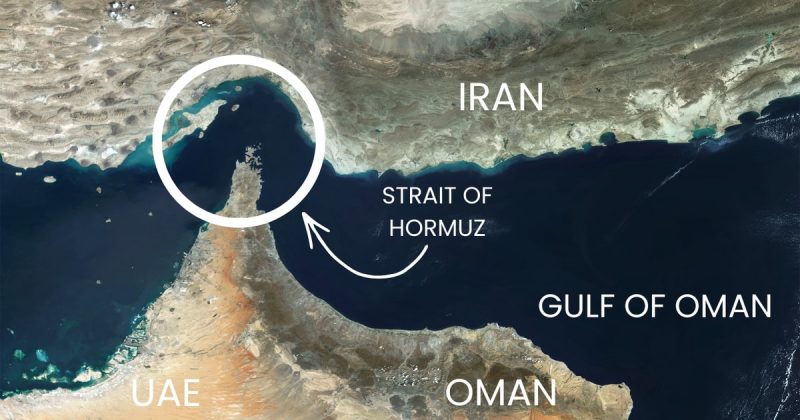
Oil Market Chaos: Prices Surge 5% as Iran Closes Strait of Hormuz
Experts warn that this blockade could lead to prolonged global oil supply disruptions and extreme price volatility. As geopolitical tensions escalate, the ripple effects are expected to impact broader financial markets, forcing investors to reassess risk in an increasingly unstable macroeconomic environment.
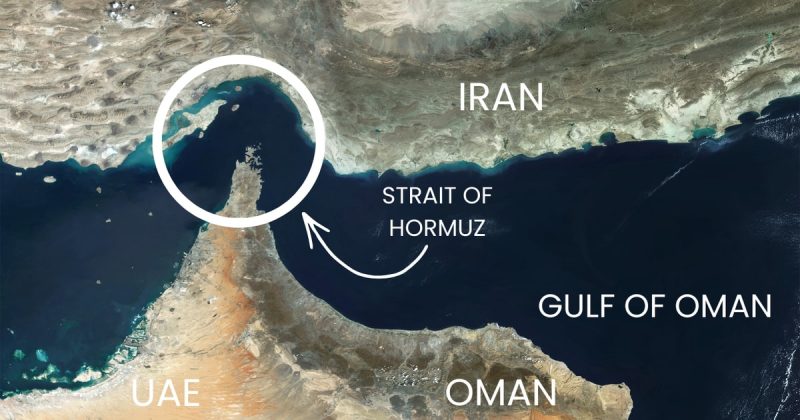
Strategic Pivot: ADNOC Shifts Offshore Crude Pricing to Dubai Benchmark Amid Strait Tensions
This pricing shift by ADNOC is expected to influence global oil prices as the market reacts to supply uncertainties. By aligning with the Dubai benchmark, the company seeks to insulate its operations from the volatility currently driving fluctuations in the global energy landscape.

Netanyahu Eyes U.S. Trip: Potential Trump Meeting Could Shake Geopolitical Stability
This potential visit by Netanyahu could significantly influence U.S.-Iran peace talks and long-term regional stability prospects. As geopolitical tensions rise, the outcome of these interactions remains a key variable for global market sentiment and the broader macroeconomic landscape.
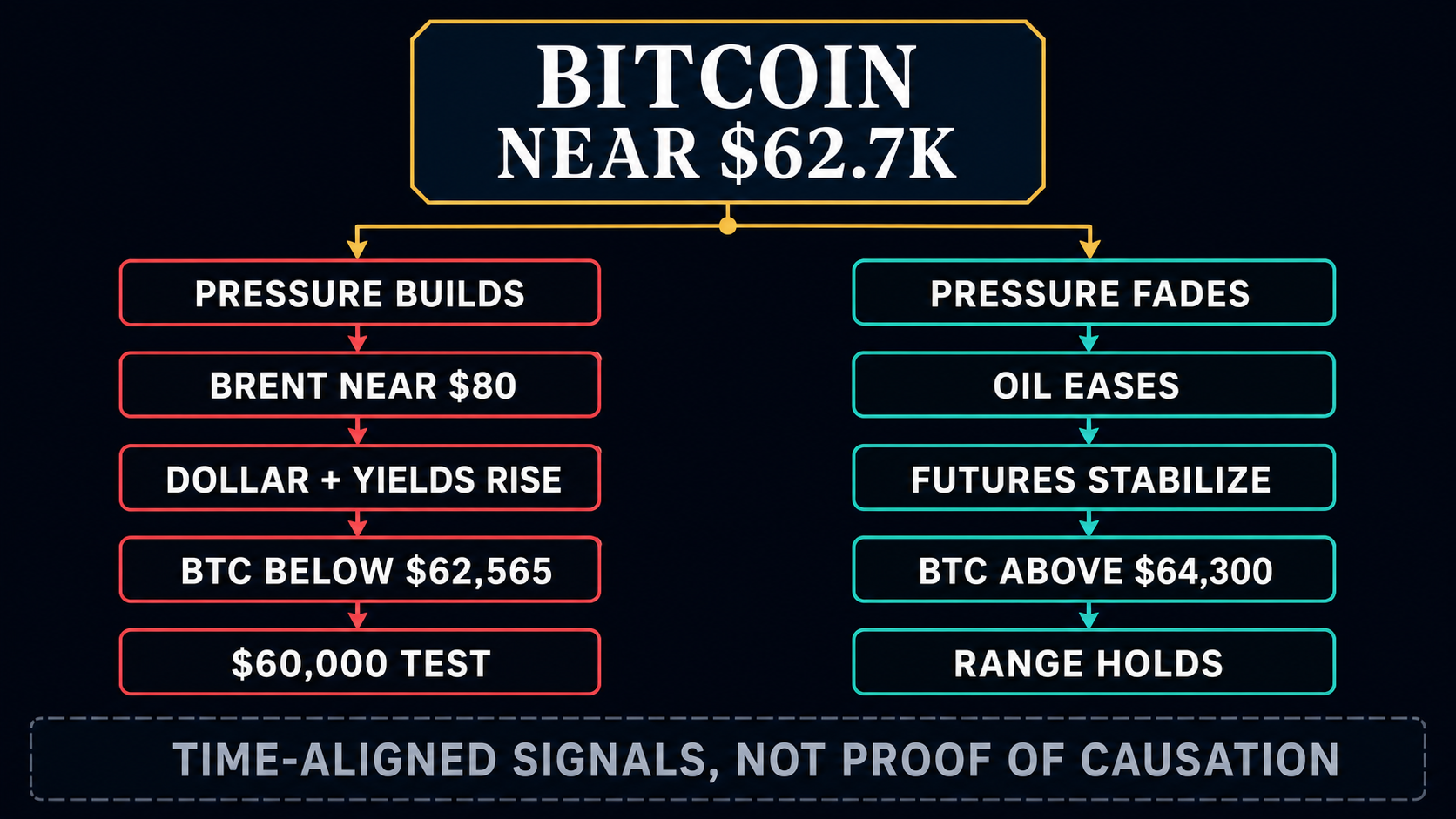
Geopolitical Chaos: Hormuz Oil Shock Puts Bitcoin's $60K Floor at Risk
This macro instability has reactivated the debate regarding Bitcoin's $60,000 price floor. As equity futures retreat and global tensions rise, the market is bracing for potential downside if the strengthening dollar continues to drain liquidity from the digital asset space.

Middle East Escalation: US Strike in Central Iran Sparks Global Geopolitical Fears
Beyond the immediate casualties, the strike threatens to undermine the Iranian regime and derail ongoing peace negotiations. As geopolitical instability rises, market participants should prepare for heightened volatility and shifts in risk appetite across both traditional and digital asset classes.
