Russia Cracks Down on 9 Crypto Exchanges in Moscow Over Money Laundering Ties to Ukraine

Russia's Federal Security Service (FSB) has conducted a major operation in Moscow, shutting down nine unregistered cryptocurrency exchanges and detaining over 20 employees. Russian authorities allege these platforms were used to launder money from phone scams, converting stolen funds into cryptocurrency and transferring them to accounts linked to Ukrainian handlers.
The operation marks a new front in the cyber warfare between Russia and Ukraine, with Russian authorities increasingly vigilant about cryptocurrency use for money laundering purposes. The raid at the Moscow International Business Center highlights the government's growing concern about capital flight and the potential use of digital assets to circumvent international sanctions, reinforcing Russia's regulatory stance against the cryptocurrency sector.
According to an official statement released on Friday, the agency said the exchanges converted money stolen from Russian victims of phone scams into cryptocurrency and transferred it to accounts belonging to what it described as Ukrainian handlers. The operation, carried out at the Moscow International Business Center (Moscow City), targeted channels allegedly used to move illicit funds abroad through crypto assets.
This is a summarized and adapted version by Artificial Intelligence. To read the complete original story, visit the official source.
Read Full Article at CoinTelegraphSupport Jornal Bitcoin
Independent journalism, curated by AI, no clickbait. Keep the flame alive with any amount of BTC.
jonata@walletofsatoshi.comDaily Crypto Brief 📬
Subscribe to receive the curation of the most important Bitcoin and crypto news, summarized by AI. No spam.
Join more than 10,000 smart readers.
Related News
Cardano (ADA) Flashes Major Bullish Signal That Could Trigger 200% Pump
This bullish formation could potentially trigger a massive 200% price pump, positioning ADA as one of the most promising cryptocurrencies in the current market cycle. The positive technical analysis, combined with Cardano's strong fundamentals and growing ecosystem, is attracting both institutional investors and retail traders seeking high-potential opportunities in the crypto space.

Bitcoin & XRP Whales Accumulating: Bear Market Nearing Its End?

EU Adds 5 to Russia Sanctions List After Deadly Ukraine Attacks
EU sanctions against Russia are becoming increasingly restrictive, directly impacting the cryptocurrency market and digital finance. With growing tensions between Russia and Ukraine, cryptocurrency investors are closely monitoring developments, as geopolitical instability traditionally leads to increased volatility in digital assets. The expansion of sanctions could affect market perceptions of potential military escalation and influence the behavior of cryptocurrency traders worldwide.
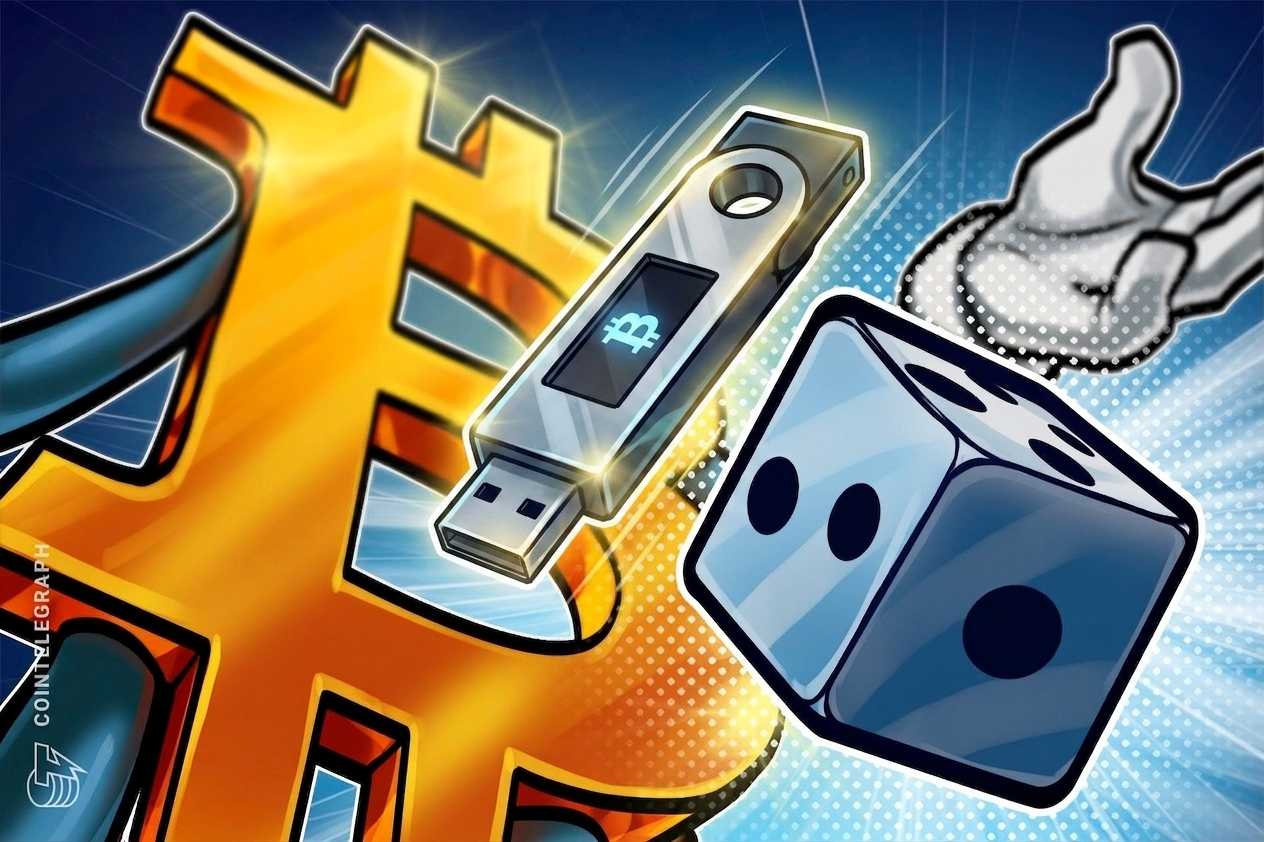
Bitcoiners Turn to Dice Throws After Coldcard Wallet Security Breach
This security breach has prompted the Bitcoin community to seek safer alternatives for entropy generation, with many now considering dice throws as a potential new gold standard. The vulnerability specifically affected the Coldcard's transition from a GPL-licensed free software model to a read-only model, raising concerns about centralized trust in hardware wallet security. As a result, cryptocurrency security experts are emphasizing the importance of user-verifiable, vendor-independent entropy generation methods for securing Bitcoin holdings.

MARA Sold Nearly All Its Mined Bitcoin, Then Pledged 18,750 BTC for AI Dream with No Safety Net
This strategic decision raises questions about corporate governance and the company's future in the cryptocurrency mining sector. The commitment to use Bitcoin to fund AI projects represents a significant shift in MARA's focus, which has traditionally centered on cryptocurrency mining. Investors are closely watching to see how the company will manage this transition and whether the AI project truly justifies pledging such a substantial amount of Bitcoin, particularly given market volatility and the lack of transparency regarding the safety measures involved.