Russia Bans Crypto Mining in Moscow and Kursk Until 2032
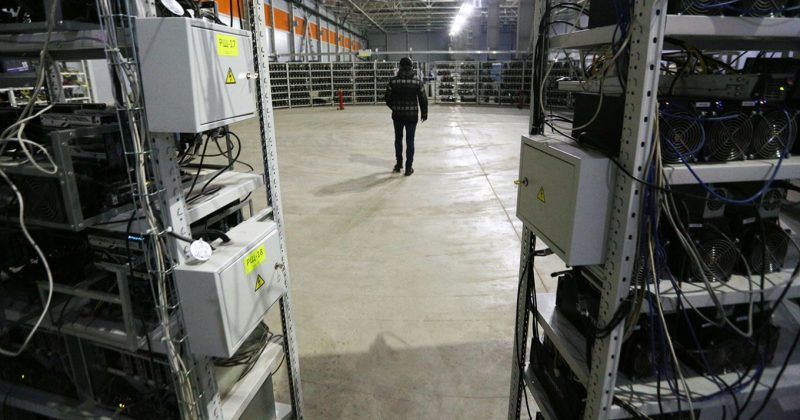
The Russian government has implemented a ban on cryptocurrency mining in the Moscow and Kursk regions, extending the restriction until 2032. This strategic move demonstrates Russia's energy priority over mining activities, reflecting a significant shift in the country's regulatory approach toward the cryptocurrency sector. The decision could have profound consequences for the global cryptocurrency landscape, encouraging other nations to reassess their own mining policies. With growing concerns about energy consumption, particularly in regions with limited electrical infrastructure, the ban may accelerate the development of more efficient mining technologies and drive the decentralization of the industry to areas with more abundant and cheaper energy sources.
This is a summarized and adapted version by Artificial Intelligence. To read the complete original story, visit the official source.
Read Full Article at Crypto BriefingSupport Jornal Bitcoin
Independent journalism, curated by AI, no clickbait. Keep the flame alive with any amount of BTC.
jonata@walletofsatoshi.comDaily Crypto Brief 📬
Subscribe to receive the curation of the most important Bitcoin and crypto news, summarized by AI. No spam.
Join more than 10,000 smart readers.
Related News
Younger Democrats Back Clarity Act as Coinbase Policy Chief Insists Bill Should Pass
Shirzad's comments come at a pivotal moment for cryptocurrency regulation in the United States, where legislative clarity has been elusive. The backing from younger Democrats signals a generational shift in digital asset perception, potentially reshaping the future landscape for Bitcoin and other cryptocurrencies in the American market. Passage of the Clarity Act could provide much-needed regulatory certainty and accelerate institutional adoption of crypto assets.

Zero mining revenue, 98% cash collapse, 2 million mysterious shares set up miner's $7 billion survival play
This desperate move could redefine the cryptocurrency mining sector, which has already been facing increasing pressures. The miner's survival strategy, though risky, represents a last-ditch financial restructuring attempt amid a volatile market. Investors and analysts are closely watching the company's next steps, which could influence the entire cryptocurrency ecosystem.

3 Major Barriers to Next Crypto Bull Run, Says STS Digital CEO
These factors create an environment of uncertainty for investors and institutions, delaying mass adoption and capital entry into the crypto sector. The lack of regulatory clarity in the United States, in particular, remains one of the biggest challenges for sustainable growth in the cryptocurrency market, while institutional options selling adds short-term pressure to Bitcoin's price.

Bitcoin Stuck at $64K: Dead-Flat Momentum Sets Up Binary Trade — $67K or $60K
This technical impasse suggests a binary scenario for Bitcoin's price, with possible directions toward $67,000 or $60,000. Crypto traders and investors are closely watching for signals that will determine which direction the market will take, while analysts debate the implications for Bitcoin's future and the broader cryptocurrency market.

Saylor's Bitcoin Strategy Aims to Dethrone Berkshire Hathaway
Saylor's strategy represents a significant bet on Bitcoin's future as a corporate reserve asset, but faces the inherent challenge of cryptocurrency market volatility. While Berkshire Hathaway relies on traditional asset diversification, MicroStrategy is betting on Bitcoin's appreciation to drive its growth, a move that could redefine how companies manage their treasuries in a digital world.
'Bitcoin Senator' Lummis Blasts Democrats for Blocking Crypto Clarity Act
The Crypto Clarity Act represents a crucial milestone for the cryptocurrency industry in the US, offering legal clarity and protection for investors. With Congress preparing for its August recess, pressure mounts to get the legislation passed before this break. The voting delay creates market uncertainty and concerns within the crypto industry, which has been awaiting definitive federal regulation for years to drive institutional adoption and protect consumers.
