Black Sea Escalation: Russia Deploys Kamikaze Drones Against Ukrainian Vessels
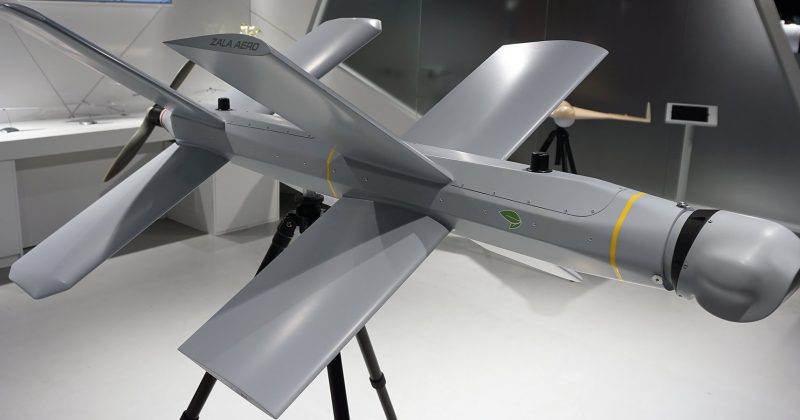
Russia has escalated maritime hostilities by launching kamikaze drone strikes targeting Ukrainian ships in the Black Sea. This deployment of kamikaze drones signifies a shift toward high-tech attrition warfare, heightening the strategic tension in one of the world's most critical maritime corridors.
As the naval conflict evolves, predictive modeling suggests a 9.5% probability of Ukraine recapturing Crimea by December 31, 2026. The integration of advanced drone technology into naval operations continues to reshape geopolitical risk assessments and global security outlooks.
Russia has launched kamikaze drone strikes against Ukrainian ships in the Black Sea, intensifying the naval dimension of the ongoing conflict. The use of kamikaze drones has become a central component of modern warfare tactics. Amidst these strikes, strategic projections indicate a 9.5% chance that Ukraine will recapture Crimea by December 31, 2026, highlighting the high-stakes nature of the territorial struggle.
This is a summarized and adapted version by Artificial Intelligence. To read the complete original story, visit the official source.
Read Full Article at Crypto BriefingSupport Jornal Bitcoin
Independent journalism, curated by AI, no clickbait. Keep the flame alive with any amount of BTC.
jonata@walletofsatoshi.comDaily Crypto Brief 📬
Subscribe to receive the curation of the most important Bitcoin and crypto news, summarized by AI. No spam.
Join more than 10,000 smart readers.
Related News

EU Escalates Crackdown on HTX as Russia-Linked Crypto Networks Shift Financial Rails
This strategic move aims to dismantle the shifting financial rails used by sanctioned entities to bypass international restrictions through the crypto ecosystem. By isolating HTX, the EU is sending a clear signal that it will aggressively pursue any digital asset platforms that facilitate the movement of capital for high-risk, geopolitically sensitive networks.
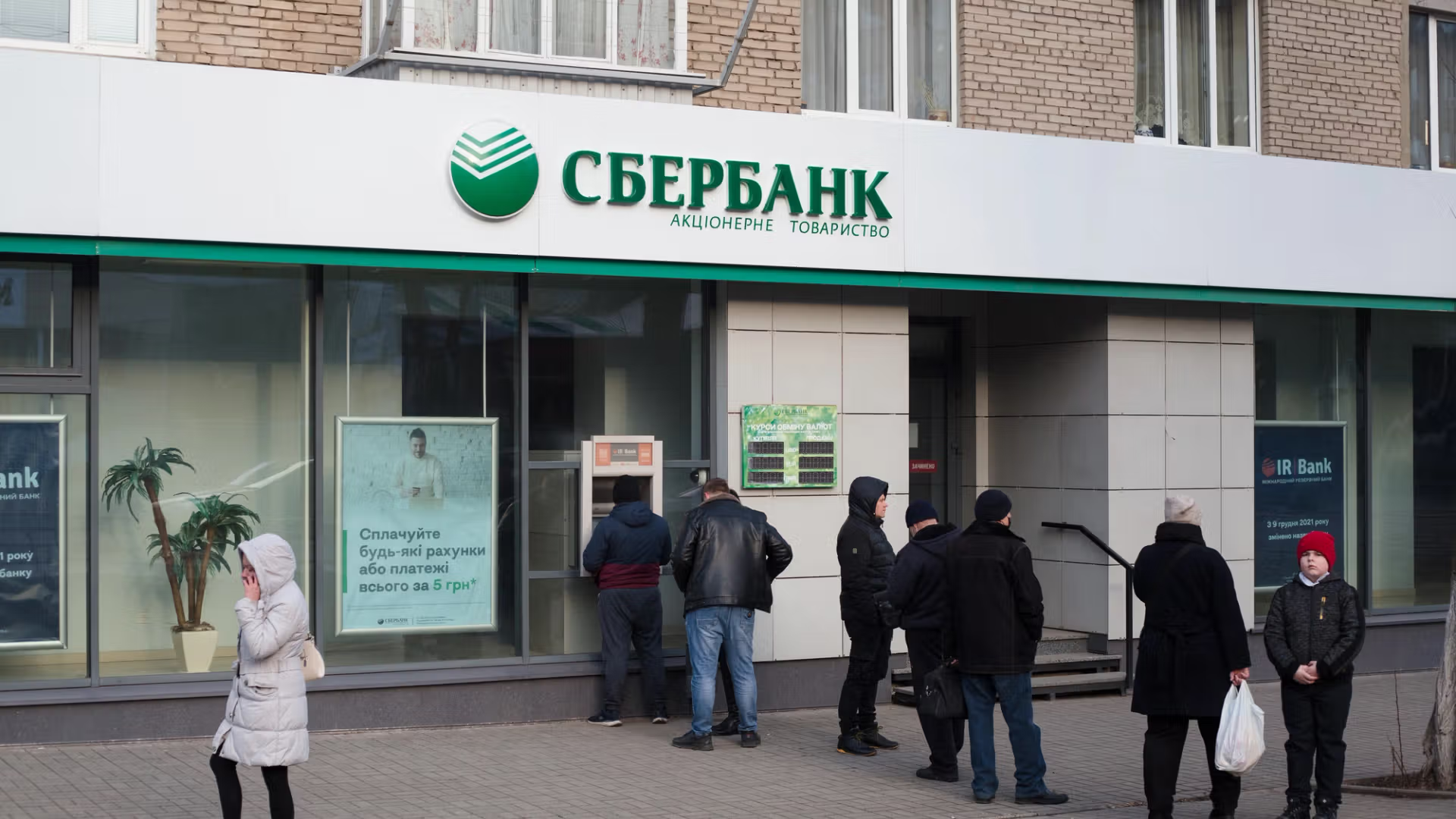
Russia’s Banking Giant Sberbank Targets Crypto Trading Infrastructure Launch by December
As new regulations governing crypto trading, custody, and settlement take effect on September 1, the Russian market is entering a period of rapid formalization. Although strict licensing requirements for intermediaries won't be enforced until July 2027, Sberbank's proactive stance suggests a race to secure market dominance within the evolving crypto ecosystem.
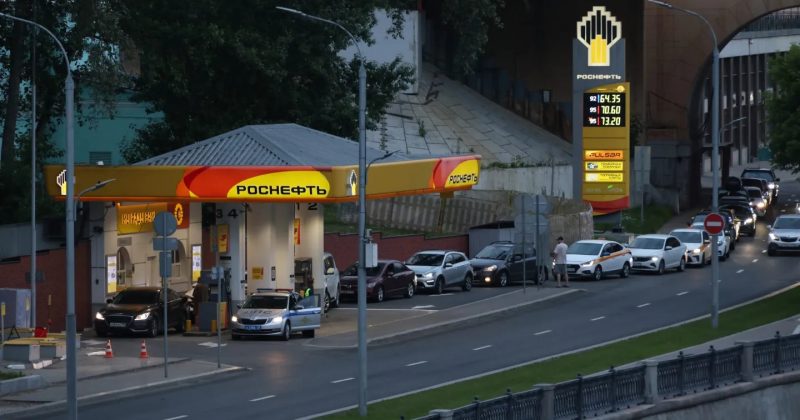
Russia Extends Gasoline Export Ban as Crypto Becomes Vital Sanctions Bypass
This pivot highlights the growing role of digital assets in navigating geopolitical volatility and financial isolation. By leveraging the liquidity and pseudonymity of crypto, Russian-linked trade is finding a new lifeline, proving that decentralized finance is becoming a critical tool for maintaining global commodity flows under pressure.

Ukrainian Drone Strike Hits Russian Tourist Bases in Zaporozhye Amid Escalating Conflict
Beyond the immediate casualties, the strategic landscape is shifting, with recent data suggesting a 9.5% probability of Ukraine recapturing Crimea by December 31, 2026. The combination of drone strikes in Zaporozhye and long-term territorial projections keeps the global community on high alert regarding the conflict's trajectory.
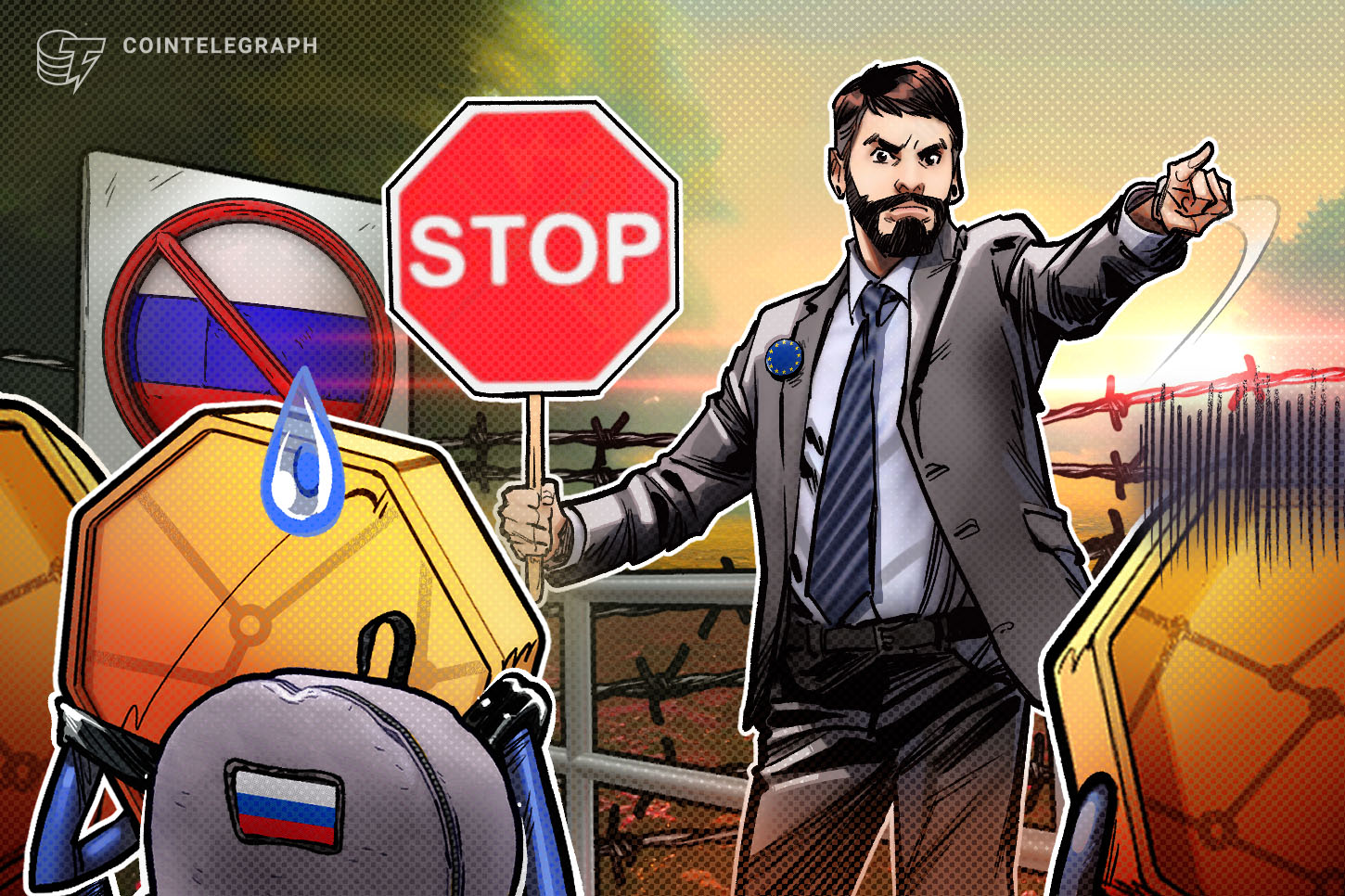
EU Crackdown: HTX Exchange Hit by New Sanctions Over Russia Ties
This escalation follows similar actions taken by the UK and highlights the intensifying global scrutiny on crypto-asset services used to bypass economic warfare tools. By targeting entities that facilitate a financial lifeline for Russia, the EU is tightening the noose on digital assets used to circumvent international prohibitions.

EU Crackdown: Major Crypto Exchanges Including HTX Hit by New Sanctions
Notably, the HTX exchange (formerly Huobi), ranked among the top 10 global crypto exchanges, has been officially sanctioned. This development underscores the increasing pressure on the crypto industry to comply with geopolitical restrictions and poses significant operational challenges for major exchanges navigating the EU regulatory landscape.
