Russia Passes Crypto Regulation Law and Bans Domestic Crypto Payments

The Russian parliament has officially passed a new law to regulate the crypto market, introducing strict oversight for digital assets. Crucially, the legislation bans the use of cryptocurrencies for domestic payments, a move designed to tighten state control over internal financial transactions.
This regulatory shift comes at a time of intense market speculation regarding the long-term trajectory of digital assets. Despite the crackdown in Russia, some market participants remain focused on extreme bullish scenarios, with projections suggesting a 2.1% chance of Bitcoin hitting $200,000 by December 31, 2026.
The Russian parliament has passed a law regulating the crypto market and banning domestic payments. This legislative move aims to bring digital assets under stricter state supervision while preventing the use of cryptocurrencies as a medium of exchange for local commerce.
While the Russian government tightens its grip, the broader crypto market continues to eye massive price targets. Recent data highlights a speculative outlook where there is a 2.1% probability of Bitcoin reaching $200,000 by December 31, 2026, showcasing the tension between national restrictions and global market momentum.
This is a summarized and adapted version by Artificial Intelligence. To read the complete original story, visit the official source.
Read Full Article at Crypto BriefingSupport Jornal Bitcoin
Independent journalism, curated by AI, no clickbait. Keep the flame alive with any amount of BTC.
jonata@walletofsatoshi.comDaily Crypto Brief 📬
Subscribe to receive the curation of the most important Bitcoin and crypto news, summarized by AI. No spam.
Join more than 10,000 smart readers.
Related News
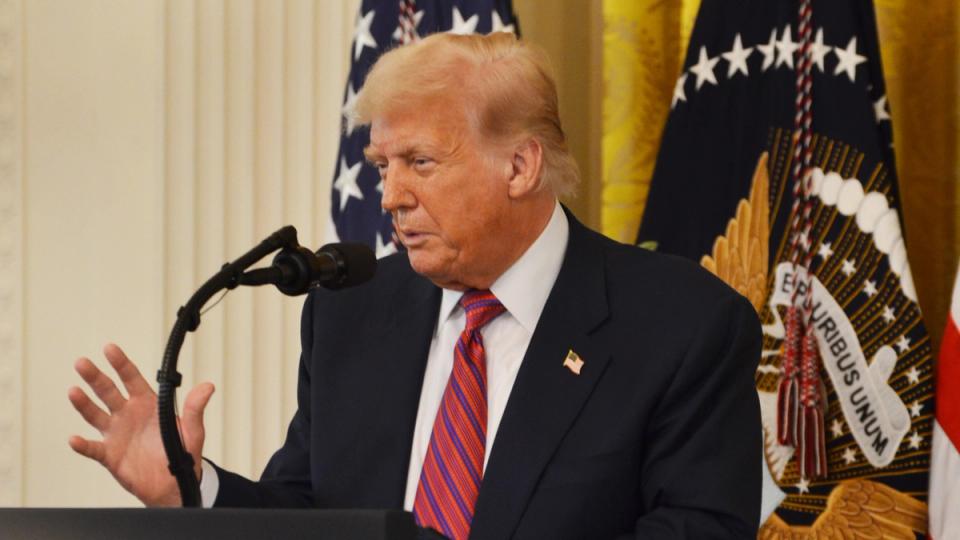
White House Urges Senate Democrats to Back 'Historic' Crypto Ethics Deal
This legislative maneuver aims to mitigate conflict-of-interest concerns and provide much-needed legal certainty to the crypto industry. If successful, the deal could set a global precedent for how governments manage the intersection of political influence and the rapidly evolving cryptocurrency market.

Telegram Revolution: Pavel Durov Unveils Native Gram Crypto Wallet for 1 Billion Users
Dubbed by Durov as the 'largest rollout of a non-custodial crypto wallet in human history,' this development signals a massive shift toward mainstream crypto adoption. By prioritizing self-custody, Telegram is positioning itself as a central pillar in the future of decentralized finance and global peer-to-peer payments.
Liquidity Shift: Fed Reverse Repo Volumes Crash Toward Zero
This depletion of liquidity carries profound implications for global financial stability and crypto market volatility. As the Fed navigates this transition, the tightening of available cash could lead to increased market sensitivity, forcing institutional players to recalibrate their strategies in response to a leaner monetary environment.

High Alert: Explosive Drones Intercepted Near US Consulate in Erbil Amid Iran Tensions
The potential for direct military confrontation heightens global market volatility and shifts the focus toward safe-haven assets. As tensions between Iran and regional powers intensify, the crypto market remains on edge, watching for how these geopolitical shocks will impact liquidity and investor sentiment in the digital asset space.

Crypto Breakout Imminent? Analysts Predict Capital Rotation from AI to Bitcoin
Market analysts suggest that as the AI trade loses momentum, investors are likely to rotate capital back into the cryptocurrency sector. This sentiment is bolstered by progress on the CLARITY Act, which aims to resolve regulatory overlaps between the SEC and CFTC, providing the institutional certainty needed to fuel further gains in BTC and crypto-related stocks.

White House Ethics Deal Could Unlock CLARITY Act and Fuel Bitcoin Rally
Negotiations involving Republican Senators Cynthia Lummis and Bernie Moreno suggest a bipartisan push to refine the Digital Asset Market Clarity (CLARITY) Act. As the Senate prepares for a tight vote, the implications of this deal extend beyond regulation, with reports indicating that the new ethics language could even impact the personal crypto investments of President Donald Trump.
