Ripple's Stuart Alderoty: 67 Million Crypto Owners Are Not a 'Rounding Error'

Ripple CLO Stuart Alderoty has issued a powerful statement regarding the scale of the digital asset market, asserting that the 67 million crypto owners worldwide are far from being a mere 'rounding error.' This massive user base represents a fundamental shift in how global wealth is being managed and accessed.
Recent industry data highlights that crypto ownership has expanded significantly across diverse demographic groups, moving beyond niche enthusiasts. This widespread adoption underscores the growing necessity for robust regulatory frameworks and institutional-grade infrastructure to support the next wave of mainstream financial integration.
Ripple's Chief Legal Officer, Stuart Alderoty, recently emphasized the undeniable scale of the cryptocurrency ecosystem. He argued that the 67 million individuals holding crypto assets are not a 'rounding error' in global economic terms, but a significant demographic force. New industry data supports this, showing that crypto ownership has expanded significantly across various demographic groups, signaling a broad-based shift in global financial participation.
This is a summarized and adapted version by Artificial Intelligence. To read the complete original story, visit the official source.
Read Full Article at CryptoPotatoSupport Jornal Bitcoin
Independent journalism, curated by AI, no clickbait. Keep the flame alive with any amount of BTC.
jonata@walletofsatoshi.comDaily Crypto Brief 📬
Subscribe to receive the curation of the most important Bitcoin and crypto news, summarized by AI. No spam.
Join more than 10,000 smart readers.
Related News

Regulatory Breakthrough? SEC Set to Unveil Long-Awaited Crypto Safe Harbor This Month
This development aims to address the persistent legal ambiguity that has stifled innovation within the space. By providing a clearer framework, the SEC's upcoming guidance could significantly impact how crypto assets are classified and regulated, offering much-needed stability to institutional and retail investors alike.

Binance's $130B War Chest: The Unrivaled King of Crypto Reserves
This massive liquidity advantage provides an unprecedented competitive edge, directly influencing capital flows across the entire crypto ecosystem. Onchain data analysis reveals that Binance does not just lead in volume, but maintains a reserve infrastructure that redefines the standards of security and scale for the industry.

IMF Power Shift: Silvana Tenreyro Appointed Chief Economist, Signaling New Era for Crypto Regulation
Industry analysts suggest that her leadership could pivot the IMF's stance on crypto regulations and the preservation of monetary sovereignty. As digital assets continue to challenge traditional frameworks, Tenreyro's influence will be vital in shaping how global economic policies adapt to the rise of decentralized finance.

Vanguard Breaks Silence: Asset Giant Hunts for Digital Assets Chief
The impact of this move cannot be overstated, as it positions one of the world's largest asset managers at the forefront of the digital finance revolution. The incoming executive will oversee everything from custody models to blockchain-based settlement, while acting as a key liaison between Vanguard, industry groups, and global regulators.
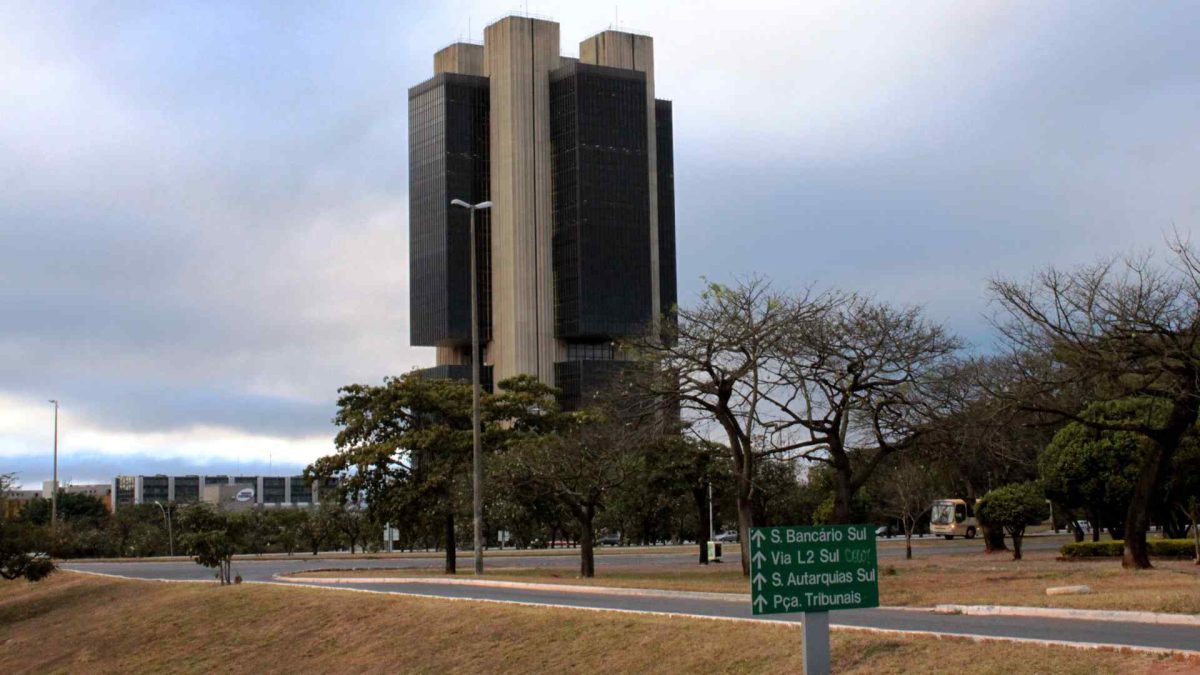
Red Alert: Brazil's Central Bank Proposes 24-Hour Crypto Transaction Freeze
The potential impact of this regulation could disrupt the seamless nature of crypto transactions and create friction for global users. As the debate intensifies, the industry watches closely to see how this move toward stricter oversight will affect liquidity and the decentralized ethos of the crypto market.

Trump's Deregulation Blitz: 700+ Federal Rules Targeted to Unleash Crypto Growth
By streamlining the regulatory landscape, the administration hopes to boost the US fintech and crypto sectors, effectively reversing the recent outflow of capital and talent. While the potential for growth is immense, the industry remains focused on the execution phase, as navigating the practical hurdles of large-scale regulatory reform remains a significant challenge.
