China's Crude Import Surge: A Global Oil Price Catalyst?
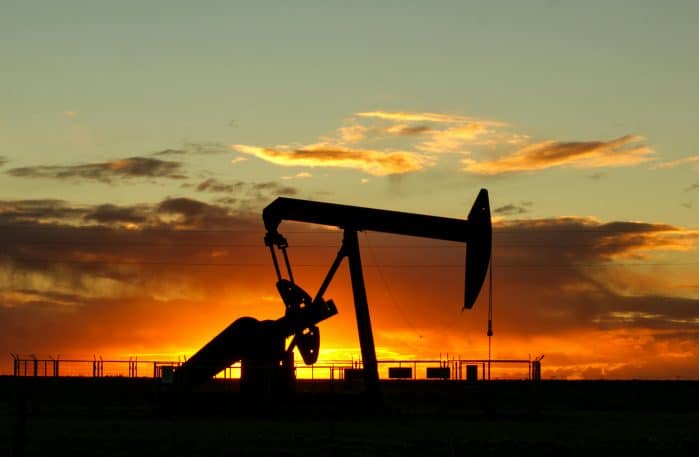
China is aggressively rebounding its crude oil imports, fueled by easing fuel export curbs and a surge in supplies from the Middle East. This sudden spike in Chinese demand acts as a massive catalyst for global oil demand, potentially driving energy prices higher as the world's largest importer seeks to stabilize its reserves.
Beyond mere pricing, this shift carries heavy geopolitical weight, threatening to reshape established supply routes and global energy security. As China ramps up its consumption, the ripple effects will be felt across international markets, influencing everything from inflation to the strategic importance of Middle Eastern trade corridors.
Furthermore, the rebound carries significant geopolitical implications. The shift in trade flows could impact global supply routes, forcing a realignment of how energy is transported and secured across the globe.
This is a summarized and adapted version by Artificial Intelligence. To read the complete original story, visit the official source.
Read Full Article at Crypto BriefingSupport Jornal Bitcoin
Independent journalism, curated by AI, no clickbait. Keep the flame alive with any amount of BTC.
jonata@walletofsatoshi.comDaily Crypto Brief 📬
Subscribe to receive the curation of the most important Bitcoin and crypto news, summarized by AI. No spam.
Join more than 10,000 smart readers.
Related News
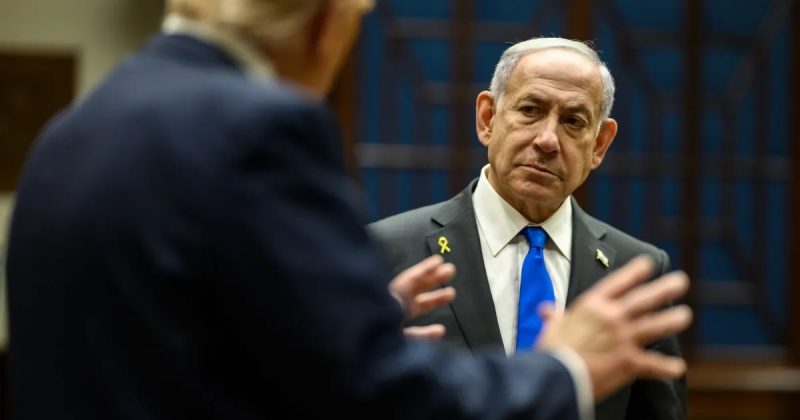
Netanyahu Eyes U.S. Trip: Potential Trump Meeting Could Shake Geopolitical Stability
This potential visit by Netanyahu could significantly influence U.S.-Iran peace talks and long-term regional stability prospects. As geopolitical tensions rise, the outcome of these interactions remains a key variable for global market sentiment and the broader macroeconomic landscape.
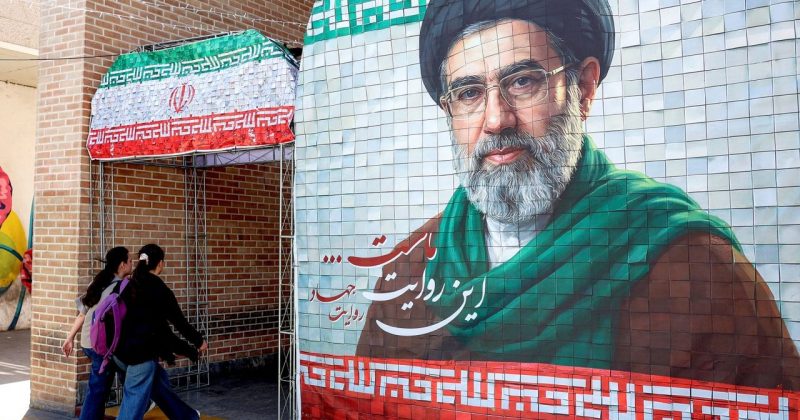
Middle East Escalation: US Strike in Central Iran Sparks Global Geopolitical Fears
Beyond the immediate casualties, the strike threatens to undermine the Iranian regime and derail ongoing peace negotiations. As geopolitical instability rises, market participants should prepare for heightened volatility and shifts in risk appetite across both traditional and digital asset classes.
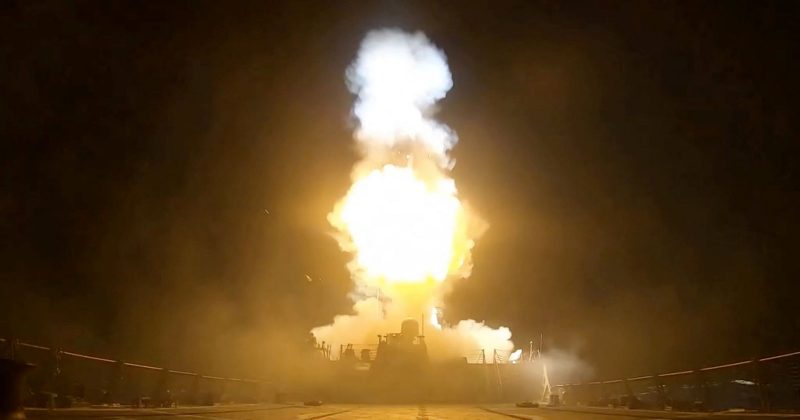
Middle East Escalation: Iran Strikes US Bases, Sending Shockwaves Through Global Markets
The implications of these missile attacks extend far beyond military borders, as the heightened Gulf tensions pose a direct threat to global economic continuity. Investors should prepare for increased market volatility and potential disruptions in energy and trade sectors as the world watches for further escalation in the Middle East.
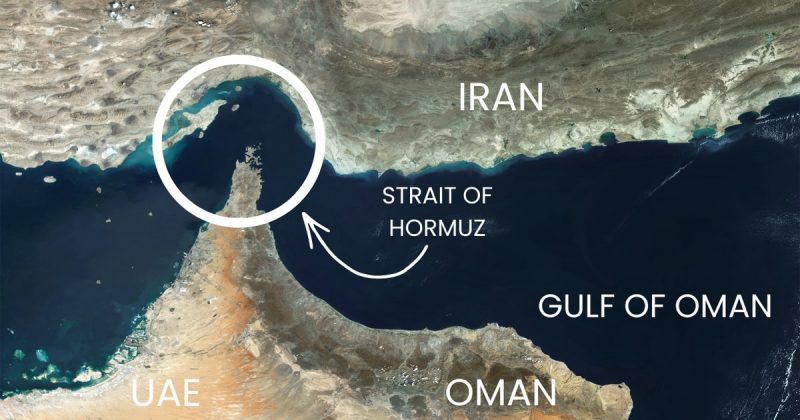
Strait of Hormuz Crisis: US Pressure Stalls Iran-Oman Strategic Talks
Beyond the immediate political fallout, these developments are sending ripples through global markets by eroding investor confidence. As the standoff persists, the potential for supply chain disruptions and heightened geopolitical risk remains a primary driver of market uncertainty.

Iran Under Pressure: Urgent Calls to Target Khamenei Assassination Plotters
As a power vacuum begins to emerge, the potential for prolonged political turbulence grows, posing a significant threat to regional geopolitical dynamics. The inability to secure the leadership could trigger a domino effect of unrest, impacting global security and shifting the balance of power across the Middle East.
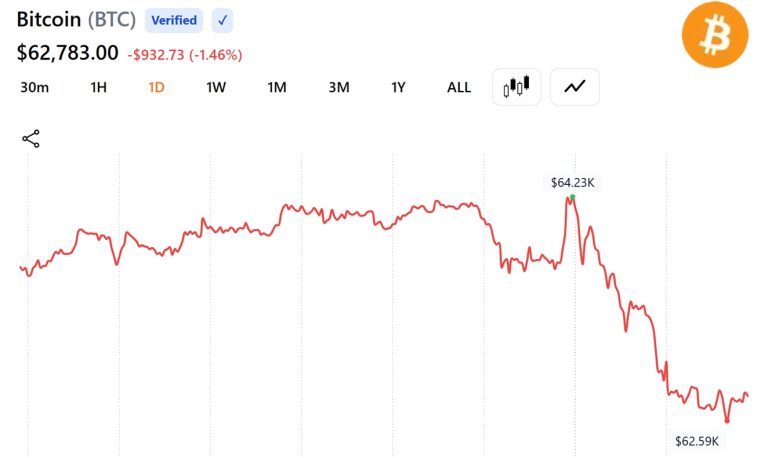
Bitcoin Dips Below $63K as Iran Strikes Resume and Oil Prices Surge 4.5%
The situation reached a breaking point with Tehran declaring the Strait of Hormuz closed, sending Brent crude prices soaring by 4.5%. This convergence of military escalation and energy market volatility is creating a high-stakes environment, where the threat to global oil supplies is overshadowing crypto market sentiment and forcing traders to reassess their positions.
