MiCA Rollout Fails to Shake Crypto Market Dominance, Kaiko Analysis Finds

The rollout of the MiCA regulation in Europe has failed to trigger the expected shift in market dominance. A recent analysis by Kaiko indicates that the crypto market's power structure remains largely unchanged despite the introduction of these comprehensive new regulatory frameworks.
This stability suggests that the market is adapting to compliance requirements without losing momentum or shifting capital away from established leaders. As MiCA becomes the standard, observing how dominance reacts to such legal shifts will be vital for navigating future volatility and institutional adoption.
The rollout of the MiCA (Markets in Crypto-Assets) regulation in Europe was expected to reshape the digital asset landscape, but recent data suggests otherwise. A detailed analysis from Kaiko reveals that the MiCA implementation has had a limited impact on the market dominance of major cryptocurrencies.
Despite predictions that new compliance mandates would fragment liquidity or empower new competitors, the market has shown remarkable resilience. The report highlights that the current dominance structure remains intact, suggesting that regulatory maturity is being integrated organically without causing significant volatility shocks or abrupt shifts in the dominance of major assets and platforms.
This is a summarized and adapted version by Artificial Intelligence. To read the complete original story, visit the official source.
Read Full Article at NewsBTCSupport Jornal Bitcoin
Independent journalism, curated by AI, no clickbait. Keep the flame alive with any amount of BTC.
jonata@walletofsatoshi.comDaily Crypto Brief 📬
Subscribe to receive the curation of the most important Bitcoin and crypto news, summarized by AI. No spam.
Join more than 10,000 smart readers.
Related News
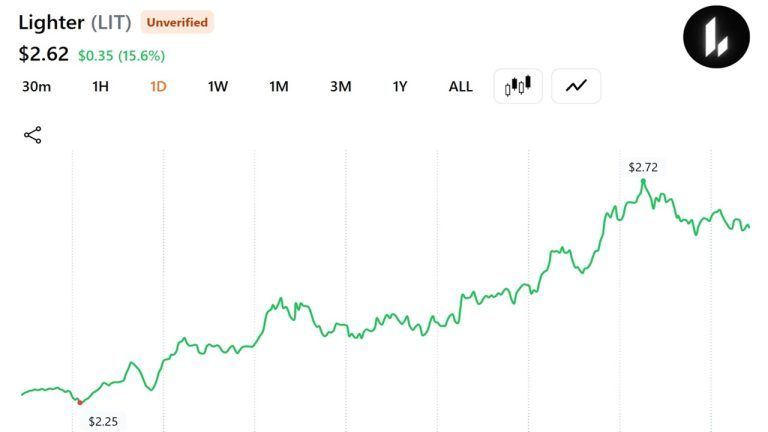
Crypto Blunder: Trader Wipes Out $2 Million in ETH Swap for Lighter Token
The blunder coincided with a period of high volatility, as the Lighter token surged 53% over the week and climbed Coingecko's trending list. This incident highlights the extreme dangers of slippage and poor execution when interacting with trending assets during rapid market rallies.

Trading War: Deribit and SignalPlus Unveil 'The Island' with $600,000 USDC Prize Pool
This strategic move aims to drive massive engagement and liquidity within the crypto ecosystem. By offering substantial rewards in USDC, the competition is set to become a landmark event for derivatives trading, attracting significant attention from institutional and retail participants alike.

Grocery Gains: Kalshi and Polymarket Launch Bold NYC Campaign to Scale Prediction Markets
These grocery giveaways highlight the innovative strategies being deployed by prediction markets to capture market share and expand their footprint. By gamifying economic forecasting through tangible rewards, these platforms are signaling a massive shift in how decentralized information and economic forecasting will influence global sentiment.
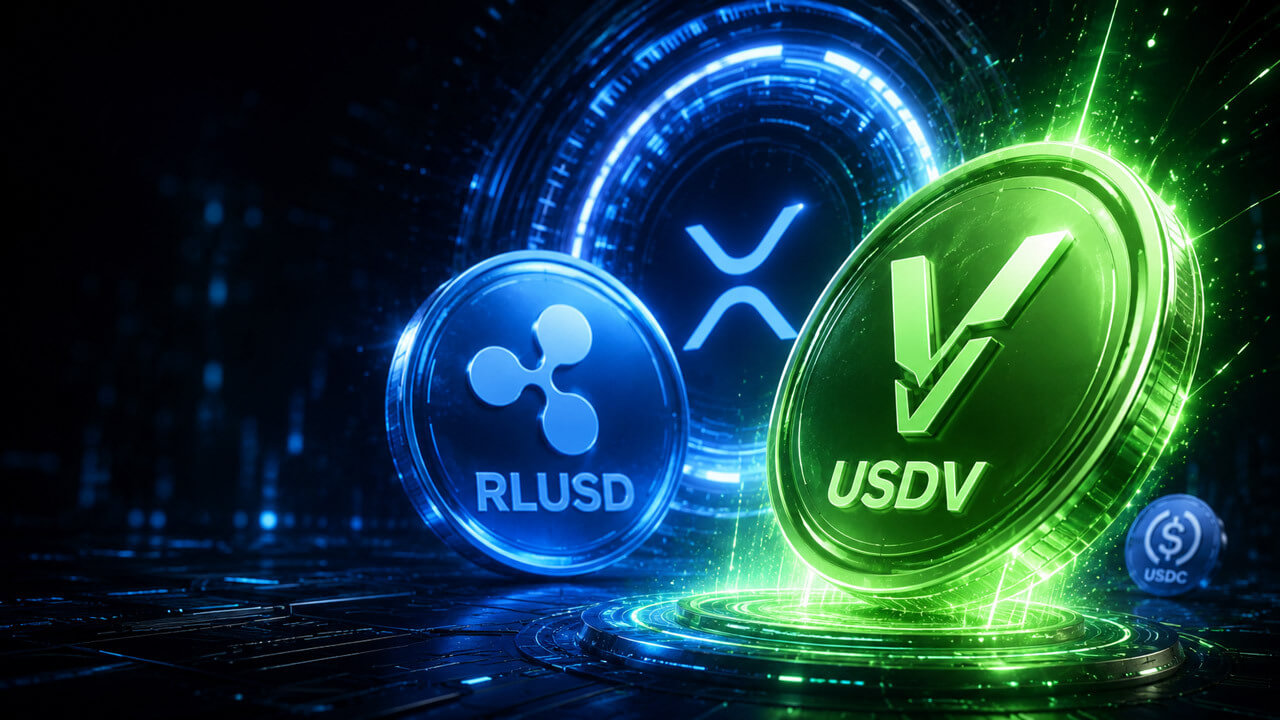
XRPL Stablecoin Supply Hits $900M: Why RLUSD Isn't the Only Story
While RLUSD accounts for a staggering 94.9% of the total supply, the emergence of Valtorum's USDV, now at $39.3 million, highlights a growing trend of diversification. This breakout in XRPL stablecoin volume proves that the ledger is evolving into a multi-issuer ecosystem, reducing reliance on a single entity and fostering broader DeFi utility.
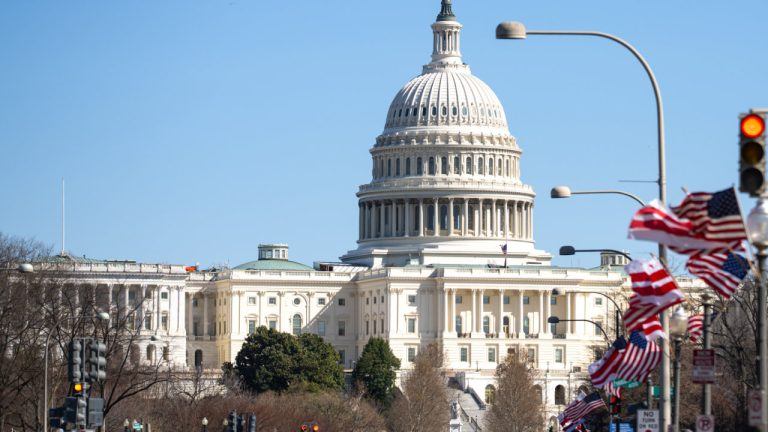
Deadline Missed: CLARITY Act Fails Trump’s July 4 Target, Leaving Only 25 Days to Pass
With the Senate returning on July 13 and a recess looming on August 7, the crypto industry's long-sought market structure bill is racing against the clock. This delay places immense pressure on lawmakers to finalize the framework before the summer break.

Zelenskyy Warning: Patriot Missile Delays Could Fuel Russia and Shake Global Markets
Beyond the battlefield, these delays heighten the perceived NATO-Russia risks, creating significant ripples in global market sentiment. As geopolitical tensions rise, investors are closely monitoring how these shifts in defense capabilities might drive volatility and influence the demand for safe-haven assets amidst heightened macro uncertainty.
