Race Against Time: The High-Stakes Battle for US Crypto Law in the Senate
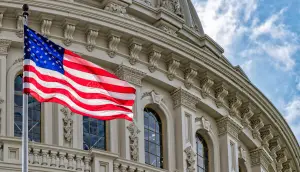
The regulatory landscape in the United States is facing a critical juncture as lawmakers scramble to advance the latest crypto bill before the upcoming Senate recess. This urgent push aims to provide much-needed legal clarity for the industry, attempting to mitigate the risks associated with regulatory uncertainty in the digital asset space.
However, the legislative path is complicated by intense competition for floor time and the looming pressure of the election cycle. The outcome of this battle in July could fundamentally reshape the future of crypto regulation and dictate how institutional players interact with the decentralized economy.
The US crypto bill is racing against the clock in the Senate. As the legislative recess approaches and the election cycle intensifies, lawmakers are fighting to secure a window of opportunity to advance crypto regulation. While there is hope that the bill could move forward in July, the struggle for space on the Senate agenda and competing political priorities pose significant challenges.
Establishing these rules is seen as vital for market stability, yet the political volatility in the United States threatens to stall progress, leaving the crypto industry in a state of limbo until clear guidelines are finally established.
This is a summarized and adapted version by Artificial Intelligence. To read the complete original story, visit the official source.
Read Full Article at Portal do BitcoinSupport Jornal Bitcoin
Independent journalism, curated by AI, no clickbait. Keep the flame alive with any amount of BTC.
jonata@walletofsatoshi.comDaily Crypto Brief 📬
Subscribe to receive the curation of the most important Bitcoin and crypto news, summarized by AI. No spam.
Join more than 10,000 smart readers.
Related News

Institutional Split: Bitmine Ramps Up ETH Treasury as MicroStrategy Sells Bitcoin
This rare move by MicroStrategy involves the sale of 3,588 BTC, totaling approximately $216 million, a significant departure from its aggressive Bitcoin accumulation playbook. Meanwhile, Bitmine's ambitious goal to build an $11.1 billion crypto treasury underscores a growing institutional appetite for Ethereum as a core strategic asset.

Institutional Race Heats Up: 21Shares Files for Solana ETF
This filing marks a critical turning point for the Solana ecosystem, shifting the narrative from speculative asset to institutional-grade commodity. As more major players enter the fray, the competition for the first Solana ETF is set to drive massive liquidity and force a regulatory decision that could redefine the smart contract landscape.

Market Shocker: Michael Saylor's Bitcoin Strategy Struggles Lead to Massive Losses
This sudden shift in corporate treasury management poses significant questions regarding institutional stability. The consequences of these large-scale Bitcoin sales could trigger broader market volatility and force a re-evaluation of the long-term accumulation models used by major crypto players.
Bitcoin Drops 4% as Strategy Sells BTC: Is a 2022 Summer Crash Repeating?
Market analysts are closely comparing this movement to the bearish patterns seen during the Summer 2022 crash. However, the narrative isn't entirely bleak, as some experts anticipate a potential buy announcement in the coming days that could stabilize the Bitcoin price and trigger a recovery.

MicroStrategy Pivot? Michael Saylor Sells 3,588 Bitcoins in Massive Shift
The impact of this strategic pivot could redefine the company's core investment thesis, which has long been centered on aggressive Bitcoin accumulation. As the market reacts to this sudden shift, analysts are closely watching whether this marks a transition toward a more diversified or tactical approach to digital asset management and corporate capital optimization.

Russia's Sberbank Set to Launch Crypto Wallet and Digital Asset Custody by December
By establishing a digital depository, Sberbank aims to provide a regulated gateway for users to interact with the blockchain economy. As the country formalizes its crypto regulations, the bank's move into digital asset custody positions it as a primary player in the evolving Russian digital finance sector.
