Oil Price Slump Eases Inflation Fears, Triggering Rally in Stocks and Bonds
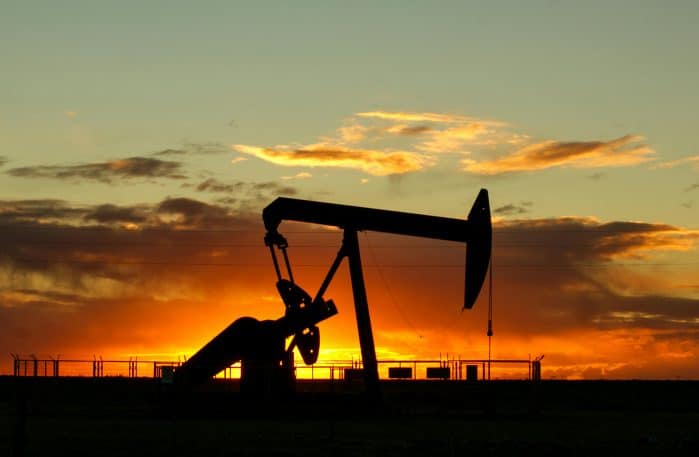
The recent drop in oil prices is providing much-needed relief to global inflationary pressures. This shift in energy costs is stabilizing economic conditions, creating a strategic opening for central banks to reconsider their current interest rate policies.
As inflation fears subside, the market is responding with renewed vigor, boosting both shares and bonds. This deflationary tailwind is expected to enhance market liquidity and drive a broader recovery across various asset classes as macroeconomic stability improves.
This is a summarized and adapted version by Artificial Intelligence. To read the complete original story, visit the official source.
Read Full Article at Crypto BriefingSupport Jornal Bitcoin
Independent journalism, curated by AI, no clickbait. Keep the flame alive with any amount of BTC.
jonata@walletofsatoshi.comDaily Crypto Brief 📬
Subscribe to receive the curation of the most important Bitcoin and crypto news, summarized by AI. No spam.
Join more than 10,000 smart readers.
Related News

Geopolitical Chaos: US-Iran Ceasefire Collapse Sends Australian Gasoline Prices Skyrocketing
Beyond the pump, the rising cost of fuel is expected to drive significant inflation, potentially forcing a shift in monetary policy. As geopolitical instability continues to ripple through global supply chains, the economic consequences for Australia and the broader financial landscape remain highly uncertain.

CATL Stock Surges: Buyback Plan and Massive Earnings Signal Global Battery Dominance
Beyond the tech sector, CATL's market dominance acts as a catalyst for global commodity price shifts, creating ripple effects across inflation rates and interest rate projections. For those tracking risk asset valuations, the company's trajectory is a vital indicator of broader macroeconomic stability and supply chain health.

Singapore tightens exchange-rate policy as energy-driven inflation rises — and global liquidity could feel it
This policy shift can ripple through liquidity and broader financial conditions beyond Singapore. For crypto and risk markets, the key takeaway is the inflation-growth trade-off: tightening to curb rising prices can still reshape funding, market liquidity, and the appetite for risk assets in a more interconnected global environment.

Peter Schiff Warns: Japan’s Bond Crisis Could Be the Pin That Pops the US Bubble
In addition to the Japanese bond volatility, Schiff points to the recent cracks in the artificial intelligence stock trade as a sign of overheating in the tech sector. He suggests that the convergence of a weakening AI rally and Japanese market instability creates a high-risk environment for US-based indexes and global capital.
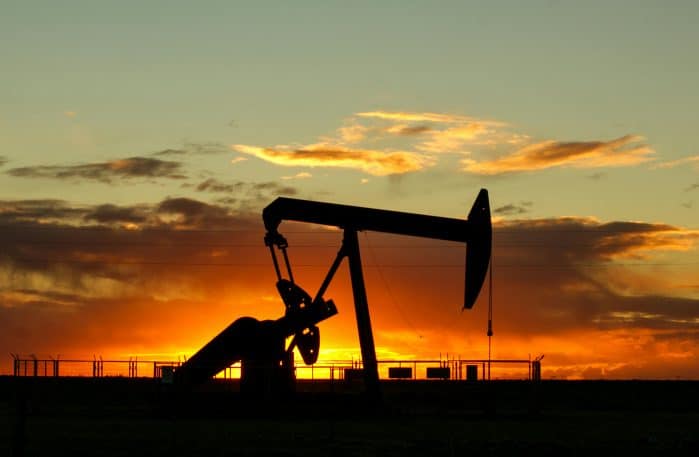
Oil Prices Plummet: US-Iran Ceasefire Eases Global Supply Fears
However, the long-term outlook remains cautious as geopolitical tensions continue to loom over the energy sector. While the immediate impact of the US-Iran ceasefire eases supply disruption concerns, any resurgence in conflict could rapidly destabilize future supply dynamics and trigger new price spikes.
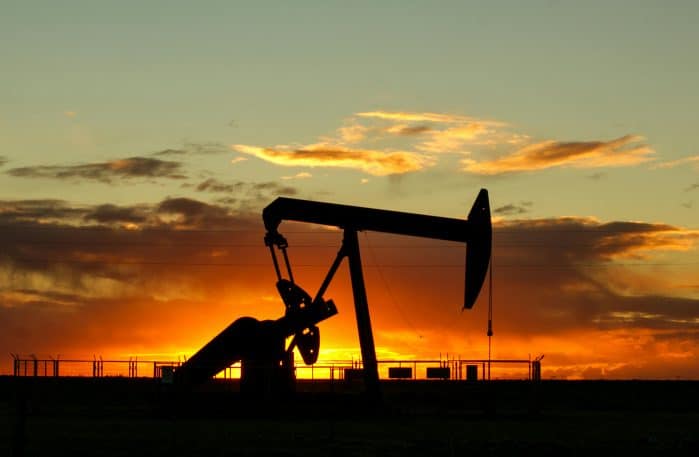
Gasoline Price Surge: Iran Conflict Disrupts Middle East Shipping and Threatens Global Economy
Beyond the immediate pump prices, the disruption of maritime trade routes poses a significant threat to global economic equilibrium. As energy costs climb, the risk of renewed inflationary pressure intensifies, forcing a reevaluation of economic stability in an increasingly uncertain geopolitical landscape.
