QTS Realty Trust launches $3.9B bond sale for Microsoft data center amid AI boom

QTS Realty Trust has launched a massive $3.9 billion bond sale to fund the construction of a new Microsoft data center in Georgia, with the deal being oversubscribed, highlighting strong investor confidence in AI infrastructure development. This massive financial transaction positions data centers as critical assets in the digital era, reflecting the global race for computing resources needed to power the next generation of artificial intelligence applications and large-scale data processing.
This is a summarized and adapted version by Artificial Intelligence. To read the complete original story, visit the official source.
Read Full Article at Crypto BriefingSupport Jornal Bitcoin
Independent journalism, curated by AI, no clickbait. Keep the flame alive with any amount of BTC.
jonata@walletofsatoshi.comDaily Crypto Brief 📬
Subscribe to receive the curation of the most important Bitcoin and crypto news, summarized by AI. No spam.
Join more than 10,000 smart readers.
Related News
Bitcoin Rally Sparks Debate: Is Clarity Act Already Priced In?
Former CrowdStrike CTO Launches $170M AI-Cybersecurity Fund Amid Industry Shift
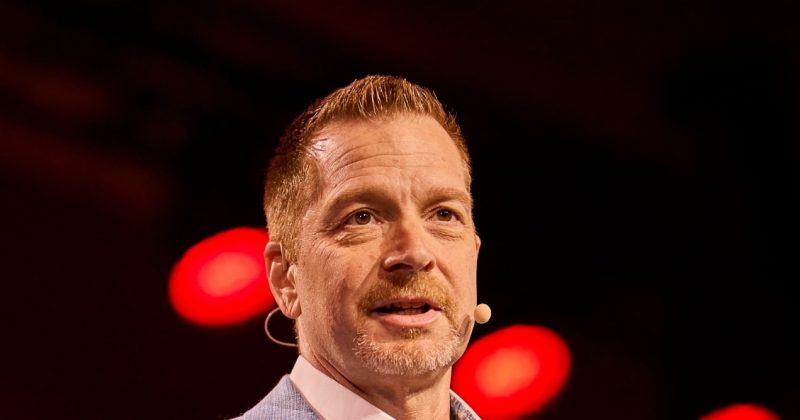
Zaitsev's new fund highlights the accelerating trend toward AI-driven cybersecurity investments, reflecting how the industry is evolving to combat increasingly sophisticated digital threats. With CrowdStrike being a leader in the cybersecurity space, the departure of its top technology executive to spearhead this venture emphasizes the critical importance of AI in protecting global digital infrastructure against modern cyber challenges.

Callosum Technologies' Chip Combo Could Revolutionize AI Workloads
Bitdeer secures $400M five-year deal for AI cloud facility in Malaysia

Nvidia's Data Centers Exceed Power Promises, Sparking AI Energy Crisis Fears
The exponential rise in energy demand from AI data centers presents an unprecedented challenge to power grids, compelling companies and governments to rethink infrastructure development strategies and energy policies. As the race for AI leadership intensifies, energy consumption has emerged as a critical factor that could determine the economic and sustainable viability of artificial intelligence's future.