Four Years After FTX, Crypto Exchanges Still Show Proof of Reserves Without Proving Solvency

Four years after the FTX collapse, major cryptocurrency exchanges continue to provide proof of reserves to customers without actually demonstrating solvency. These technically sound verifications, typically involving Merkle trees and balance confirmations, create a false sense of security for users, reminding us of the vulnerabilities that led to the biggest bankruptcy in crypto history.
The current landscape reveals a critical transparency gap in the crypto ecosystem, where proof of reserves functions as a marketing tool rather than a genuine financial health guarantee. Investors and users must understand that a simple confirmation of inclusion in a dataset doesn't protect against insolvency risks, repeating the mistakes that cost the market billions of dollars and undermined trust in the cryptocurrency sector.
A customer opens an exchange account, copies a string of numbers and follows a path through a Merkle tree. The page processes the request and returns a reassuring result: the customer's balance was included in the exchange's proof of reserves. The verification is most likely technically sound, establishing that the account appeared in a dataset, but this doesn't prove that the exchange has sufficient assets to cover all its liabilities. Four years after the FTX collapse, which exposed the dangerous practice of using customer funds for speculative bets, the industry still hasn't solved the fundamental problem of financial transparency. Proof of reserves, while useful as a first layer of verification, doesn't replace the need for complete independent audits and detailed solvency statements. Investors should remain vigilant and push for stricter transparency standards in the cryptocurrency market.
This is a summarized and adapted version by Artificial Intelligence. To read the complete original story, visit the official source.
Read Full Article at CryptoSlateSupport Jornal Bitcoin
Independent journalism, curated by AI, no clickbait. Keep the flame alive with any amount of BTC.
jonata@walletofsatoshi.comDaily Crypto Brief 📬
Subscribe to receive the curation of the most important Bitcoin and crypto news, summarized by AI. No spam.
Join more than 10,000 smart readers.
Related News

Oman optimistic on Hormuz talks, Iran warns deal may not reopen strait
CLARITY Act Set for September 15 Senate Vote as Thune Forces the Issue
Thune's push for the bill indicates a growing recognition of the need for clear regulatory frameworks in the crypto industry, with potential profound impacts on exchanges, stablecoins, and blockchain projects across the United States. The September vote will be closely watched by investors, developers, and crypto companies worldwide as it will establish important precedents for global digital governance.
BlackRock's IBIT Crushes Competition: Captures 81% of $853M Bitcoin ETF Inflows
The concentration of capital in a single product reflects a strategic shift among institutional investors, who now view Bitcoin ETFs as a regulated and secure gateway to Bitcoin exposure. This capital flow trend not only drives Bitcoin's price but also accelerates mainstream adoption, potentially stabilizing the volatile crypto market and paving the way for future regulatory approvals.
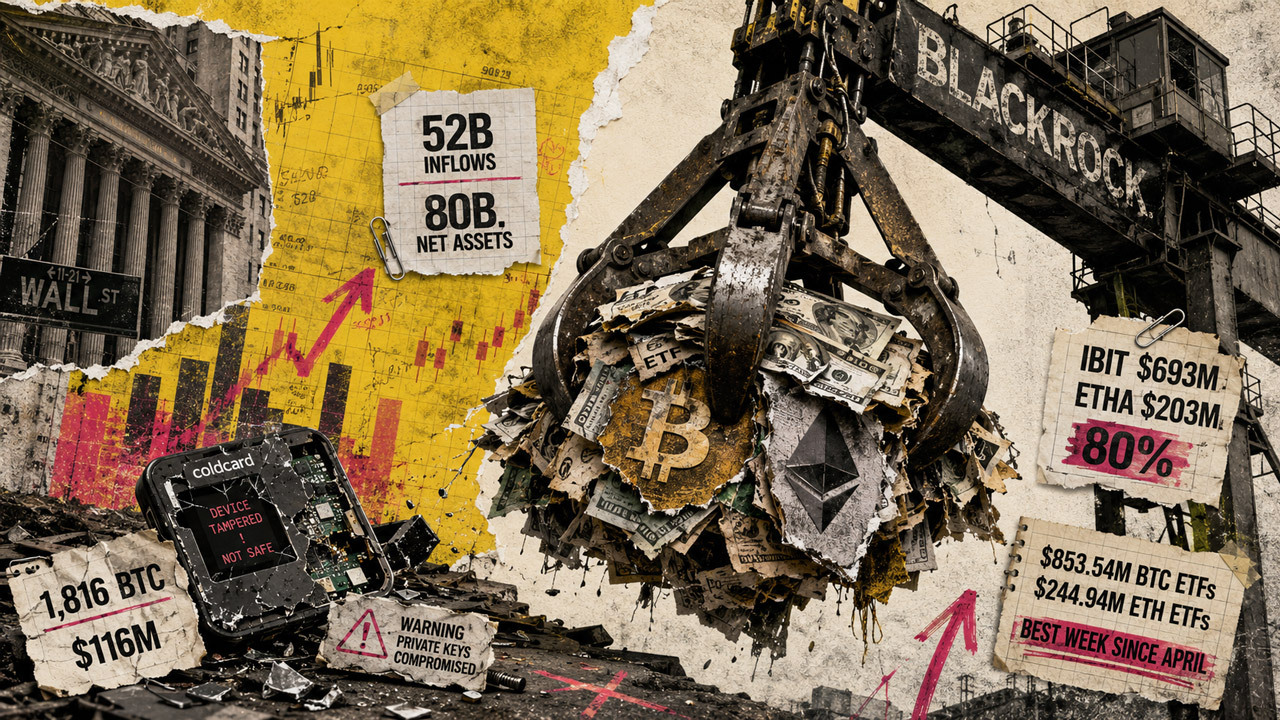
Bitcoin and Ethereum ETFs Surge Past $1B in Best Week Since April as BlackRock Dominates with 80% of Inflows

UAE Oil Production Surges to Record 4.1M Barrels Daily After OPEC Exit
The UAE's decision to increase production beyond OPEC quotas could lead to global oversupply, exerting downward pressure on future oil prices. This energy dynamic could directly impact cryptocurrency markets, which are traditionally correlated with oil prices, and influence investment strategies in digital assets. Analysts are closely monitoring how this shift in global energy geopolitics will affect the stability of global financial markets, especially in a scenario of energy transition and growing adoption of cryptocurrencies as alternative value stores.