Programmable Money Revolution: How USDC is Disrupting Enterprise Payment Workflows
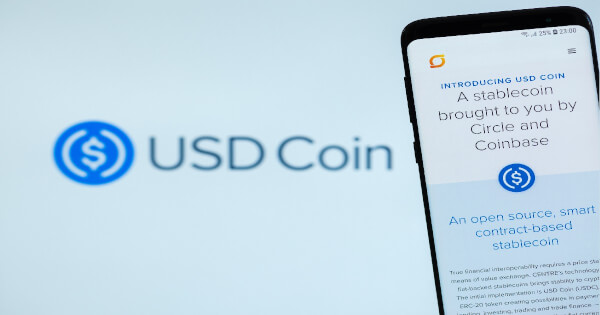
The financial landscape is shifting from static assets to intelligent code. By leveraging USDC as programmable money, enterprises are now able to automate complex workflows and achieve near-instant settlements, bypassing the friction of legacy banking systems.
This shift toward programmable liquidity is more than just a technical upgrade; it is a fundamental change in how global capital moves. The integration of stablecoins into corporate treasury operations promises to slash transaction costs and provide the scalable infrastructure required for the future of decentralized finance in the enterprise sector.
Explore how USDC is transforming enterprise payments with programmable money, enabling automated workflows, faster settlements, and lower costs. The ability to embed logic directly into the payment layer allows businesses to streamline operations and optimize liquidity management like never before.
This is a summarized and adapted version by Artificial Intelligence. To read the complete original story, visit the official source.
Read Full Article at Blockchain.newsSupport Jornal Bitcoin
Independent journalism, curated by AI, no clickbait. Keep the flame alive with any amount of BTC.
jonata@walletofsatoshi.comDaily Crypto Brief 📬
Subscribe to receive the curation of the most important Bitcoin and crypto news, summarized by AI. No spam.
Join more than 10,000 smart readers.
Related News
Stablecoin Shakeup: Circle’s USDC Outpaces Tether in Volume, Visa Data Reveals
The momentum is being driven by Wall Street banks integrating digital currencies to streamline settlement processes. With overall trading volume skyrocketing by 63% in just one month, the convergence of traditional finance and blockchain technology is accelerating at an unprecedented pace.
Trump declares himself a 'big fan of crypto', signaling Bitcoin integration for Trump Accounts
This pivot is expected to have profound implications for market sentiment and regulatory clarity in the United States. By aligning his personal brand with the crypto ecosystem, Trump is positioning Bitcoin as a legitimate pillar of future savings vehicles, potentially triggering a wave of institutional interest and political support for blockchain technology.

Celo Goes Global: New Regional Ambassadors to Drive Mass Adoption in Emerging Markets
By leveraging local leadership and expanding its Mini Apps ecosystem, Celo is positioning itself as a leader in practical decentralized finance. This move signals a shift from speculative trading toward meaningful, utility-driven blockchain integration on a global scale.

Ethereum Revolution: Vitalik Buterin Reveals Plan for Biggest Upgrade Since The Merge
This strategic overhaul prioritizes the implementation of quantum security and advanced privacy features to protect the protocol against emerging technological threats. The impact of this massive upgrade is expected to redefine the standards for scalability and security across the entire crypto industry.

Crypto Meets Gaming: Esports World Cup 2026 Targets Crypto Sponsors as BBL Esports Climbs
As BBL Esports makes significant strides in the $75M tournament, the industry is witnessing a massive influx of institutional interest. The inclusion of crypto sponsors is expected to drive unprecedented engagement, bridging the gap between high-stakes esports and the decentralized finance revolution.
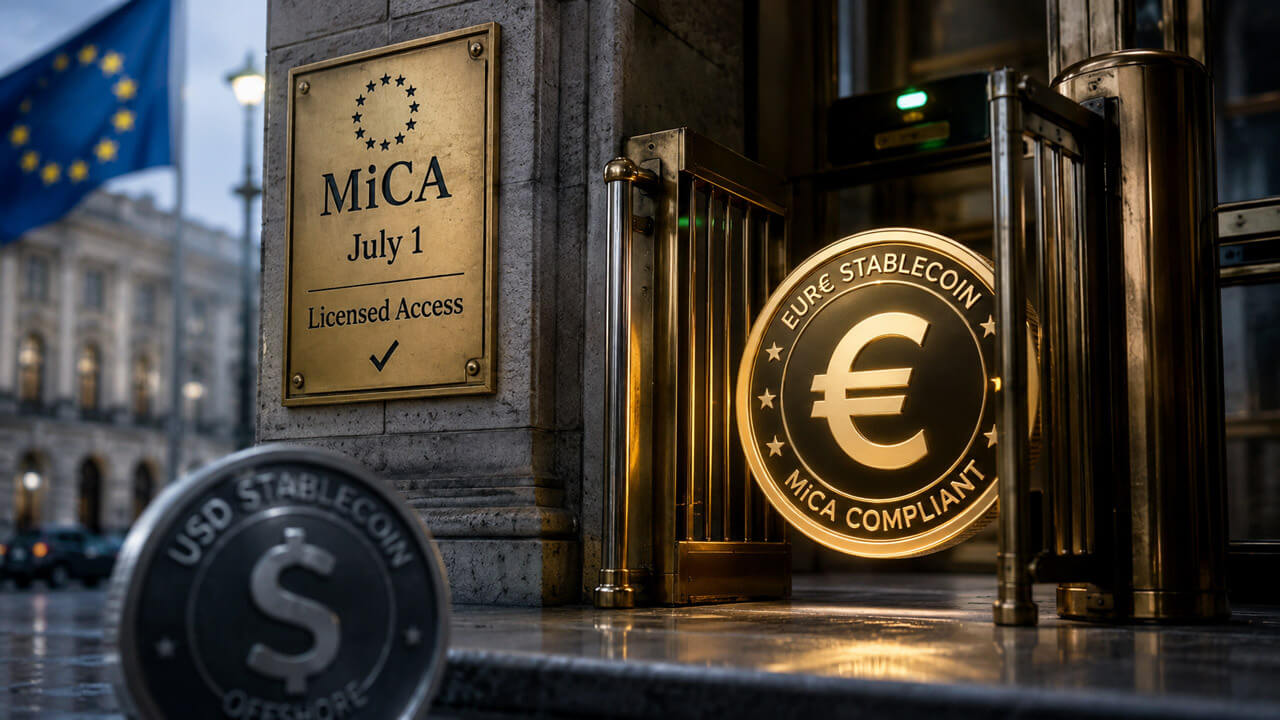
The MiCA Shift: How Banks are Seizing Control of Europe’s Stablecoin Infrastructure
This regulatory evolution brings major banks closer to dominating the stablecoin landscape, potentially centralizing the infrastructure used by everyday consumers. The consequences for decentralized finance (DeFi) and user autonomy remain a critical point of debate as the EU sets the global standard for crypto compliance.
