No Bailout: Fed Chair Signals No Safety Net for Stablecoins During Crisis
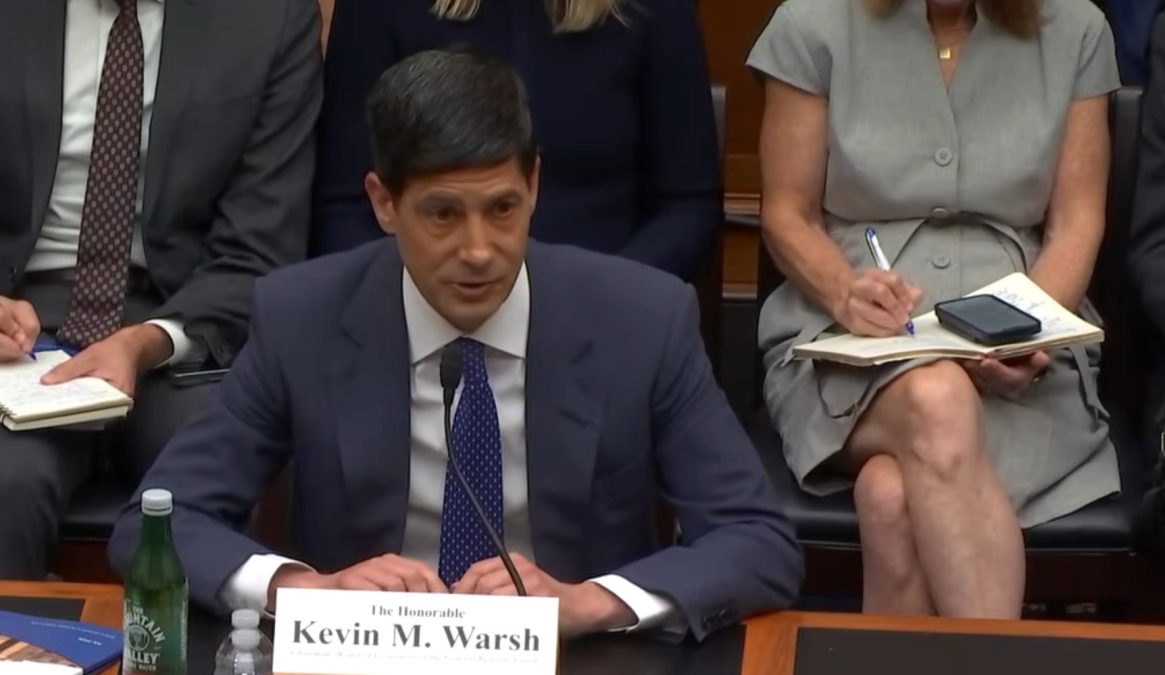
During a high-stakes hearing at the U.S. House of Representatives, Fed Chair Kevin Warsh delivered a decisive message regarding the future of digital assets: there will be no government bailout for the stablecoin sector in the event of a financial meltdown. This stance underscores a shift toward strict market discipline, leaving stablecoin issuers to manage their own liquidity risks without a central bank backstop.
The implications for the crypto market are profound, as this policy forces a higher standard of collateralization and transparency to prevent contagion. While Warsh remains a vocal proponent of Bitcoin, describing it as an 'important asset,' his refusal to protect stablecoins creates a bifurcated regulatory landscape where Bitcoin's value is recognized, but its secondary stablecoin infrastructure remains exposed to market volatility.
Federal Reserve Chair Kevin Warsh issued a stark warning to the digital asset industry during a U.S. House of Representatives hearing this Tuesday (14). When questioned about the possibility of a financial bailout for the stablecoin sector during a potential systemic crisis, Warsh indicated that the Fed does not intend to intervene to save these assets.
This declaration places significant pressure on stablecoin infrastructure, which must now operate under the principle that risk is entirely private. Despite this rigorous stance on stablecoins, Warsh has not dismissed the broader crypto ecosystem, having previously defended Bitcoin as an 'important asset' in the evolving financial landscape.
This is a summarized and adapted version by Artificial Intelligence. To read the complete original story, visit the official source.
Read Full Article at LivecoinsSupport Jornal Bitcoin
Independent journalism, curated by AI, no clickbait. Keep the flame alive with any amount of BTC.
jonata@walletofsatoshi.comDaily Crypto Brief 📬
Subscribe to receive the curation of the most important Bitcoin and crypto news, summarized by AI. No spam.
Join more than 10,000 smart readers.
Related News

Bitcoin Eyes $65,000 as US Inflation Cools, But Is the Rally Fading?
Despite the bullish momentum, market experts warn that this relief may already be fading. As Bitcoin nears critical resistance levels, investors are closely monitoring whether this macro-economic shift can sustain the current upward trend or if a correction is imminent due to shifting economic signals.
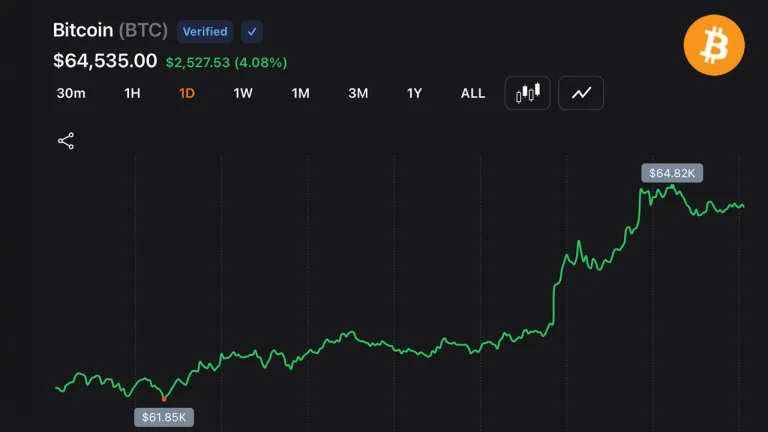
Bitcoin Bulls Defy Middle East Turmoil: BTC Races Toward $65,000 as Short Squeeze Ignites
The sudden price action was largely driven by a collapse in short positions, triggering a squeeze that propelled BTC toward its recent highs. Even as geopolitical tensions escalate due to strikes in the Middle East, the market's ability to stabilize around $64,500 suggests a robust underlying demand for Bitcoin.

Binance Empire: Giant Celebrates 9 Years with 323 Million Users and Expansion Beyond Crypto
As the company looks toward the future, it is pivoting its strategy to expand far beyond traditional cryptocurrency trading. Representing roughly 43% of the world's estimated 741 million crypto owners, Binance is positioning itself as a diversified financial powerhouse.
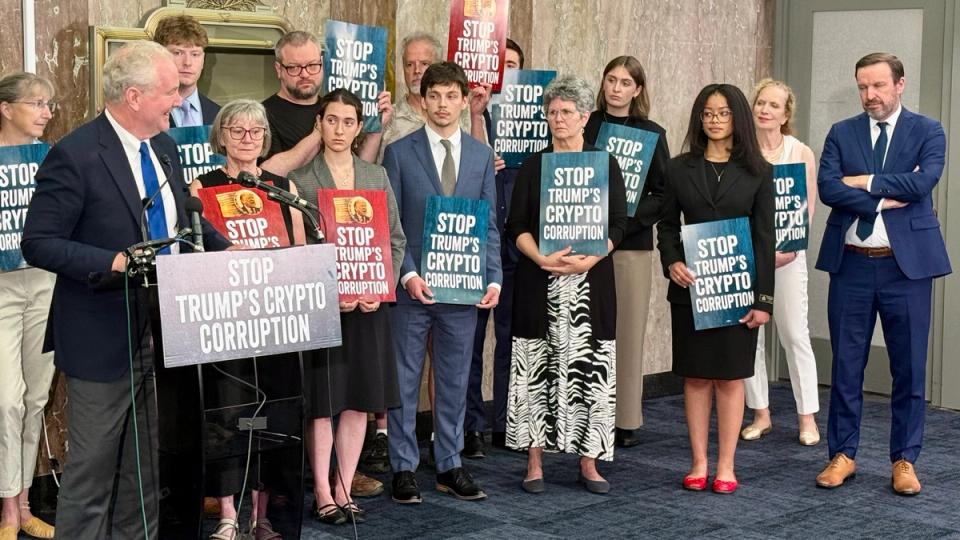
Senate Chaos: Democrats Label 'Clarity Act' as Corrupt, Threatening Crypto Regulation
This internal opposition creates significant uncertainty for the crypto market, as the bill's success hinges on securing a substantial number of Democratic votes. Failure to pass this framework could leave the digital asset industry in a regulatory vacuum, potentially stifling institutional adoption and market stability.

Bitcoin Treasury Crisis: Collateral Calls Hit Hard as 12-Hour Liquidation Window Looms
This instability is compounded by the terrifying speed of modern crypto lending, where certain loans can face liquidation in as little as 12 hours. This narrow window for response means that sudden Bitcoin price swings could trigger a rapid chain reaction of liquidations, potentially destabilizing institutional holders and the broader market.
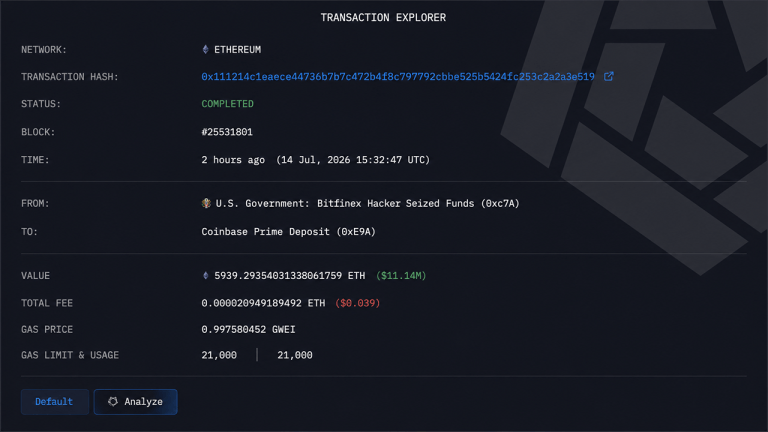
US Government Moves $12.36M in ETH and Stablecoins to Coinbase Following BTC Transfer
This pattern of transferring seized digital assets to major exchanges like Coinbase Prime suggests a strategic liquidation or restructuring phase by US authorities. As the government continues to shift large volumes of Bitcoin, Ether, and stablecoins, market participants are closely monitoring these flows for potential volatility and liquidity shifts in the broader crypto ecosystem.
