Uranium Price Holds Firm Near $90 as Supply Concerns Shake Up Market
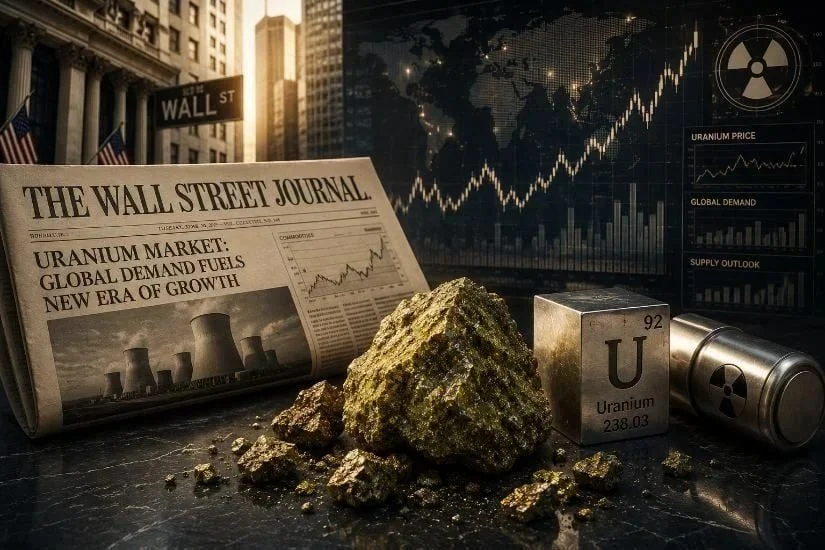
Uranium price holds firm near $90 per pound after a volatile start to 2026, as the market tightens supply and adjusts output amid growing demand for nuclear fuel. The commodity's resilience reflects fundamental shifts in the nuclear energy landscape. This price stabilization comes as nuclear power gains renewed attention in global energy portfolios, with supply chain constraints creating a new paradigm for uranium markets. The sustained price levels could trigger increased exploration and production activities, potentially reshaping the entire nuclear fuel cycle in the coming years.
This is a summarized and adapted version by Artificial Intelligence. To read the complete original story, visit the official source.
Read Full Article at Brave New CoinSupport Jornal Bitcoin
Independent journalism, curated by AI, no clickbait. Keep the flame alive with any amount of BTC.
jonata@walletofsatoshi.comDaily Crypto Brief 📬
Subscribe to receive the curation of the most important Bitcoin and crypto news, summarized by AI. No spam.
Join more than 10,000 smart readers.
Related News

Tanker Hit by Unknown Projectile Near Oman, Raises Strait of Hormuz Security Risks
The Strait of Hormuz handles approximately 20% of the world's consumed oil, making any disruption in the region a major geopolitical and economic event. This attack comes amid rising tensions in the area and could lead to volatile increases in oil prices, directly impacting cryptocurrency markets like Bitcoin, which is often viewed as a hedge against inflation.
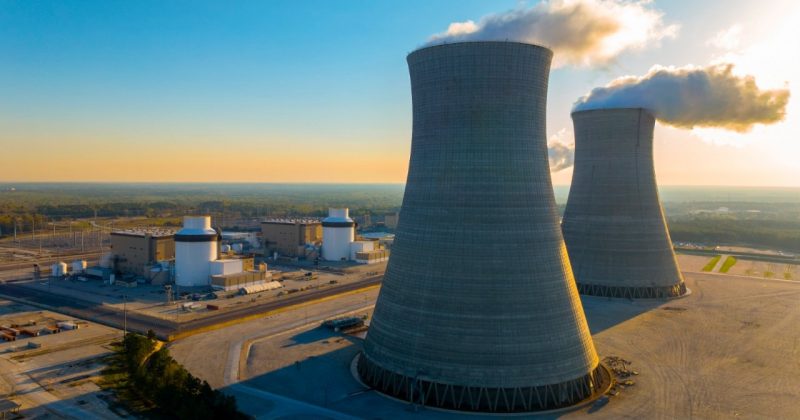
Nuclea Energy pulls $50M IPO amid nuclear market uncertainty
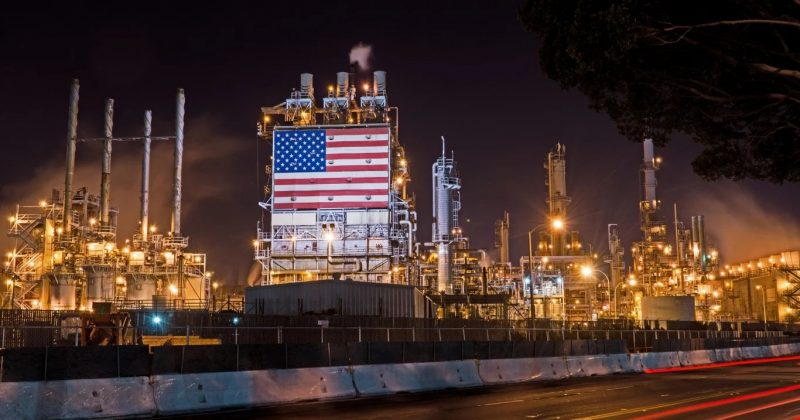
Chevron and Exxon Earnings Soar as Trump Threatens Price Interventions
The possibility of government intervention in oil prices represents a turning point for the energy sector, which has benefited from minimal regulatory oversight. Analysts warn that any price control measures could not only affect future profitability of oil companies but also trigger a ripple effect across global commodity markets, with potential consequences for inflation and worldwide economic stability.
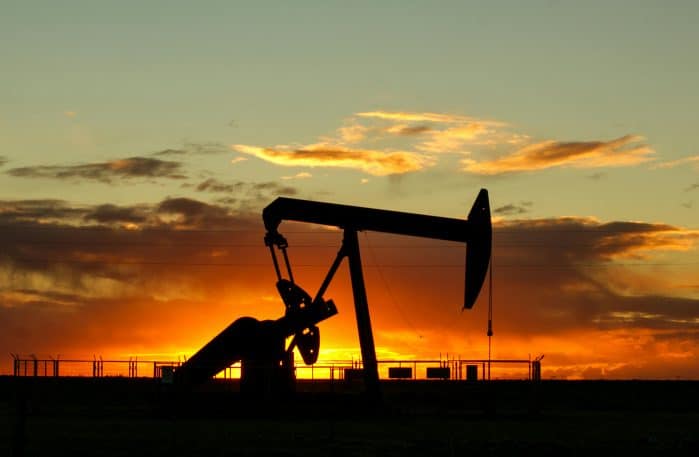
China Raises Gasoline & Diesel Price Caps as Middle East Conflict Rocks Global Markets
China's increase in maximum price limits is not merely a domestic measure but a clear signal of how regional tensions can rapidly transcend borders, impacting global supply chains and investment strategies. With the Middle East as an epicenter of instability, Beijing's decision demonstrates the complex interplay between geopolitics, energy, and finance, forcing analysts and investors to reassess their projections for commodity markets and global economic stability.

RWA Perpetual Futures Volume Nearly Matches Bitcoin's on Major Exchanges

DeFi Oil Trading Explodes as Iran War Disruptions Force Traders to Decentralized Platforms
The surge in DeFi-based oil transactions underscores the growing maturity of decentralized finance beyond cryptocurrencies, positioning it as a viable alternative for traditional commodity trading. While this development signals a potential revolution in global market infrastructure, regulatory uncertainties continue to cast a shadow over the long-term viability of this emerging asset class.
